
Qatar Signals Progress in US-Iran War Talks
Qatar's foreign ministry said mediators including Qatar, Pakistan, and Oman have reached "very progressive stages" in efforts to end the US-Iran war, pushing Brent crude down more than four percent.
Key Takeaways
May 2, 2026 · 2 min read · By Rishabh Bhardwaj
·
AI-assisted, human-reviewed · Our editorial standards
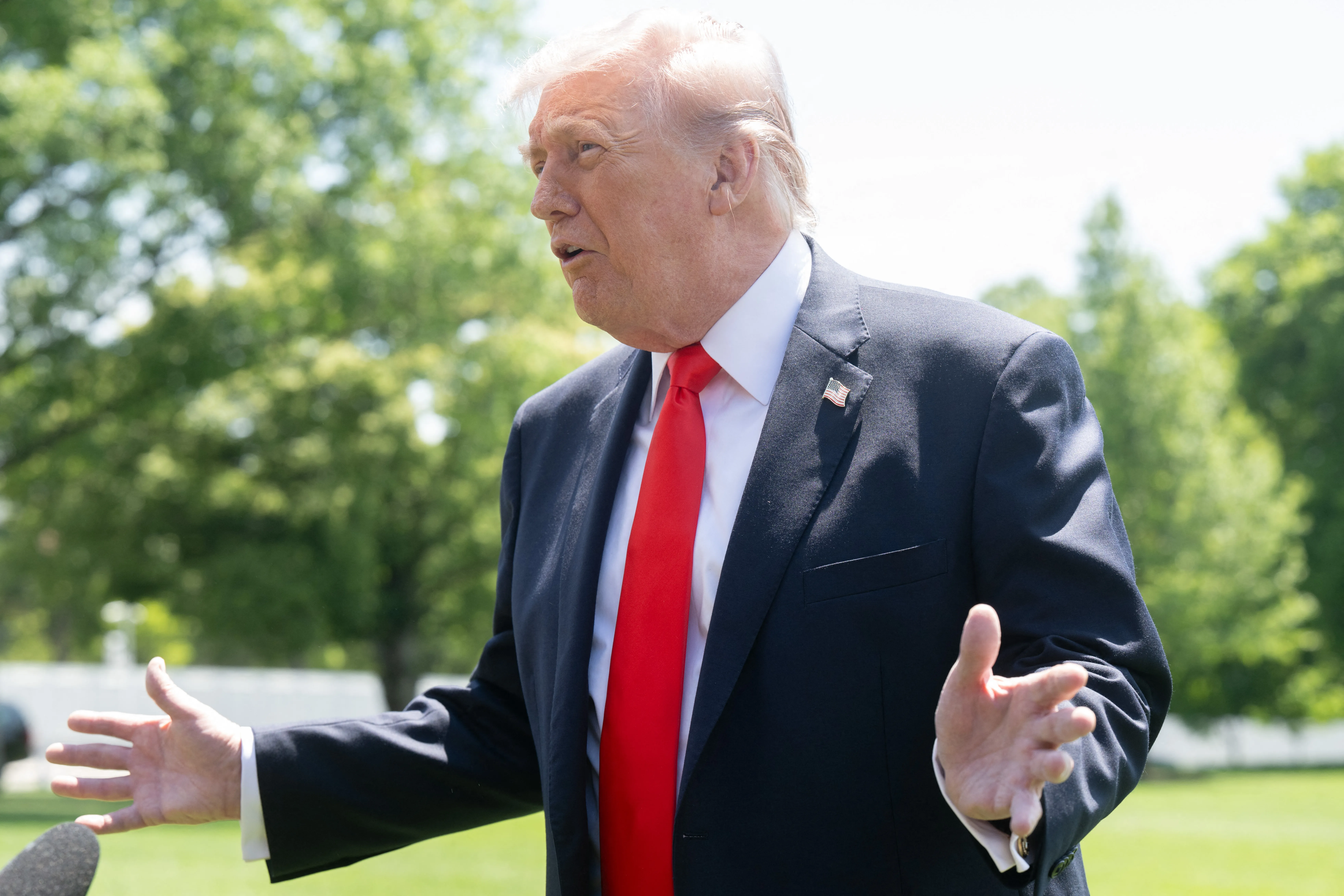
US President Donald Trump said he is not satisfied with Iran's latest peace proposal, and indicated he is considering a military option against the country.
Trump's language was direct and stark. He said he was considering the option to "blast the hell out of" Iran, signaling that military force remains on the table as negotiations over Iran's nuclear program show signs of strain.
The remarks mark a significant escalation in tone from Washington. While the US and Iran have held indirect talks in recent months aimed at limiting Iran's nuclear activities in exchange for sanctions relief, Trump's comments suggest those discussions are not producing results he finds acceptable.
Iran's nuclear program has long been a flashpoint in Middle East geopolitics. Western governments, led by the US, argue Iran is advancing uranium enrichment toward weapons-grade levels. Iran maintains its program is for civilian energy purposes. Any military strike on Iranian nuclear facilities would carry significant risks: regional escalation, potential Iranian retaliation through proxy forces across the Middle East, and sharp disruption to global oil markets, through which a large share of the world's crude passes via the Strait of Hormuz.
Oil prices are sensitive to any credible threat of military conflict in the Gulf region. A strike scenario, or even sustained uncertainty, could push energy prices higher, a transmission that ripples into inflation and shipping costs globally, including in Asia and India, which are major buyers of Gulf crude.
Trump's statement is a political signal as much as a policy declaration. Whether it leads to concrete military planning or is intended to pressure Iran back to the negotiating table is unclear from his remarks alone. The next indicators to watch are: Iran's formal response, any movement in back-channel diplomacy, and whether the US deploys additional military assets to the region. Markets will likely remain on edge if the rhetoric continues to harden without a diplomatic off-ramp emerging.
Qatar's foreign ministry said mediators including Qatar, Pakistan, and Oman have reached "very progressive stages" in efforts to end the US-Iran war, pushing Brent crude down more than four percent.
Qatar confirmed it is mediating between the US and Iran but said no direct talks are currently planned. The clarification follows conflicting statements from President Trump, who claimed talks are under way, and Tehran, which denied any dialogue is happening.
Saudi Aramco reported sharply higher second-quarter 2026 profits as the Iran war restricts global oil supply and pushes crude prices up. Other oil supermajors also posted outsized earnings, raising concerns about sustained fuel cost pressure for importing economies.
President Trump called current Iran negotiations the "last chance" to end five months of conflict, pushing oil prices higher. Tehran denied formal talks are taking place, raising the risk of a diplomatic breakdown with direct consequences for global energy markets.