
Qatar Signals Progress in US-Iran War Talks
Qatar's foreign ministry said mediators including Qatar, Pakistan, and Oman have reached "very progressive stages" in efforts to end the US-Iran war, pushing Brent crude down more than four percent.
Key Takeaways
May 11, 2026 · 2 min read · By Rishabh Bhardwaj
·
AI-assisted, human-reviewed · Our editorial standards
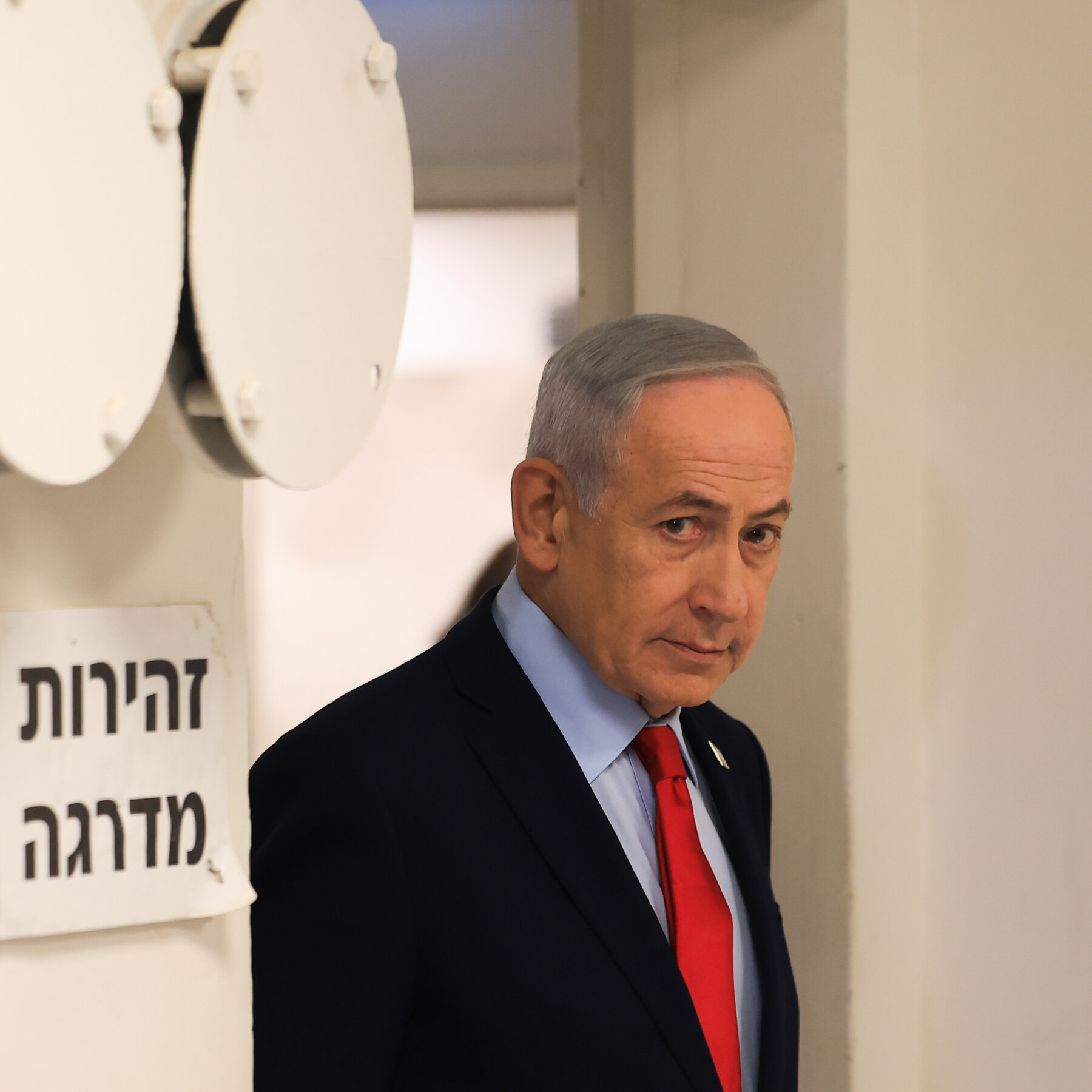
Just days after the Trump administration signaled that its military campaign against Iran had run its course, President Donald Trump and Israeli Prime Minister Benjamin Netanyahu both declined in Sunday interviews to rule out renewed combat. The walkback, or at least the ambiguity, marks a significant shift in tone from last week's messaging.
The administration had previously suggested the campaign was effectively over, a framing that shaped market expectations and diplomatic signals across the region. But neither leader was willing to close the door on further military action when pressed directly.
Trump and Netanyahu spoke publicly in separate Sunday interviews and each declined to confirm that the conflict is finished. That matters because the prior week's statements had broadly been interpreted as an off-ramp, a signal to allies, adversaries, and financial markets that active hostilities were winding down.
By refusing to echo that framing, both leaders have reintroduced uncertainty around the conflict's trajectory. Whether this reflects a deliberate strategic posture, keeping Iran guessing, or a genuine recalibration of intent is not clear from their remarks.
Open-ended conflict signaling between two major military actors and Iran carries immediate consequences. Oil markets are sensitive to any hint of escalation in the region, particularly around the Strait of Hormuz, through which a significant share of global crude passes. Any renewed military exchange could tighten supply expectations quickly.
For U.S. allies and Gulf states, the uncertainty complicates diplomatic planning. Countries that were beginning to position around a post-hostilities framework now face an unclear timeline. Iran, for its part, must weigh whether the ambiguity is a negotiating tactic or a genuine threat of resumed strikes.
The disconnect between last week's messaging and Sunday's interviews also raises questions about internal alignment within the Trump administration on Iran strategy. No official clarification had been issued as of the interviews.
Watch for follow-up statements from the White House or Israeli government, any movement in oil prices tied to the renewed uncertainty, and whether Iran responds to the ambiguity through diplomatic or military channels.
Qatar's foreign ministry said mediators including Qatar, Pakistan, and Oman have reached "very progressive stages" in efforts to end the US-Iran war, pushing Brent crude down more than four percent.
Qatar confirmed it is mediating between the US and Iran but said no direct talks are currently planned. The clarification follows conflicting statements from President Trump, who claimed talks are under way, and Tehran, which denied any dialogue is happening.
Saudi Aramco reported sharply higher second-quarter 2026 profits as the Iran war restricts global oil supply and pushes crude prices up. Other oil supermajors also posted outsized earnings, raising concerns about sustained fuel cost pressure for importing economies.
President Trump called current Iran negotiations the "last chance" to end five months of conflict, pushing oil prices higher. Tehran denied formal talks are taking place, raising the risk of a diplomatic breakdown with direct consequences for global energy markets.