
Qatar Signals Progress in US-Iran War Talks
Qatar's foreign ministry said mediators including Qatar, Pakistan, and Oman have reached "very progressive stages" in efforts to end the US-Iran war, pushing Brent crude down more than four percent.
Key Takeaways
June 15, 2026 · 3 min read · By Rishabh Bhardwaj
·
AI-assisted, human-reviewed · Our editorial standards
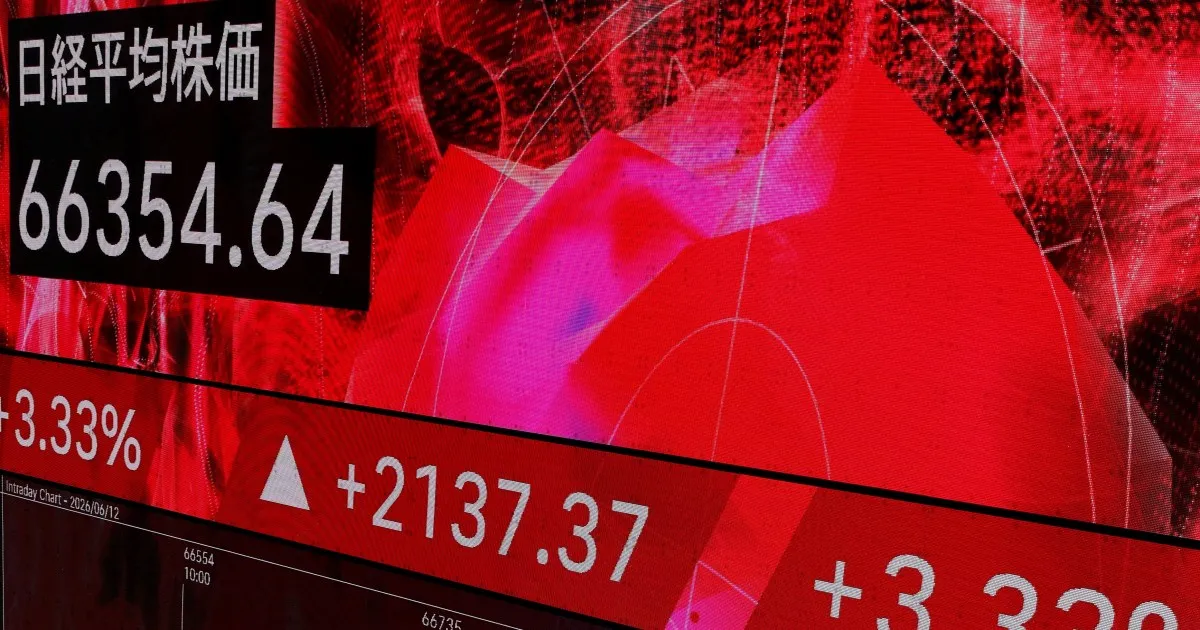
Asian stock markets surged and oil prices dropped sharply after Washington and Tehran announced a deal to end hostilities and reopen the Strait of Hormuz, one of the world's most critical shipping corridors for crude oil.
The agreement, confirmed by both the United States and Iran, marks a significant de-escalation of tensions that had rattled global markets and pushed energy prices higher. The Strait of Hormuz carries roughly one-fifth of the world's oil supply, so any agreement to keep it open has an immediate and measurable effect on energy prices and investor confidence.
Stock markets react quickly to geopolitical risk on or off. When a major conflict zone closes, investors price in higher oil costs, slower trade, and tighter financial conditions. The reverse happens just as fast. With the strait reopening, traders unwound those hedges, pushing equities up and crude prices down in the same session.
Asian markets led the initial rally because they trade first after weekend developments and because Asia is among the largest consumers of Middle Eastern oil. Lower oil prices directly reduce energy import bills for countries like Japan, South Korea, India, and China, improving their trade balances and easing pressure on central banks that had been watching inflation carefully.
For India in particular, the news is significant. India imports roughly 85 percent of its crude oil, and a sustained drop in oil prices reduces the fuel subsidy burden on government finances, eases retail inflation, and strengthens the rupee by narrowing the current account deficit. Lower crude also cuts input costs across manufacturing, transport, and chemicals sectors.
Reopening the Strait of Hormuz does more than lower energy prices. It removes a choke point that had been threatening global shipping schedules, cargo insurance rates, and supply chains dependent on Gulf exports. Container lines and tanker operators that had been rerouting or pricing in conflict premiums will now recalibrate, which could lower freight costs over coming weeks.
The deal also shifts the risk calculus for credit markets. Sovereign bonds from Gulf states had been pricing in elevated conflict risk. A confirmed ceasefire removes a near-term default or instability premium from those instruments, which could attract capital back into the region.
For equities, the rally reflects two things at once: lower energy costs improving corporate margins, and reduced geopolitical uncertainty making investors willing to pay more for the same earnings. Both effects tend to be front-loaded, meaning much of the gain can arrive in the first trading sessions and then stabilise as markets reassess whether the deal holds.
The durability of the agreement is the key question. Markets are pricing in a sustained peace, but the speed of the rally also means any sign of breakdown would trigger a sharp reversal. Investors will watch for formal treaty language, verification mechanisms, and whether Iranian oil exports are permitted to increase, which would add further downward pressure on crude prices.
On the policy side, a reopened strait reduces the urgency for strategic petroleum reserve releases by major consuming nations, and it lowers the case for emergency rate action by central banks managing energy-driven inflation. That gives policymakers more room to focus on domestic economic conditions rather than external supply shocks.
The next clear signals will come from official statements by both governments on the specific terms, any involvement by international bodies in monitoring the agreement, and the direction of oil futures in the sessions ahead. Until those details are public, markets are trading on the headline and the relief it brings.
Qatar's foreign ministry said mediators including Qatar, Pakistan, and Oman have reached "very progressive stages" in efforts to end the US-Iran war, pushing Brent crude down more than four percent.
Qatar confirmed it is mediating between the US and Iran but said no direct talks are currently planned. The clarification follows conflicting statements from President Trump, who claimed talks are under way, and Tehran, which denied any dialogue is happening.
Saudi Aramco reported sharply higher second-quarter 2026 profits as the Iran war restricts global oil supply and pushes crude prices up. Other oil supermajors also posted outsized earnings, raising concerns about sustained fuel cost pressure for importing economies.
President Trump called current Iran negotiations the "last chance" to end five months of conflict, pushing oil prices higher. Tehran denied formal talks are taking place, raising the risk of a diplomatic breakdown with direct consequences for global energy markets.