
Qatar Signals Progress in US-Iran War Talks
Qatar's foreign ministry said mediators including Qatar, Pakistan, and Oman have reached "very progressive stages" in efforts to end the US-Iran war, pushing Brent crude down more than four percent.
Key Takeaways
May 11, 2026 · 2 min read · By Rishabh Bhardwaj
·
AI-assisted, human-reviewed · Our editorial standards
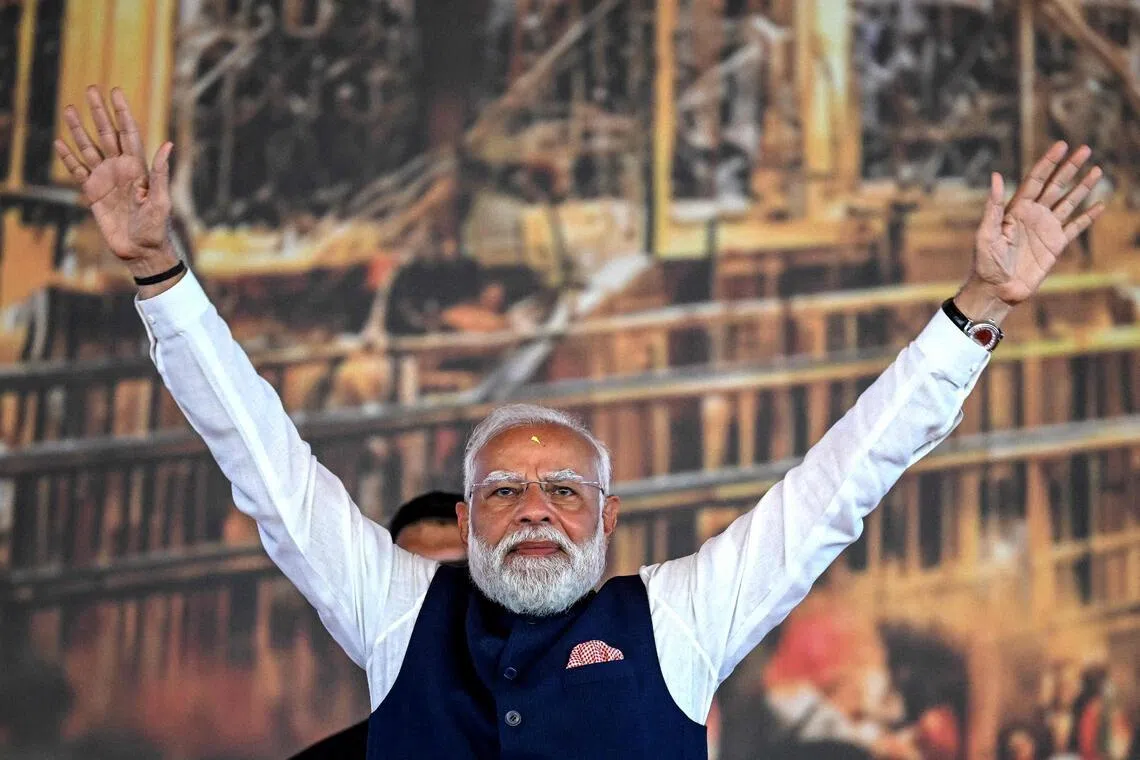
Narendra Modi's Bharatiya Janata Party is consolidating political ground across India in ways that could keep the party in power well into the next decade, as a divided opposition fails to mount a credible national challenge.
The BJP's expansion has been methodical, deepening its presence in states where it was previously weak while holding firm in its traditional strongholds. This dual strategy of geographic spread and organizational depth has left rival parties, individually strong in their home regions, unable to coordinate into a unified front at the national level.
India's opposition remains splintered across regional, caste, and ideological lines. The INDIA alliance, formed ahead of the 2024 general election, showed early signs of strain as constituent parties prioritized local interests over coalition discipline. Without a clear national face or shared policy agenda, the grouping has struggled to translate its combined vote share into durable political capital.
The 2024 general election delivered a more competitive result than many expected, the BJP lost its outright majority and had to rely on coalition partners to form the government. That outcome injected fresh energy into opposition ranks. But converting that momentum into sustained organizational strength at the state level has proved difficult.
Several structural factors favor the BJP's continued dominance. The party commands a larger full-time cadre than any rival, giving it a ground-level reach that is hard to replicate quickly. It also benefits from incumbency at the Centre, controlling the machinery of federal policy and resource allocation in ways that shape competitive dynamics in state elections.
Modi himself remains the BJP's most powerful electoral asset. His personal approval ratings have historically outrun his party's, allowing the BJP to fight elections on a leader-centric platform that blunts local anti-incumbency.
State elections over the next two to three years, across major Hindi-belt and southern states, will be the real test of whether the BJP can extend its reach or whether opposition parties can stabilize around a common platform. Investors and policy watchers tracking India's long-term regulatory and economic direction will be following these contests closely, since a durable BJP majority shapes everything from infrastructure spending priorities to foreign investment rules.
Qatar's foreign ministry said mediators including Qatar, Pakistan, and Oman have reached "very progressive stages" in efforts to end the US-Iran war, pushing Brent crude down more than four percent.
Qatar confirmed it is mediating between the US and Iran but said no direct talks are currently planned. The clarification follows conflicting statements from President Trump, who claimed talks are under way, and Tehran, which denied any dialogue is happening.
Saudi Aramco reported sharply higher second-quarter 2026 profits as the Iran war restricts global oil supply and pushes crude prices up. Other oil supermajors also posted outsized earnings, raising concerns about sustained fuel cost pressure for importing economies.
President Trump called current Iran negotiations the "last chance" to end five months of conflict, pushing oil prices higher. Tehran denied formal talks are taking place, raising the risk of a diplomatic breakdown with direct consequences for global energy markets.