
Qatar Signals Progress in US-Iran War Talks
Qatar's foreign ministry said mediators including Qatar, Pakistan, and Oman have reached "very progressive stages" in efforts to end the US-Iran war, pushing Brent crude down more than four percent.
Key Takeaways
May 9, 2026 · 2 min read · By Rishabh Bhardwaj
·
AI-assisted, human-reviewed · Our editorial standards
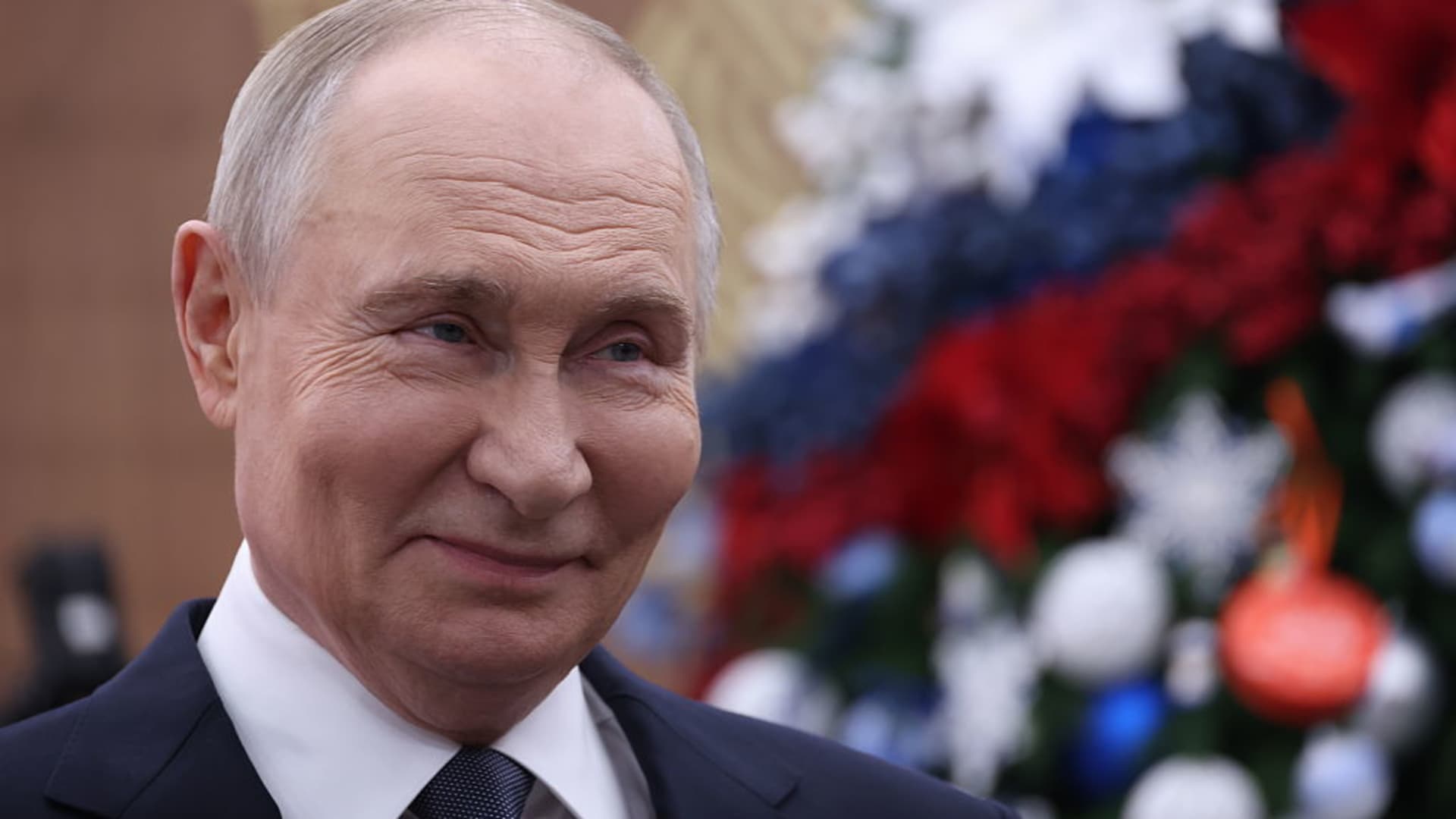
Russian President Vladimir Putin told reporters he believes the war in Ukraine is nearing its end, offering his most direct public signal yet that he sees the conflict winding down. He did not specify a timeline, conditions, or what an end would look like.
The statement was brief and unelaborated: "I think that the matter is coming to an end." Putin gave no details on ceasefire terms, territorial status, troop movements, or any diplomatic framework. It is not clear what prompted the remark or what context surrounded it beyond a press interaction.
That ambiguity matters. Putin's public statements on the war have frequently diverged from battlefield reality. Russia has made incremental territorial gains in eastern Ukraine in recent months, but the front lines have remained largely grinding and slow-moving. Neither side has achieved a decisive military breakthrough.
Even a vague signal from Putin carries weight in energy markets. Europe's gas supply situation, global oil prices, and sanctions architecture are all tied directly to the war's trajectory. Any credible move toward talks tends to shift commodity prices and defense stock valuations quickly.
Western governments and Ukraine itself have not confirmed any shift in negotiations. The United States, European Union, and NATO allies have conditioned support for any settlement on Ukraine's sovereign participation in deciding terms. Kyiv has consistently rejected deals that would formally cede occupied territory.
There are active diplomatic back-channels involving the United States and Gulf states, but no publicly confirmed framework for ending the conflict exists as of this report.
Putin's comment may reflect internal political messaging, an attempt to shape international opinion ahead of talks, or a genuine read of battlefield momentum, the source material does not allow a firmer conclusion. What to watch: whether Ukraine, the US, or European governments respond to the remark directly, and whether any formal negotiation structure emerges in the days following.
Qatar's foreign ministry said mediators including Qatar, Pakistan, and Oman have reached "very progressive stages" in efforts to end the US-Iran war, pushing Brent crude down more than four percent.
Qatar confirmed it is mediating between the US and Iran but said no direct talks are currently planned. The clarification follows conflicting statements from President Trump, who claimed talks are under way, and Tehran, which denied any dialogue is happening.
Saudi Aramco reported sharply higher second-quarter 2026 profits as the Iran war restricts global oil supply and pushes crude prices up. Other oil supermajors also posted outsized earnings, raising concerns about sustained fuel cost pressure for importing economies.
President Trump called current Iran negotiations the "last chance" to end five months of conflict, pushing oil prices higher. Tehran denied formal talks are taking place, raising the risk of a diplomatic breakdown with direct consequences for global energy markets.