
Qatar Signals Progress in US-Iran War Talks
Qatar's foreign ministry said mediators including Qatar, Pakistan, and Oman have reached "very progressive stages" in efforts to end the US-Iran war, pushing Brent crude down more than four percent.
Key Takeaways
May 11, 2026 · 2 min read · By Rishabh Bhardwaj
·
AI-assisted, human-reviewed · Our editorial standards
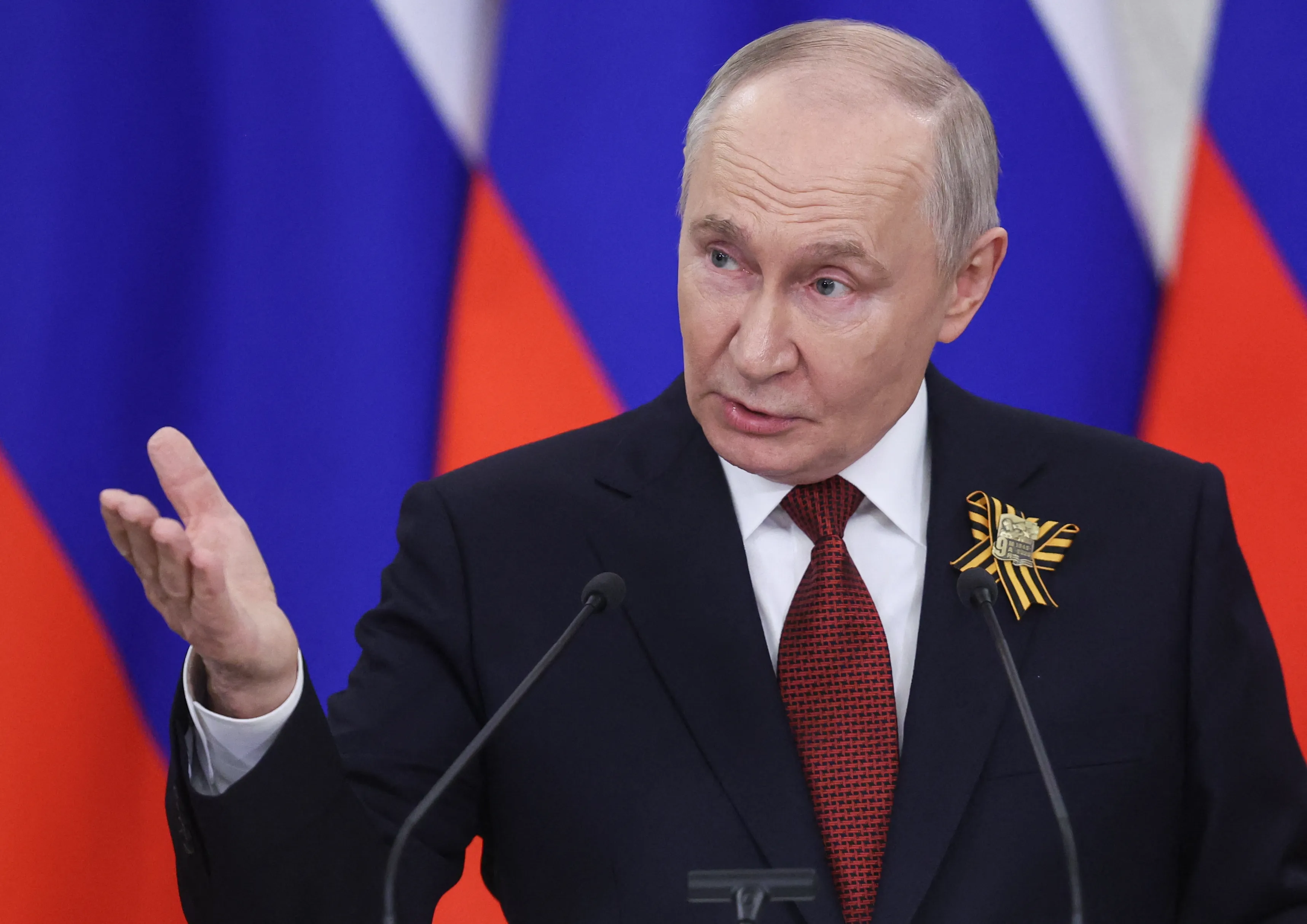
Russian President Vladimir Putin has signalled openness to peace talks over the war in Ukraine, a shift that comes as the United States pushes for a ceasefire. But the broader negotiations between Russia and Ukraine remain deadlocked, with no clear framework for a deal in place.
Putin's hints follow sustained US diplomatic pressure, with Washington backing a ceasefire as a first step toward ending the conflict that began with Russia's full-scale invasion in February 2022. The timing matters: US engagement has given Moscow a more prominent interlocutor, potentially offering Putin a path to talks that doesn't require direct concessions to Kyiv upfront.
The signal does not mean a deal is imminent. Peace talks and a ceasefire are different things. A ceasefire pauses fighting; a negotiated settlement requires agreement on territory, security guarantees, and accountability, none of which have been resolved. Russia and Ukraine still hold fundamentally opposed positions on all three.
Russia has not publicly committed to specific conditions, and Ukraine has repeatedly said it will not accept terms that reward territorial conquest. The US role as a mediator adds pressure on both sides, but Washington's leverage over Moscow is limited compared to its influence over Kyiv, which depends heavily on Western military and financial support.
The gap between a ceasefire signal and an actual peace process is wide. Historically, ceasefires in active conflicts can freeze front lines without resolving underlying disputes, sometimes for years. That outcome would leave Ukraine's territorial status unresolved and European security arrangements in flux.
For markets and businesses, prolonged uncertainty keeps energy prices volatile, sustains sanctions pressure on Russia, and delays any normalisation of trade flows through the region. European defence spending commitments, already elevated, are unlikely to ease regardless of ceasefire rhetoric.
The key things to watch: whether Russia follows the signal with concrete proposals, how Ukraine responds to any US-presented framework, and whether a ceasefire line, if agreed, becomes a de facto border or a temporary pause. Until those questions have answers, Putin's hint is a diplomatic signal, not a turning point.
Qatar's foreign ministry said mediators including Qatar, Pakistan, and Oman have reached "very progressive stages" in efforts to end the US-Iran war, pushing Brent crude down more than four percent.
Qatar confirmed it is mediating between the US and Iran but said no direct talks are currently planned. The clarification follows conflicting statements from President Trump, who claimed talks are under way, and Tehran, which denied any dialogue is happening.
Saudi Aramco reported sharply higher second-quarter 2026 profits as the Iran war restricts global oil supply and pushes crude prices up. Other oil supermajors also posted outsized earnings, raising concerns about sustained fuel cost pressure for importing economies.
President Trump called current Iran negotiations the "last chance" to end five months of conflict, pushing oil prices higher. Tehran denied formal talks are taking place, raising the risk of a diplomatic breakdown with direct consequences for global energy markets.