
Qatar Signals Progress in US-Iran War Talks
Qatar's foreign ministry said mediators including Qatar, Pakistan, and Oman have reached "very progressive stages" in efforts to end the US-Iran war, pushing Brent crude down more than four percent.
Key Takeaways
May 9, 2026 · 2 min read · By Rishabh Bhardwaj
·
AI-assisted, human-reviewed · Our editorial standards
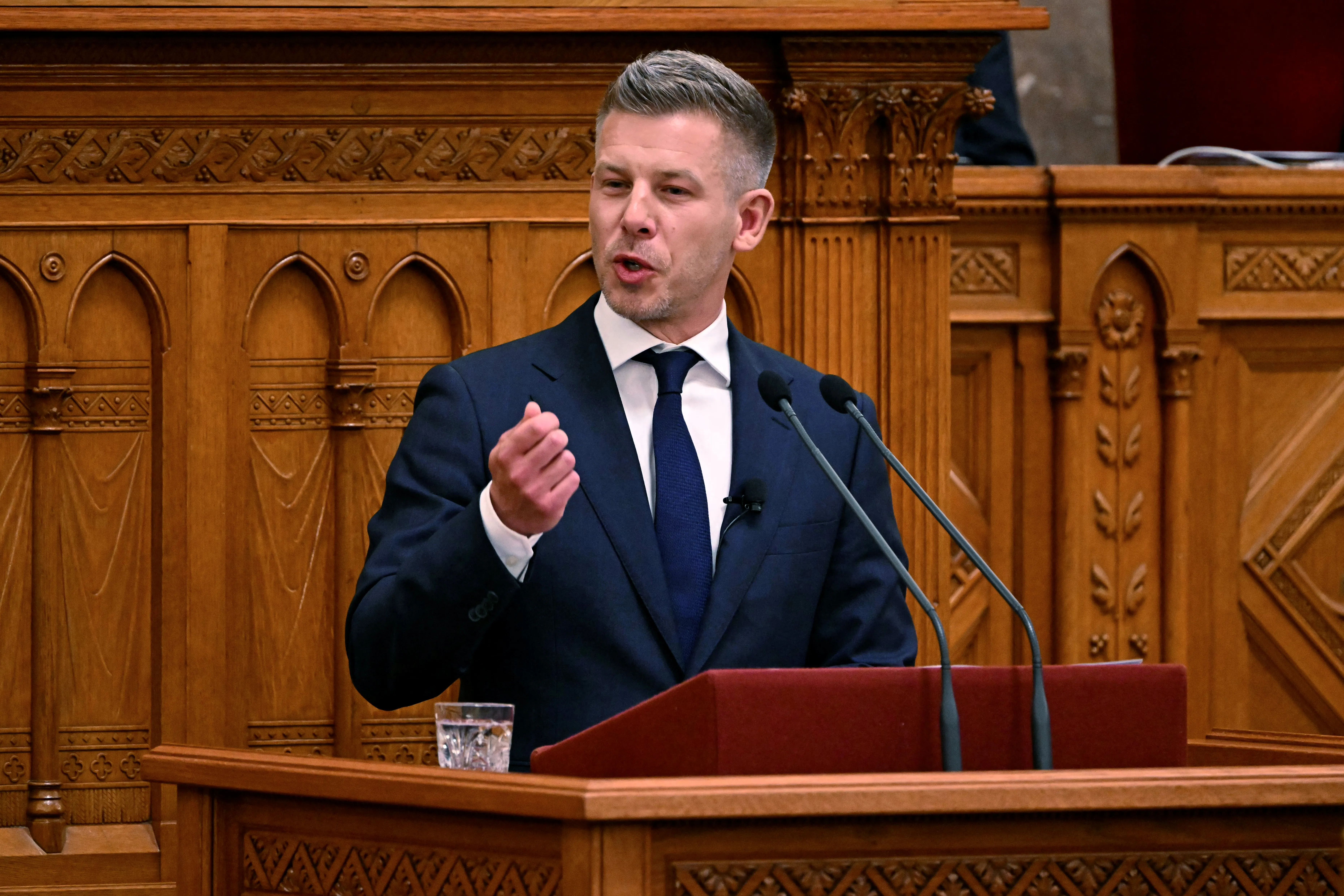
Peter Magyar was sworn in as Hungary's new Prime Minister, ending Viktor Orbán's 16-year grip on power. Magyar's Tisza party won a large enough parliamentary majority to govern outright, a result that marks one of the most significant political shifts in Central Europe in over a decade.
Magyar is a former insider, once married to a senior Orbán-era official, who turned into the government's most prominent critic. He founded Tisza as a broad opposition movement and built it into a genuine electoral force in a relatively short time. The party's campaign focused on democratic backsliding, corruption, and Hungary's fraying ties with the European Union, issues that had long defined international criticism of Orbán's governments.
The parliamentary majority is critical. In Hungary, a supermajority, two-thirds of seats, allows a governing party to rewrite the constitution without opposition consent. Orbán used that threshold repeatedly to entrench his position and reshape courts, media laws, and electoral rules. Whether Tisza has crossed that same threshold, or holds a simpler working majority, will determine how quickly and deeply Magyar can reverse those changes.
A change in government does not automatically undo 16 years of institutional rewiring. Courts, public media, and electoral administration were reshaped under Orbán. Unwinding those structures requires either supermajority votes in parliament or patient legal process, and some changes may face constitutional barriers that Orbán's own amendments put in place. Magyar will need to decide early on which battles to prioritize and at what pace.
For the European Union, the shift matters immediately. Orbán's Hungary blocked or delayed multiple EU decisions, including aid packages to Ukraine and rule-of-law proceedings. A Magyar government aligned more closely with Brussels could unlock frozen EU funds that were withheld over democratic standards concerns, money Hungary's economy has been waiting on.
Markets will be watching how quickly the new government moves to stabilize Hungary's relationship with EU institutions and whether frozen cohesion funds begin to flow. The forint and Hungarian sovereign bonds have been sensitive to EU-Hungary tensions in recent years. Domestically, the speed of any early policy moves, on media freedom, judicial independence, or anti-corruption bodies, will signal how ambitious Magyar intends to be.
Qatar's foreign ministry said mediators including Qatar, Pakistan, and Oman have reached "very progressive stages" in efforts to end the US-Iran war, pushing Brent crude down more than four percent.
Qatar confirmed it is mediating between the US and Iran but said no direct talks are currently planned. The clarification follows conflicting statements from President Trump, who claimed talks are under way, and Tehran, which denied any dialogue is happening.
Saudi Aramco reported sharply higher second-quarter 2026 profits as the Iran war restricts global oil supply and pushes crude prices up. Other oil supermajors also posted outsized earnings, raising concerns about sustained fuel cost pressure for importing economies.
President Trump called current Iran negotiations the "last chance" to end five months of conflict, pushing oil prices higher. Tehran denied formal talks are taking place, raising the risk of a diplomatic breakdown with direct consequences for global energy markets.