
Qatar Signals Progress in US-Iran War Talks
Qatar's foreign ministry said mediators including Qatar, Pakistan, and Oman have reached "very progressive stages" in efforts to end the US-Iran war, pushing Brent crude down more than four percent.
Key Takeaways
May 9, 2026 · 2 min read · By Rishabh Bhardwaj
·
AI-assisted, human-reviewed · Our editorial standards
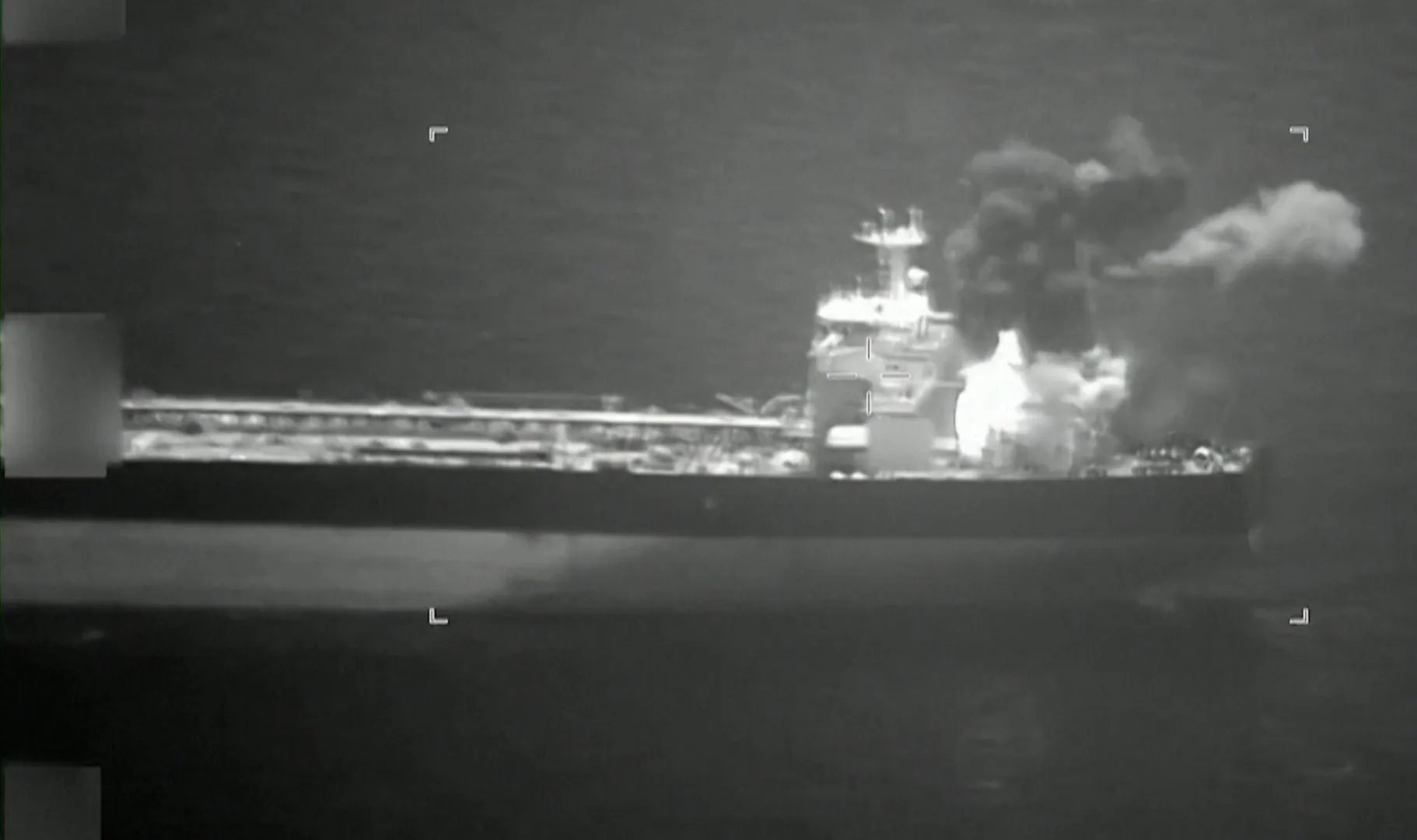
The Pentagon has released video footage showing US military strikes on two Iranian oil tankers in the Strait of Hormuz, one of the world's most strategically sensitive waterways.
The Strait of Hormuz is the narrow passage between the Persian Gulf and the Gulf of Oman. Roughly 20% of global oil supply moves through it, making any military action there significant for energy markets and shipping routes worldwide.
The released video documents strikes on two Iranian-flagged oil tankers, though the Pentagon has not provided detailed public explanation of the legal basis, precise timing, or operational context beyond the footage itself.
The US and Iran have a long history of maritime tension in the Gulf, including tanker seizures, drone incidents, and naval confrontations. Strikes directly on Iranian vessels, however, represent a sharp escalation compared with prior episodes, which typically involved interceptions or proxy engagements rather than direct US action against Iranian ships.
Any sustained military activity in the Strait of Hormuz carries immediate consequences for global oil prices and shipping insurance costs. Energy traders and carriers watch the waterway closely because a disruption, even a temporary one, can tighten supply and push up freight premiums across the region.
Iranian oil tankers have also been at the center of US sanctions enforcement efforts for years, with Washington targeting vessels that move Iranian crude to buyers in Asia and elsewhere in violation of sanctions. Whether these strikes are connected to sanctions enforcement, a broader military operation, or a response to a specific incident is not clear from the information released.
What to watch: further statements from the Pentagon on the justification for the strikes, Iran's official response, and any movement in oil futures or shipping rates as markets process the news.
Qatar's foreign ministry said mediators including Qatar, Pakistan, and Oman have reached "very progressive stages" in efforts to end the US-Iran war, pushing Brent crude down more than four percent.
Qatar confirmed it is mediating between the US and Iran but said no direct talks are currently planned. The clarification follows conflicting statements from President Trump, who claimed talks are under way, and Tehran, which denied any dialogue is happening.
Saudi Aramco reported sharply higher second-quarter 2026 profits as the Iran war restricts global oil supply and pushes crude prices up. Other oil supermajors also posted outsized earnings, raising concerns about sustained fuel cost pressure for importing economies.
President Trump called current Iran negotiations the "last chance" to end five months of conflict, pushing oil prices higher. Tehran denied formal talks are taking place, raising the risk of a diplomatic breakdown with direct consequences for global energy markets.