
Qatar Signals Progress in US-Iran War Talks
Qatar's foreign ministry said mediators including Qatar, Pakistan, and Oman have reached "very progressive stages" in efforts to end the US-Iran war, pushing Brent crude down more than four percent.
Key Takeaways
May 1, 2026 · 2 min read · By Rishabh Bhardwaj
·
AI-assisted, human-reviewed · Our editorial standards
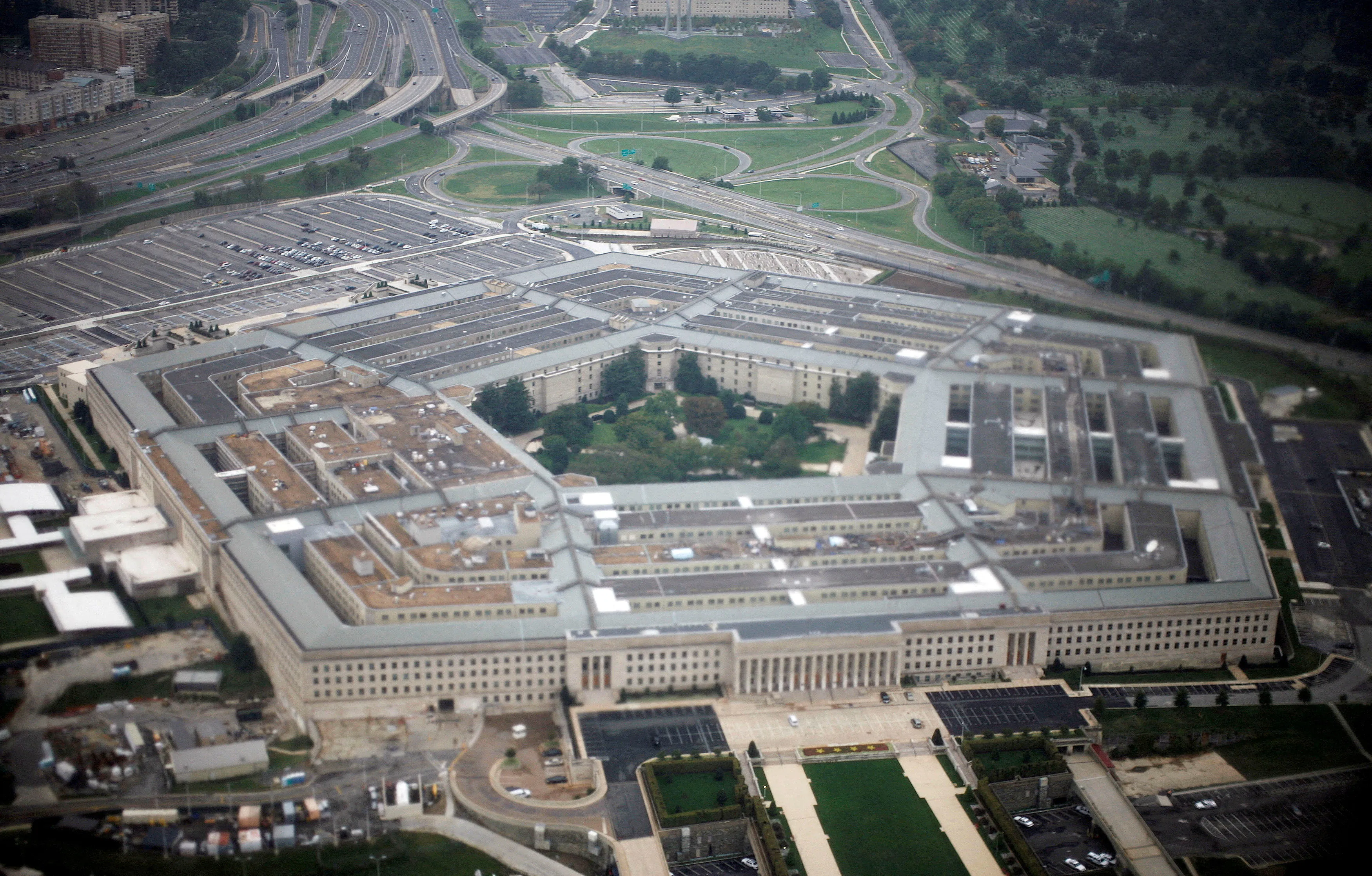
The Pentagon has signed deals with seven artificial intelligence companies to develop and deploy AI systems with access to classified information. The announcement marks the latest step in the U.S. Department of Defense's push to embed AI tools into sensitive military and intelligence operations.
The agreements grant these companies access to classified government environments, meaning their AI systems will operate on data and networks that are not available to the public. The Defense Department has not released the full list of companies involved, but the contracts signal a significant expansion of the military's reliance on commercial AI vendors for high-stakes work.
The move comes at a complicated moment for the Pentagon's AI ambitions. The department is currently in a standoff with Anthropic, one of the leading U.S. AI labs, over the terms of its involvement with defense projects. The nature of that dispute has not been fully disclosed, but its existence alongside this new round of deals suggests the Pentagon is working with a broad set of vendors rather than depending on any single provider.
The timing is notable. U.S. military planners are actively assessing scenarios involving Iran, and there is reported concern inside and outside the department about how AI tools could be used, or misused, in a potential conflict. Integrating AI into classified systems means these tools could inform decisions at speed and scale that human analysts alone cannot match, which raises both capability and accountability questions.
The core tension in defense AI is straightforward: faster, better-informed decisions are valuable in a military context, but errors made by AI systems in classified or combat-adjacent settings carry consequences that are harder to reverse than mistakes in commercial software. Oversight mechanisms for AI operating inside classified environments are not publicly visible, which makes independent scrutiny difficult.
For the AI industry, defense contracts of this kind carry significant revenue potential but also reputational risk. The Anthropic situation reflects a broader unease in parts of the tech sector about the boundaries of appropriate military use. How the seven companies in this latest round navigate those questions, and whether any public friction emerges, is worth watching.
The Pentagon has been accelerating AI adoption across logistics, intelligence analysis, and autonomous systems. This latest round of classified contracts extends that effort into more sensitive territory, with less public transparency about scope, safeguards, or intended use cases.
Qatar's foreign ministry said mediators including Qatar, Pakistan, and Oman have reached "very progressive stages" in efforts to end the US-Iran war, pushing Brent crude down more than four percent.
Qatar confirmed it is mediating between the US and Iran but said no direct talks are currently planned. The clarification follows conflicting statements from President Trump, who claimed talks are under way, and Tehran, which denied any dialogue is happening.
Saudi Aramco reported sharply higher second-quarter 2026 profits as the Iran war restricts global oil supply and pushes crude prices up. Other oil supermajors also posted outsized earnings, raising concerns about sustained fuel cost pressure for importing economies.
President Trump called current Iran negotiations the "last chance" to end five months of conflict, pushing oil prices higher. Tehran denied formal talks are taking place, raising the risk of a diplomatic breakdown with direct consequences for global energy markets.