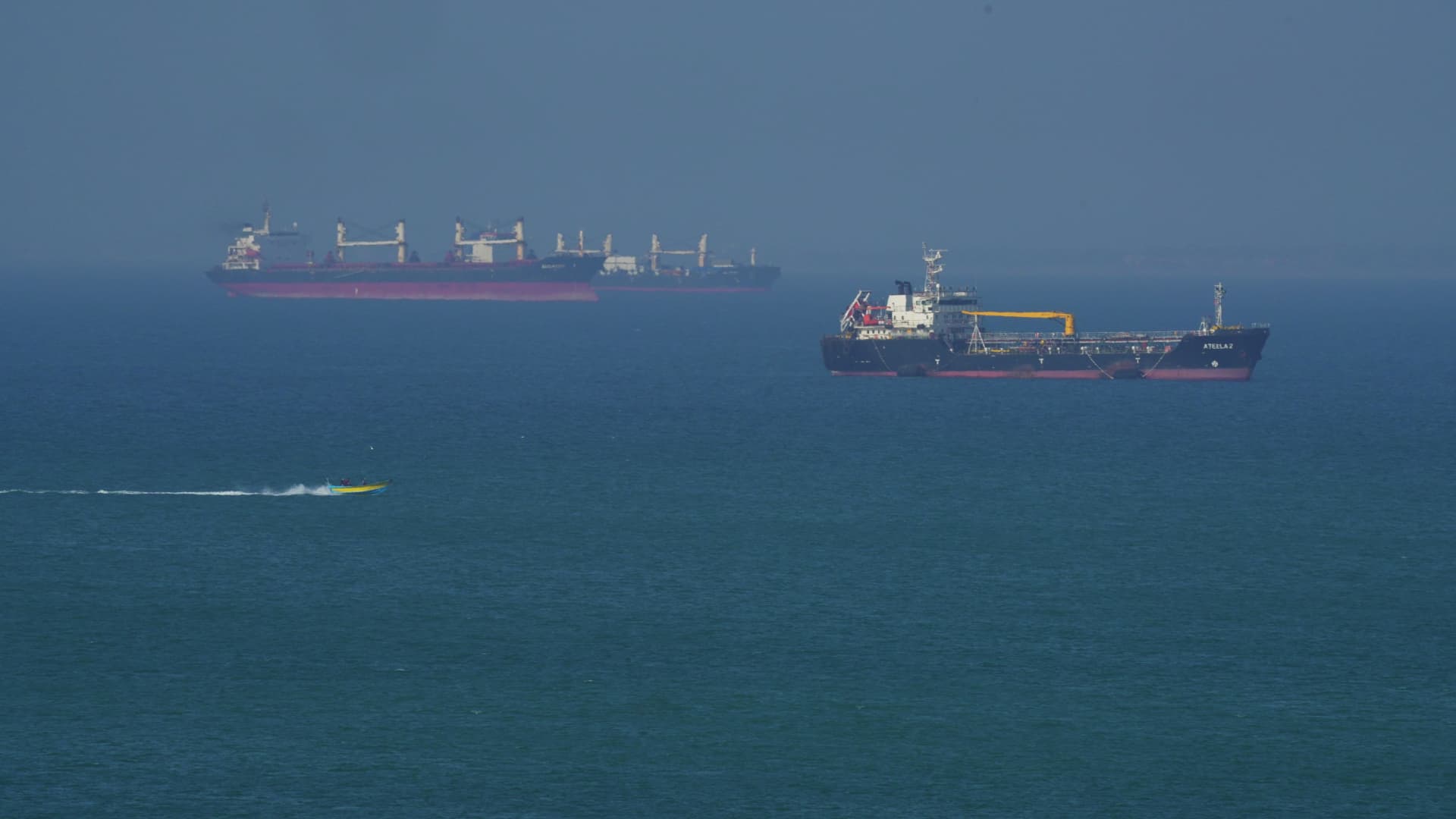
Oil prices rose as markets focused on a 60-day deadline under the U.S. War Powers Resolution, which could force President Trump to withdraw American troops from any Iran-related military engagement. The 1973 law requires a president to pull back deployed forces within 60 days of notifying Congress, unless lawmakers vote to authorize continued action. The clock starts from the moment a deployment report is filed with Congress. The tension around Iran is driving the price move. Oil traders watch any potential conflict in or near Iran closely because the country sits along key Gulf shipping routes and is a significant crude producer. A military escalation could disrupt supply from the region. The deadline creates a hard legislative constraint on how long U.S. military action can continue without congressional approval. If Trump does not secure that approval, he would be legally required to begin withdrawing forces. Markets are pricing in the uncertainty around what happens at that threshold and whether Congress acts. The next clear signal will come if and when a formal deployment report is submitted.
Qatar's foreign ministry said mediators including Qatar, Pakistan, and Oman have reached "very progressive stages" in efforts to end the US-Iran war, pushing Brent crude down more than four percent.
Qatar confirmed it is mediating between the US and Iran but said no direct talks are currently planned. The clarification follows conflicting statements from President Trump, who claimed talks are under way, and Tehran, which denied any dialogue is happening.
Saudi Aramco reported sharply higher second-quarter 2026 profits as the Iran war restricts global oil supply and pushes crude prices up. Other oil supermajors also posted outsized earnings, raising concerns about sustained fuel cost pressure for importing economies.
President Trump called current Iran negotiations the "last chance" to end five months of conflict, pushing oil prices higher. Tehran denied formal talks are taking place, raising the risk of a diplomatic breakdown with direct consequences for global energy markets.