
Qatar Signals Progress in US-Iran War Talks
Qatar's foreign ministry said mediators including Qatar, Pakistan, and Oman have reached "very progressive stages" in efforts to end the US-Iran war, pushing Brent crude down more than four percent.
Key Takeaways
July 27, 2026 · 4 min read · By Rishabh Bhardwaj
·
AI-assisted, human-reviewed · Our editorial standards
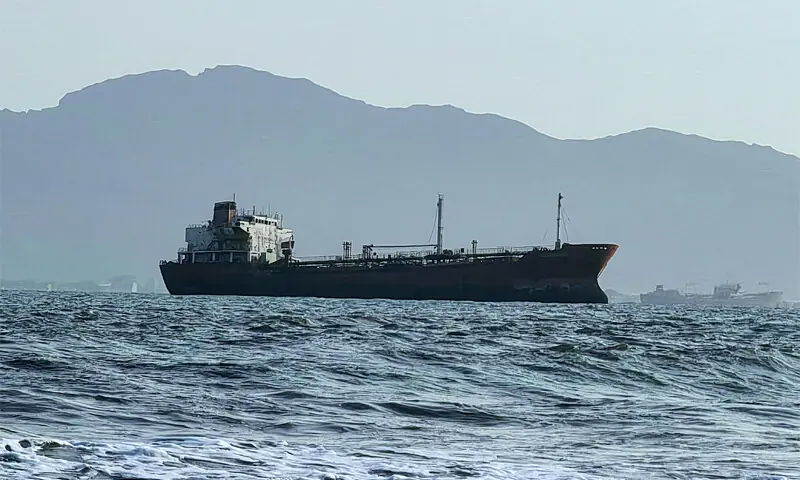
Brent crude crossed $100 a barrel on Thursday for the first time since late May, surging nearly 7 percent in a single session after Yemen's Houthi forces attacked two Saudi oil tankers in the Red Sea. The attack compounded an already severe supply crisis rooted in near-halted traffic through the Strait of Hormuz, pushing oil markets into their fifth consecutive day of gains.
Brent futures settled at $100.66 a barrel as of midday New York time, up $6.59 on the day. The global benchmark has now risen close to 40 percent in July 2026 alone, one of the sharpest monthly moves in years. US West Texas Intermediate crude rose $5.45 to $92.28, trading above $90 for the first time since mid-June.
The oil market is now contending with simultaneous stress at two of the world's most critical shipping corridors. Iranian strikes on vessels crossing the Strait of Hormuz have driven non-Iranian tankers away from the waterway almost entirely. A US naval blockade targeting Iranian ports has compounded the effect: Iranian oil loadings have likely fallen to zero from a pace of 1.5 to 2 million barrels per day at the start of July, according to UBS analyst Giovanni Staunovo.
The knock-on effect inside the Gulf is already measurable. Loading activity across the broader Gulf region has dropped to 2.5 million barrels per day over the past week, compared with 6 million barrels per day averaged over the prior 30 days. That is a reduction of more than half in available supply moving out of the region's core export infrastructure.
The Houthi attack on Saudi tankers in the Red Sea now threatens the Bab el-Mandeb Strait as an alternative exit route. Tim Snyder, chief economist at Matador Economics, described the attack as opening "another chokepoint for crude oil trade originating from the Middle East," warning that constricting multiple exit routes simultaneously shifts oil into a structurally tighter supply environment. Two Chinese supertankers carrying a combined 4 million barrels of Saudi crude did manage to exit through the Bab el-Mandeb on Thursday, according to shipping data, but the route's vulnerability is now firmly in the market's pricing calculus.
Goldman Sachs put a concrete number on the upside risk. The bank said Brent could exceed $120 a barrel in the fourth quarter of 2026 if the Strait of Hormuz remains disrupted through 2027. If the Bab el-Mandeb Strait and the Suez Canal also face persistent disruption, Goldman flagged further price upside beyond that level. The bank's base case now sees Brent averaging $100 next year if Hormuz stays effectively closed.
On the supply side, seven core OPEC+ members, including Saudi Arabia, Russia, Iraq, Kuwait, Algeria, Kazakhstan, and Oman, are expected to approve an output increase of around 188,000 barrels per day for September when they meet on August 2. That matches the increments agreed for June, July, and August. The problem is that the Iran conflict is already limiting how much some members can actually pump, meaning the headline target increase may not translate into real barrels reaching market.
For consumers and businesses, the arithmetic is straightforward and unforgiving. Every sustained $10 rise in Brent crude feeds through to higher pump prices, elevated aviation fuel costs, and wider inflation in goods that depend on petrochemical inputs. Central banks that had been making progress on inflation will now watch energy line items carefully. Emerging markets that import oil and carry dollar-denominated debt face a double squeeze: higher energy bills and potential pressure on their currencies if global risk appetite shifts.
The immediate market question is whether OPEC+'s modest September increment will do anything to offset the supply shock, or whether the group simply lacks the spare capacity and political conditions to respond meaningfully at scale. The August 2 meeting becomes a key signal. If the Strait of Hormuz situation does not ease and Houthi activity in the Red Sea intensifies, the path toward Goldman's $120 scenario shortens considerably.
Qatar's foreign ministry said mediators including Qatar, Pakistan, and Oman have reached "very progressive stages" in efforts to end the US-Iran war, pushing Brent crude down more than four percent.
Qatar confirmed it is mediating between the US and Iran but said no direct talks are currently planned. The clarification follows conflicting statements from President Trump, who claimed talks are under way, and Tehran, which denied any dialogue is happening.
Saudi Aramco reported sharply higher second-quarter 2026 profits as the Iran war restricts global oil supply and pushes crude prices up. Other oil supermajors also posted outsized earnings, raising concerns about sustained fuel cost pressure for importing economies.
President Trump called current Iran negotiations the "last chance" to end five months of conflict, pushing oil prices higher. Tehran denied formal talks are taking place, raising the risk of a diplomatic breakdown with direct consequences for global energy markets.