
Qatar Signals Progress in US-Iran War Talks
Qatar's foreign ministry said mediators including Qatar, Pakistan, and Oman have reached "very progressive stages" in efforts to end the US-Iran war, pushing Brent crude down more than four percent.
Key Takeaways
May 8, 2026 · 2 min read · By Rishabh Bhardwaj
·
AI-assisted, human-reviewed · Our editorial standards
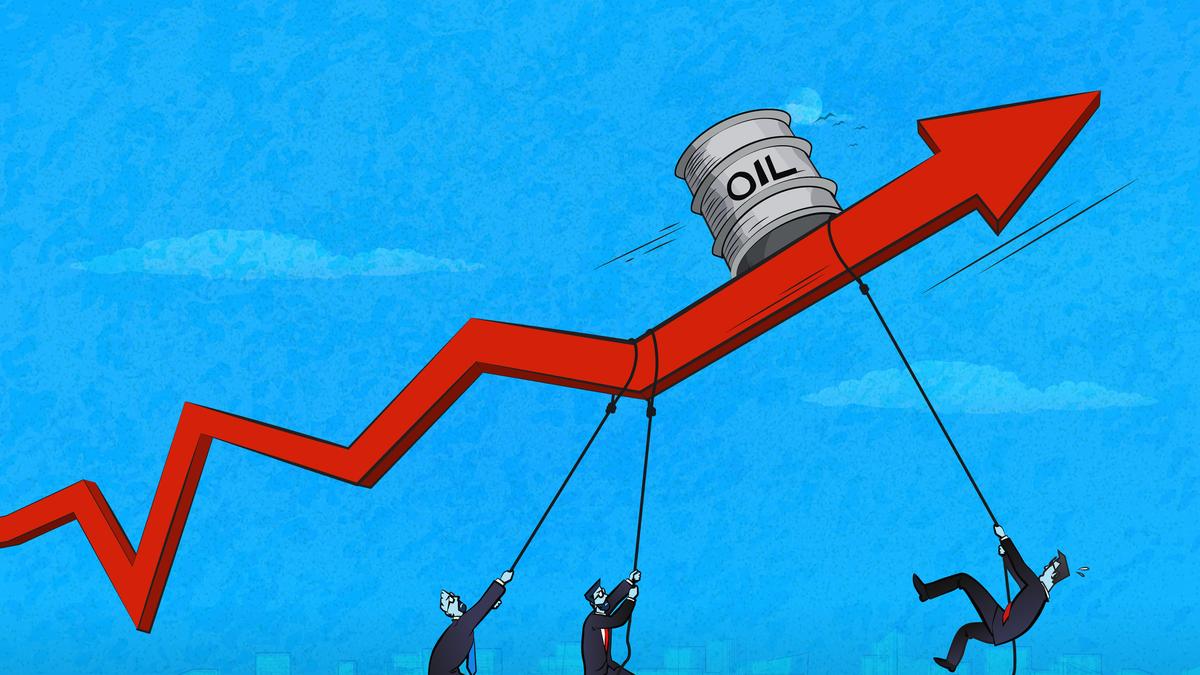
Oil prices jumped and global stock markets fell on Friday after U.S. and Iranian forces clashed, raising fears that ongoing peace talks could collapse and extend a conflict that has already pushed energy prices sharply higher over the past ten weeks.
Markets had been in a positive mood heading into the week's close. Stocks had rallied on growing confidence that the conflict, which has kept oil markets unsettled since it began, was close to a resolution. That optimism unwound quickly once news of the clashes broke.
Oil and geopolitical conflict have a direct relationship: when supply routes or major producing regions face disruption risk, traders push crude prices higher as a precaution. The ten-week conflict had already done that. A credible path to peace had started to bring those prices back down, which in turn lifted stocks, lower energy costs ease pressure on corporate margins and consumer spending alike.
The clashes between U.S. and Iranian forces reversed that logic in one session. If talks break down, the conflict continues, oil stays elevated, and the relief rally in equities loses its foundation. That chain of reasoning is why both moves, oil up, stocks down, happened simultaneously and sharply.
The immediate question is whether the clashes represent a serious escalation or a contained incident that leaves peace talks intact. Any official statement from either Washington or Tehran about the status of negotiations will move markets quickly. Oil traders will also be watching whether the conflict's geography threatens actual supply infrastructure, which would add a further premium to crude prices beyond the existing conflict discount.
For equity investors, the calculus is straightforward: a ceasefire or credible progress in talks would likely restore the week's gains. A breakdown would put the recent rally at risk and keep energy-cost pressure on businesses and households. The situation remains fluid, and the next few days of diplomatic signals will be the clearest guide to where both oil and stocks head next.
Qatar's foreign ministry said mediators including Qatar, Pakistan, and Oman have reached "very progressive stages" in efforts to end the US-Iran war, pushing Brent crude down more than four percent.
Qatar confirmed it is mediating between the US and Iran but said no direct talks are currently planned. The clarification follows conflicting statements from President Trump, who claimed talks are under way, and Tehran, which denied any dialogue is happening.
Saudi Aramco reported sharply higher second-quarter 2026 profits as the Iran war restricts global oil supply and pushes crude prices up. Other oil supermajors also posted outsized earnings, raising concerns about sustained fuel cost pressure for importing economies.
President Trump called current Iran negotiations the "last chance" to end five months of conflict, pushing oil prices higher. Tehran denied formal talks are taking place, raising the risk of a diplomatic breakdown with direct consequences for global energy markets.