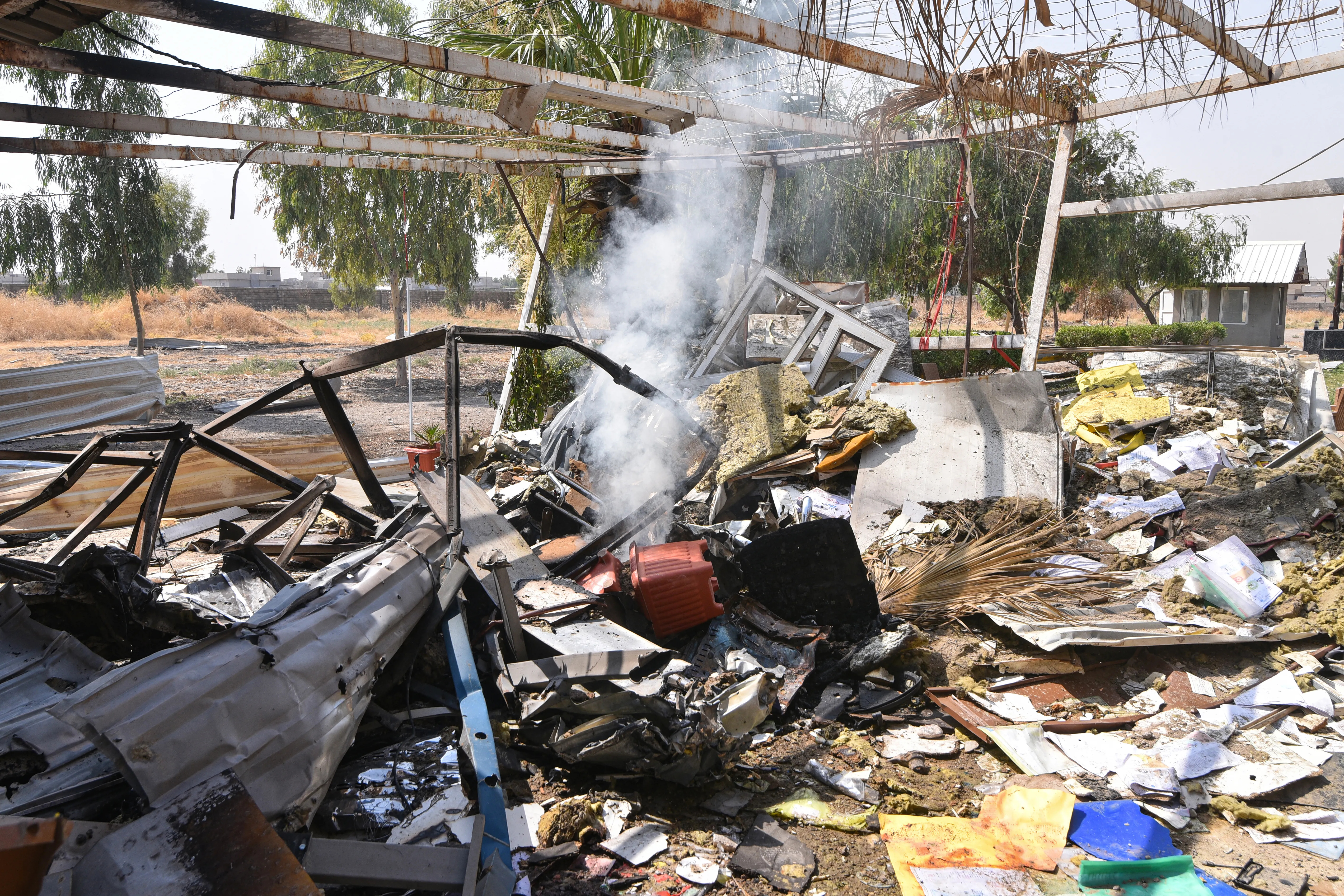
The United States and Saudi Arabia launched coordinated airstrikes against Iran-backed armed groups in Iraq on Wednesday, July 29, marking Washington's return to active military operations in the Middle East after a brief pause that began last week. The joint strikes signal a sharp escalation in what has become a multi-front regional conflict.
The resumption of U.S. bombing ends a short suspension that had raised hopes of a diplomatic opening. That window has now closed. By striking alongside Saudi forces, Washington has deepened its direct military partnership with Riyadh in the campaign against Iranian proxy networks operating in Iraq, which have been a persistent source of attacks on U.S. and allied positions across the region.
Iran Rejects Omani Hormuz Plan
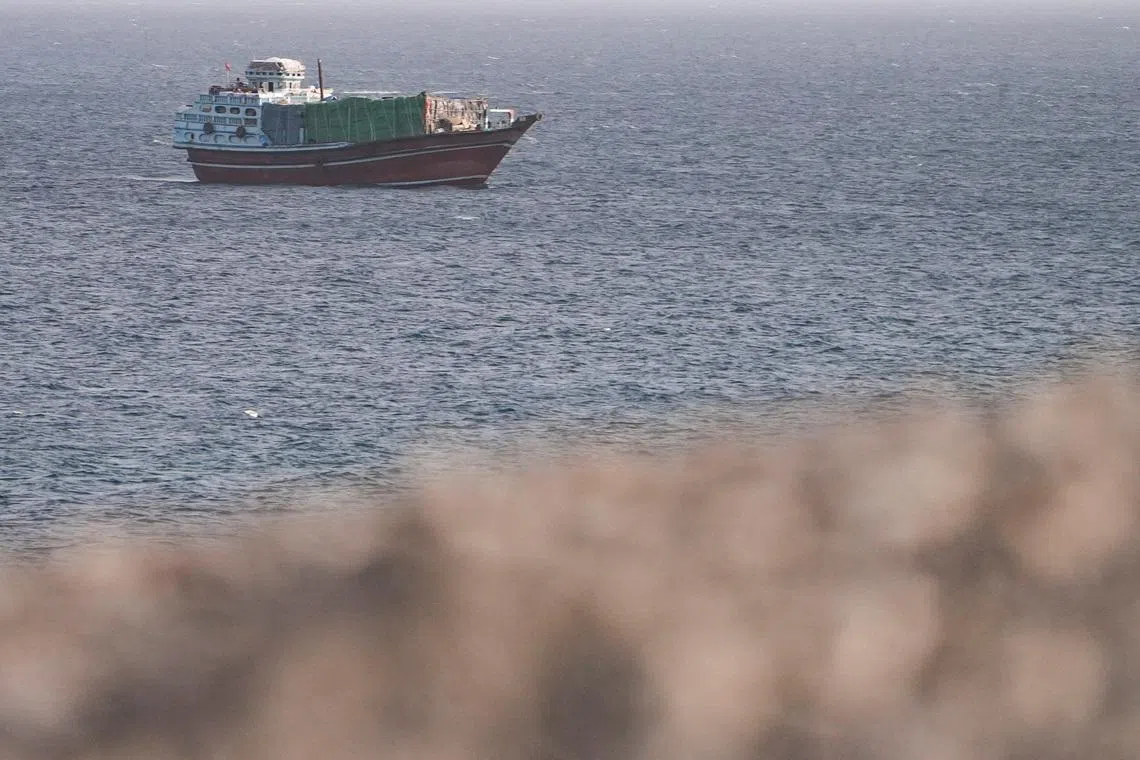
The strike comes as diplomacy hit a wall on a separate front. Iran rejected an Omani proposal to manage the Strait of Hormuz, the narrow chokepoint through which roughly 20 percent of the world's traded oil passes. Oman has historically played the role of quiet broker between Tehran and Western powers, making Iran's refusal of this particular channel a meaningful signal. Tehran is not, for now, interested in arrangements that constrain its ability to threaten one of the world's most critical energy arteries.
The Strait of Hormuz rejection matters beyond symbolism. Any disruption there, even a credible threat of one, tends to push oil prices higher almost immediately. Traders and shipping insurers price in risk the moment military activity intensifies near the waterway. Iran retaining full control over its posture in the strait keeps that threat live and unmanaged.
What This Means for the Broader Conflict
The U.S.-Saudi joint operation in Iraq introduces a new layer of complexity. Iraq's government sits in a difficult position: it hosts both U.S. forces under existing agreements and Iran-aligned armed factions that operate with varying degrees of state tolerance. Airstrikes on those factions inside Iraqi territory put Baghdad under serious political pressure, potentially straining its relationships in multiple directions at once.
For Saudi Arabia, participating directly in strikes on Iranian proxies in Iraq marks an escalation of its own. Riyadh has long sought to counter Iranian influence across the region, but conducting joint air operations with the U.S. inside a neighboring Arab country is a more overt step than prior involvement in, for example, the Yemen conflict.
The coordination between Washington and Riyadh also carries a market dimension. Oil markets have been watching this conflict closely. The combination of active U.S.-Saudi strikes and Iran's refusal to enter any arrangement over Hormuz removes two potential de-escalation signals that traders had been waiting for. Supply risk premiums in crude pricing are likely to stay elevated or move higher depending on how Tehran responds in the coming days.
Iran's next move is the central variable. It can respond through its proxy networks in Iraq, through Hezbollah, through Houthi activity in the Red Sea, or by hardening its posture in the Gulf itself. Each of those channels carries different consequences for energy markets, regional security, and the diplomatic space that countries like Oman are trying to preserve.
For now, the pattern is clear: a brief U.S. pause produced no diplomatic progress, strikes have resumed with a new partner, and the one realistic diplomatic mechanism on offer, the Omani Hormuz proposal, has been turned down by Tehran. The conflict is not winding down. It is widening.