
Qatar Signals Progress in US-Iran War Talks
Qatar's foreign ministry said mediators including Qatar, Pakistan, and Oman have reached "very progressive stages" in efforts to end the US-Iran war, pushing Brent crude down more than four percent.
Key Takeaways
May 28, 2026 · 3 min read · By Rishabh Bhardwaj
·
AI-assisted, human-reviewed · Our editorial standards
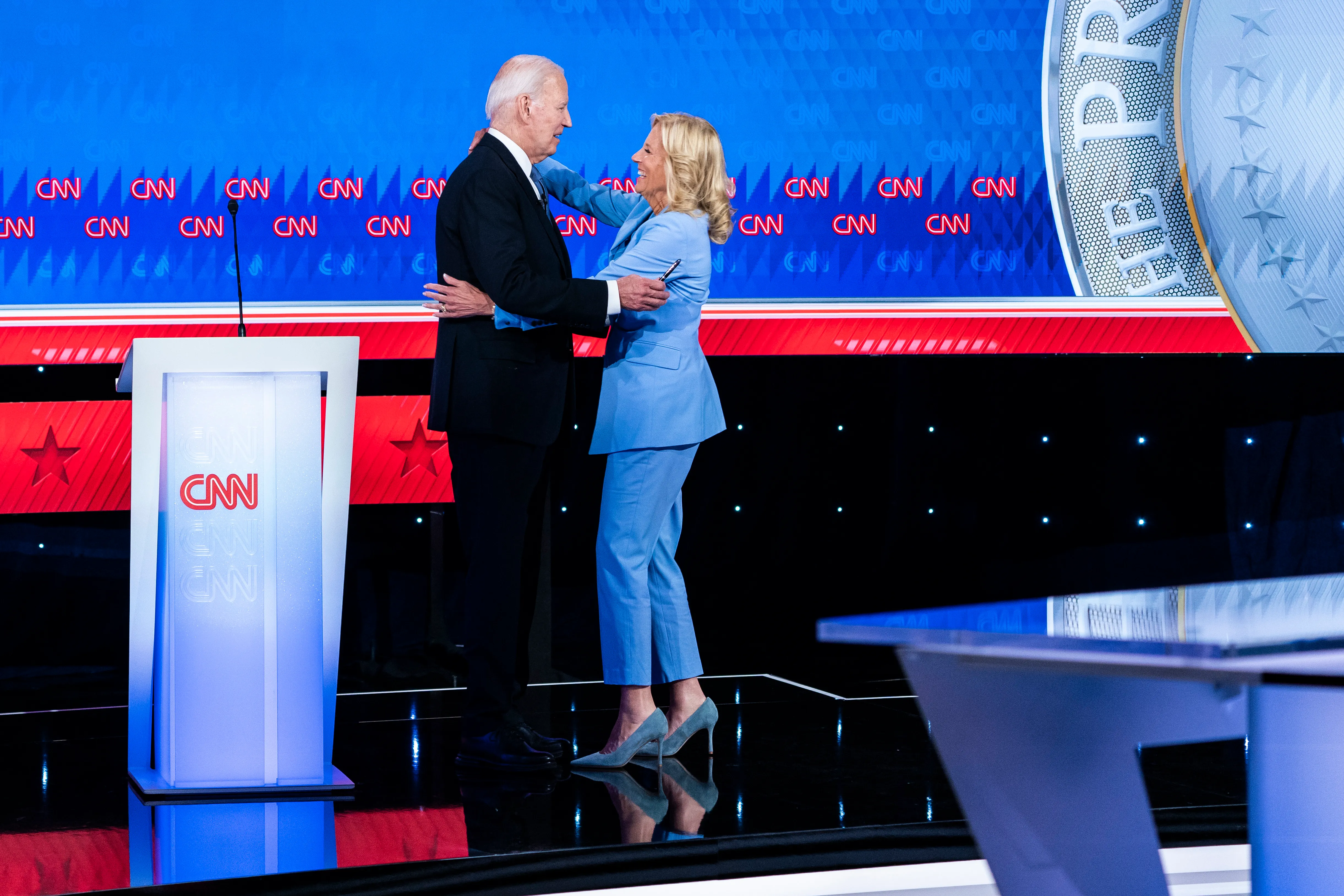
Jill Biden has admitted she feared her husband was having a stroke during his June 2024 debate against Donald Trump, the moment widely seen as the beginning of the end of Joe Biden's reelection campaign. In a CBS News interview set to air on Sunday Morning, she tells correspondent Rita Braver: "I don't know what happened" and "I had never ever seen Joe like that."
The admission is striking because it comes from the person closest to Biden, someone who would have had more visibility into his health and daily condition than almost anyone else in the White House. That she reached for "stroke" as an explanation in real time suggests the deterioration she witnessed on that debate stage was severe enough to alarm even her.
The June 2024 presidential debate was a turning point in the 2024 election cycle. Biden appeared confused, lost his train of thought repeatedly, and spoke in a halting, barely audible voice at key moments. The performance alarmed Democratic donors, party officials, and voters almost immediately. Within weeks, pressure mounted on Biden to exit the race, which he eventually did, endorsing Vice President Kamala Harris as his replacement on the ticket.
Until now, the Biden team's public posture was that the debate was a bad night, a product of fatigue and a cold, not a sign of deeper medical concern. Jill Biden's own words now sit in direct tension with that framing. If the person closest to the president believed in the moment that he might be having a stroke, the "bad night" explanation looks considerably thinner.
This matters beyond political score-keeping. It raises questions about what senior officials and family members knew about Biden's condition before the debate, and whether the public and Democratic Party leadership were given an accurate picture of his health at a moment when they were making decisions about supporting his candidacy. These are not abstract concerns: voters, donors, and party officials made consequential choices based on the information available to them.
The interview also lands as Democrats are still processing a painful 2024 loss and trying to understand what went wrong. Accounts from inside the Biden White House have been emerging steadily, and this one carries unusual weight because it comes directly from Jill Biden rather than from anonymous aides or retrospective reporting.
The CBS News piece is set to air on Sunday Morning, and it is likely to renew scrutiny of how Biden's health was managed and communicated throughout his presidency and campaign. Publishers and journalists working on post-election books about the 2024 race will likely treat Jill Biden's comments as significant primary source material.
For the Democratic Party, the interview is another difficult data point in an ongoing internal debate about transparency, candidate vetting, and how the decision to protect Biden's path to the nomination was handled. Whether it produces any formal reckoning or accountability is a separate question, but the conversation it restarts is one the party has not fully resolved.
Joe Biden has not publicly responded to his wife's characterization of the debate night. The CBS interview with Jill Biden represents the most direct acknowledgment yet from within the Biden family that what happened on that stage was not simply an off night.
Qatar's foreign ministry said mediators including Qatar, Pakistan, and Oman have reached "very progressive stages" in efforts to end the US-Iran war, pushing Brent crude down more than four percent.
Qatar confirmed it is mediating between the US and Iran but said no direct talks are currently planned. The clarification follows conflicting statements from President Trump, who claimed talks are under way, and Tehran, which denied any dialogue is happening.
Saudi Aramco reported sharply higher second-quarter 2026 profits as the Iran war restricts global oil supply and pushes crude prices up. Other oil supermajors also posted outsized earnings, raising concerns about sustained fuel cost pressure for importing economies.
President Trump called current Iran negotiations the "last chance" to end five months of conflict, pushing oil prices higher. Tehran denied formal talks are taking place, raising the risk of a diplomatic breakdown with direct consequences for global energy markets.