
Qatar Signals Progress in US-Iran War Talks
Qatar's foreign ministry said mediators including Qatar, Pakistan, and Oman have reached "very progressive stages" in efforts to end the US-Iran war, pushing Brent crude down more than four percent.
May 27, 2026 · 3 min read · By Rishabh Bhardwaj
·
AI-assisted, human-reviewed · Our editorial standards
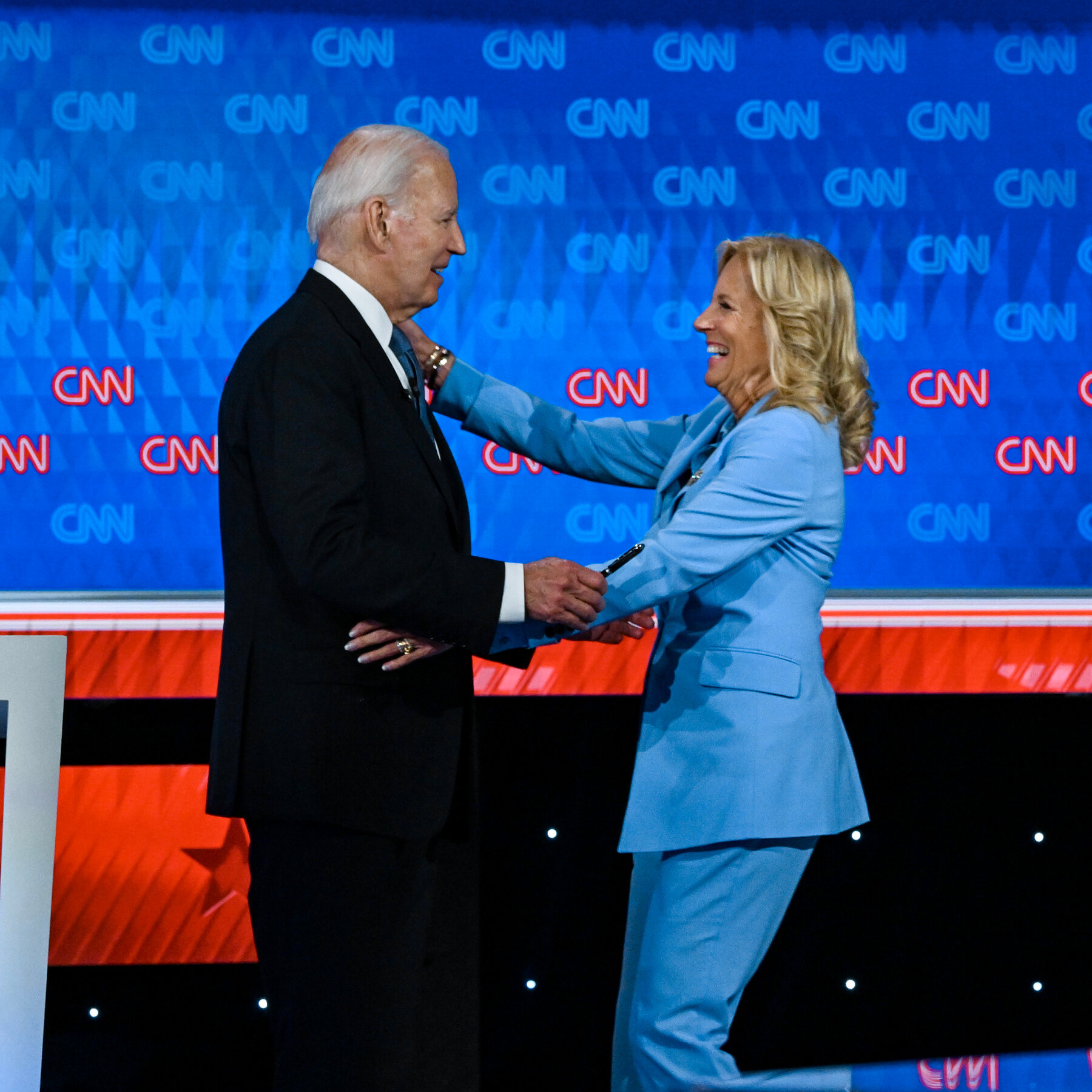
Jill Biden told CBS News that watching her husband perform in the 2024 presidential debate left her with a fear she had never felt before. "I had never, ever seen Joe like that," she said. "Before or since." The remark is her most direct public acknowledgment of how alarming that night appeared, even to those closest to him.
The former first lady's words carry weight because she was, by any measure, one of the people best positioned to judge whether Joe Biden's debate performance was an isolated event or a sign of something more serious. Her phrasing, "before or since," is notable: it frames the debate night as an outlier, not a pattern she had witnessed across his presidency.
The CBS News interview adds a personal and emotional dimension to a debate that reshaped the 2024 presidential race. Biden's performance that night prompted weeks of public pressure from Democratic Party figures, donors, and members of Congress. He ultimately withdrew from the race in July 2024, endorsing Vice President Kamala Harris as the Democratic nominee.
At the time, Biden's team attributed his halting delivery and hoarse voice to a cold. The former first lady's comment does not directly contradict that explanation, but her choice of words, describing what she saw as something she had never witnessed before or since, suggests the moment struck her as more than a routine off night.
The debate, held in late June 2024, was the first of the general election cycle and was unusually early by historical standards. It was also conducted without a live studio audience, which stripped away one of the traditional buffers that allows candidates to reset during difficult moments. Biden's performance drew immediate and widespread criticism, and the weeks that followed became one of the most turbulent periods in recent Democratic Party history.
Questions about Biden's age and fitness had circulated for years before the debate, but the televised exchange brought them into sharp public focus. Several prominent Democratic voices who had previously stayed quiet began calling for him to step aside. Fundraising signals shifted. Internal party conversations that had largely been private became public.
Jill Biden had been a consistent and forceful advocate for her husband's candidacy throughout that period. She appeared alongside him at campaign events and defended his record and capabilities in numerous interviews. Her willingness now to describe that debate night in such stark terms marks a clear shift in how she is choosing to discuss what happened.
The interview does not detail what specifically she observed, what she thought the cause was, or whether she discussed her concerns with advisers or medical staff at the time. Those gaps limit how much can be drawn from the remarks, but the emotional candor itself is significant given her previous public posture.
For Democratic Party figures and political observers, the interview reopens questions about the internal decision-making process that kept Biden in the race through the spring and into the summer of 2024, and what those close to him knew or feared in real time. It also lands as Biden is no longer in office, which may explain the greater degree of openness.
Whether the interview is part of a broader effort to shape the historical record around Biden's presidency and exit from the race is unclear. What it does confirm is that even within his closest circle, the debate was viewed as a genuinely alarming departure from the person they knew.
Qatar's foreign ministry said mediators including Qatar, Pakistan, and Oman have reached "very progressive stages" in efforts to end the US-Iran war, pushing Brent crude down more than four percent.
Qatar confirmed it is mediating between the US and Iran but said no direct talks are currently planned. The clarification follows conflicting statements from President Trump, who claimed talks are under way, and Tehran, which denied any dialogue is happening.
Saudi Aramco reported sharply higher second-quarter 2026 profits as the Iran war restricts global oil supply and pushes crude prices up. Other oil supermajors also posted outsized earnings, raising concerns about sustained fuel cost pressure for importing economies.
President Trump called current Iran negotiations the "last chance" to end five months of conflict, pushing oil prices higher. Tehran denied formal talks are taking place, raising the risk of a diplomatic breakdown with direct consequences for global energy markets.