
Qatar Signals Progress in US-Iran War Talks
Qatar's foreign ministry said mediators including Qatar, Pakistan, and Oman have reached "very progressive stages" in efforts to end the US-Iran war, pushing Brent crude down more than four percent.
Key Takeaways
May 9, 2026 · 2 min read · By Rishabh Bhardwaj
·
AI-assisted, human-reviewed · Our editorial standards
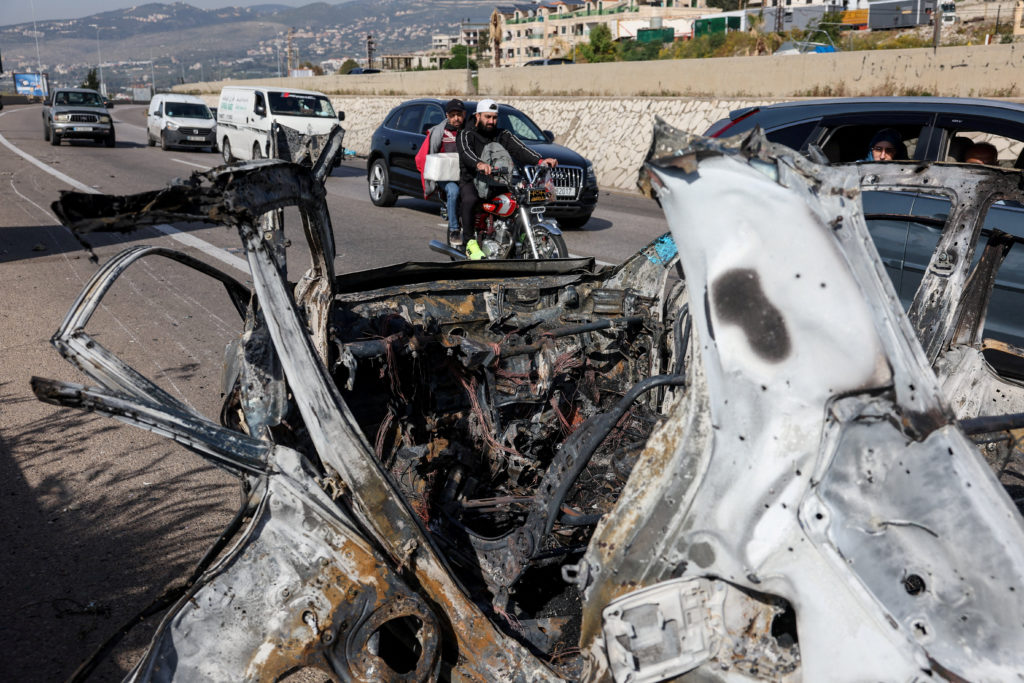
Israeli drones struck areas south of Beirut on Wednesday, killing four people, while separate Israeli airstrikes in southern Lebanon killed at least 13 others. The attacks mark a significant escalation since a ceasefire between Israel and Hezbollah took effect on April 17.
The three drone strikes near Beirut represent a notable geographic shift. Previous Israeli strikes since the April 17 ceasefire had largely been confined to southern Lebanon. Bringing the strikes closer to the capital signals a widening of the operational zone and puts the fragile truce under fresh pressure.
The southern airstrikes added a separate death toll of at least 13, meaning a single day saw at least 17 people killed across two distinct areas of the country. The scale and geographic spread of Wednesday's strikes together make this one of the more serious escalations since the ceasefire began.
A ceasefire in Lebanon does not automatically mean a formal peace agreement. It is typically a pause in active fighting, often monitored by international parties, with both sides technically bound not to carry out offensive operations. Repeated Israeli strikes after April 17 have already raised questions about whether the terms are holding.
The strikes near Beirut are likely to intensify diplomatic pressure on the parties monitoring or brokering the ceasefire, though the source article does not name those parties or their current response. Hezbollah's reaction to Wednesday's strikes has also not been detailed in available reporting.
For Lebanon, a country still recovering from years of conflict and a severe economic crisis, continued strikes near its capital compound an already difficult situation for civilians and the government alike. What to watch: whether Hezbollah responds militarily, whether international mediators publicly react, and whether Israel signals any change in its stated justification for the strikes.
Qatar's foreign ministry said mediators including Qatar, Pakistan, and Oman have reached "very progressive stages" in efforts to end the US-Iran war, pushing Brent crude down more than four percent.
Qatar confirmed it is mediating between the US and Iran but said no direct talks are currently planned. The clarification follows conflicting statements from President Trump, who claimed talks are under way, and Tehran, which denied any dialogue is happening.
Saudi Aramco reported sharply higher second-quarter 2026 profits as the Iran war restricts global oil supply and pushes crude prices up. Other oil supermajors also posted outsized earnings, raising concerns about sustained fuel cost pressure for importing economies.
President Trump called current Iran negotiations the "last chance" to end five months of conflict, pushing oil prices higher. Tehran denied formal talks are taking place, raising the risk of a diplomatic breakdown with direct consequences for global energy markets.