
Qatar Signals Progress in US-Iran War Talks
Qatar's foreign ministry said mediators including Qatar, Pakistan, and Oman have reached "very progressive stages" in efforts to end the US-Iran war, pushing Brent crude down more than four percent.
Key Takeaways
May 9, 2026 · 2 min read · By Rishabh Bhardwaj
·
AI-assisted, human-reviewed · Our editorial standards
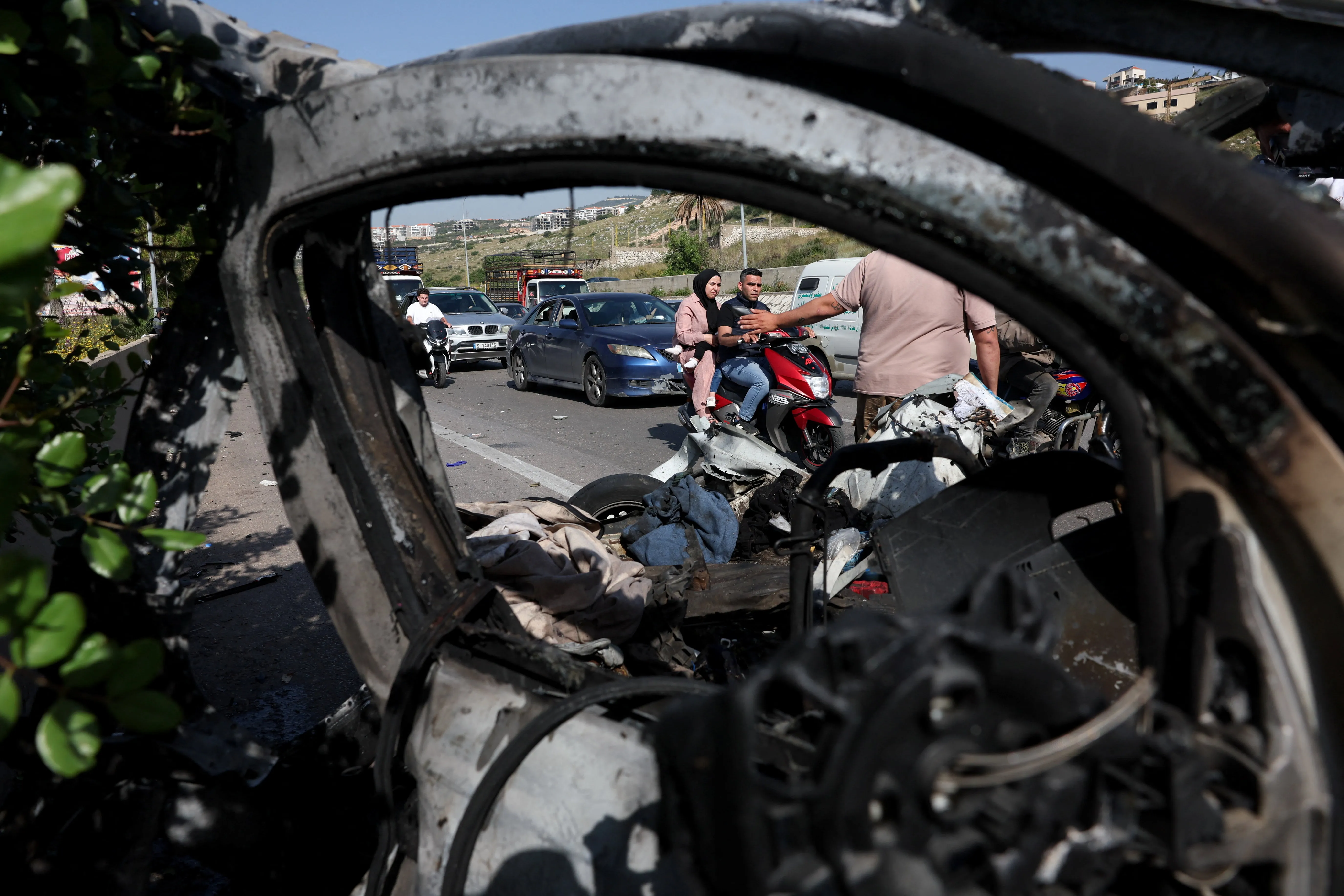
Israeli strikes across Lebanon killed at least 19 people, continuing a pattern of military action that has persisted despite a US-brokered ceasefire agreement being in place.
The attacks mark another significant episode in the ongoing conflict, with no sign of restraint from Israeli forces even as diplomatic channels remain active. A new round of ceasefire talks is expected next week, suggesting the current agreement has not held firm on the ground.
A ceasefire brokered by the United States was intended to pause hostilities between Israeli forces and armed groups operating in Lebanon. However, the continued strikes signal either a breakdown in the agreement's terms or a disputed interpretation of what the ceasefire permits. Neither side has publicly declared the ceasefire void, yet the violence contradicts the framework's basic purpose.
The timing of fresh talks next week is significant. When active negotiations are scheduled so soon after reported violations, it typically means the ceasefire is being renegotiated in practice, even if not formally. The outcome of those talks will determine whether a more durable pause is possible or whether hostilities escalate further.
The death toll of at least 19 adds to the humanitarian cost of a conflict that has already displaced large numbers of Lebanese civilians and strained the country's fragile infrastructure. Lebanon's government, already weakened by years of economic and political crisis, has limited capacity to absorb sustained military pressure.
For regional markets and geopolitics, the persistence of strikes keeps risk elevated across the Eastern Mediterranean. Any further breakdown in the ceasefire ahead of next week's talks could harden positions on both sides and complicate US diplomatic efforts in the broader Middle East.
The key question going into next week is whether the new round of talks produces binding commitments with clearer enforcement mechanisms, or whether they result in another fragile pause that breaks down quickly.
Qatar's foreign ministry said mediators including Qatar, Pakistan, and Oman have reached "very progressive stages" in efforts to end the US-Iran war, pushing Brent crude down more than four percent.
Qatar confirmed it is mediating between the US and Iran but said no direct talks are currently planned. The clarification follows conflicting statements from President Trump, who claimed talks are under way, and Tehran, which denied any dialogue is happening.
Saudi Aramco reported sharply higher second-quarter 2026 profits as the Iran war restricts global oil supply and pushes crude prices up. Other oil supermajors also posted outsized earnings, raising concerns about sustained fuel cost pressure for importing economies.
President Trump called current Iran negotiations the "last chance" to end five months of conflict, pushing oil prices higher. Tehran denied formal talks are taking place, raising the risk of a diplomatic breakdown with direct consequences for global energy markets.