
Qatar Signals Progress in US-Iran War Talks
Qatar's foreign ministry said mediators including Qatar, Pakistan, and Oman have reached "very progressive stages" in efforts to end the US-Iran war, pushing Brent crude down more than four percent.
Key Takeaways
June 15, 2026 · 3 min read · By Rishabh Bhardwaj
·
AI-assisted, human-reviewed · Our editorial standards
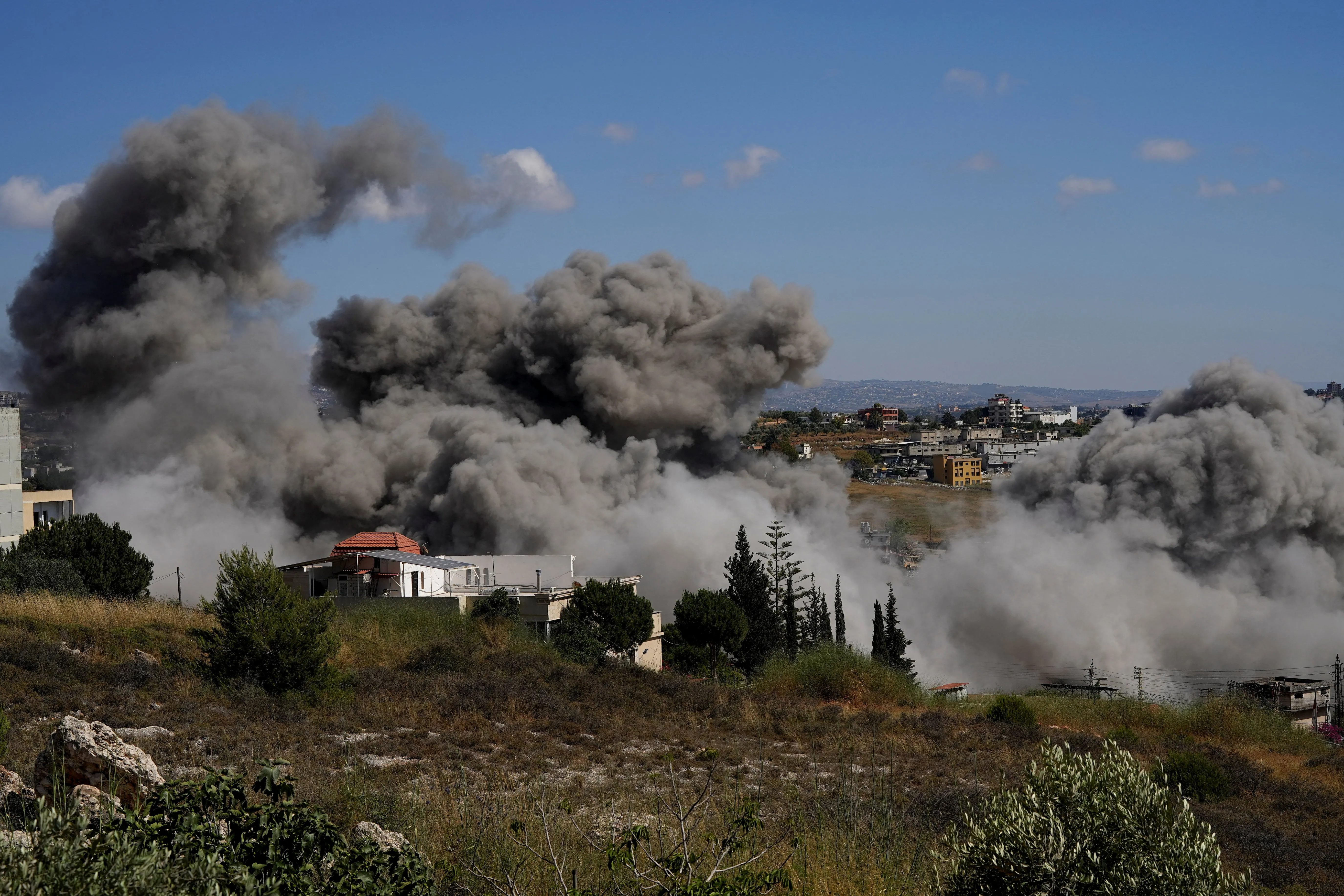
Israel struck targets in southern Lebanon on Saturday, with explosions reported across the region, as the United States announced that a nuclear deal with Iran is set to be signed on Sunday.
The timing places two major Middle East developments in direct collision. Israeli military strikes on Lebanon continued even as Washington moved toward formalizing an agreement with Tehran, the country Israel regards as the primary sponsor of Hezbollah, the Lebanese militant group Israel has been fighting.
The US announcement of a Sunday signing marks a significant moment in diplomacy with Iran. A nuclear deal, if completed, would typically involve limits on Iran's uranium enrichment in exchange for relief from economic sanctions. The exact terms of this agreement have not been specified in available reporting, but the scheduled signing date signals that negotiations have reached a conclusion.
Israel has long opposed US diplomatic engagement with Iran, arguing that any deal that eases financial pressure on Tehran frees up resources Iran can direct toward its regional proxies, including Hezbollah in Lebanon. Saturday's strikes continue a pattern of Israeli military action in Lebanon that intensified sharply in 2024 and has persisted into 2026.
For markets and regional governments, the two events together create a sharp uncertainty. A US-Iran deal could ease oil supply concerns tied to sanctions and reduce the risk premium built into crude prices over fears of broader regional conflict. At the same time, active Israeli strikes on Lebanese territory signal that a diplomatic agreement between Washington and Tehran does not automatically translate into a ceasefire on the ground.
The disconnect between American diplomacy and Israeli military action is not new, but Sunday's signing, if it proceeds, will test how that gap is managed publicly. Israel is a close US ally and has historically received advance notice of major Iran-related diplomatic moves, though it has rarely endorsed them.
The immediate question is whether the deal is signed as scheduled on Sunday and what its core terms are, particularly around uranium enrichment limits, inspection access, and the pace of sanctions relief. A faster sanctions rollback would be more consequential for Iran's ability to fund regional activities, which is the central Israeli concern.
On the Lebanon front, the scope and targets of Saturday's Israeli strikes remain unclear beyond confirmed explosions in the south of the country. Whether this represents a sustained escalation or a more limited operation will shape the diplomatic environment around Sunday's announcement.
Regional governments, particularly Gulf states that have their own complex relationships with both Iran and the US, will be watching how Washington handles Israeli objections in the days immediately following any signing. Any public rupture between the US and Israel over the deal would be a significant geopolitical signal in itself.
For global energy markets, a completed Iran nuclear deal historically has been associated with expectations of increased Iranian oil supply returning to international markets, which tends to put downward pressure on crude prices. Traders will be pricing that possibility against the risk that Israeli military action in Lebanon widens into a broader regional conflict.
Qatar's foreign ministry said mediators including Qatar, Pakistan, and Oman have reached "very progressive stages" in efforts to end the US-Iran war, pushing Brent crude down more than four percent.
Qatar confirmed it is mediating between the US and Iran but said no direct talks are currently planned. The clarification follows conflicting statements from President Trump, who claimed talks are under way, and Tehran, which denied any dialogue is happening.
Saudi Aramco reported sharply higher second-quarter 2026 profits as the Iran war restricts global oil supply and pushes crude prices up. Other oil supermajors also posted outsized earnings, raising concerns about sustained fuel cost pressure for importing economies.
President Trump called current Iran negotiations the "last chance" to end five months of conflict, pushing oil prices higher. Tehran denied formal talks are taking place, raising the risk of a diplomatic breakdown with direct consequences for global energy markets.