
Qatar Signals Progress in US-Iran War Talks
Qatar's foreign ministry said mediators including Qatar, Pakistan, and Oman have reached "very progressive stages" in efforts to end the US-Iran war, pushing Brent crude down more than four percent.
Key Takeaways
May 7, 2026 · 2 min read · By Rishabh Bhardwaj
·
AI-assisted, human-reviewed · Our editorial standards
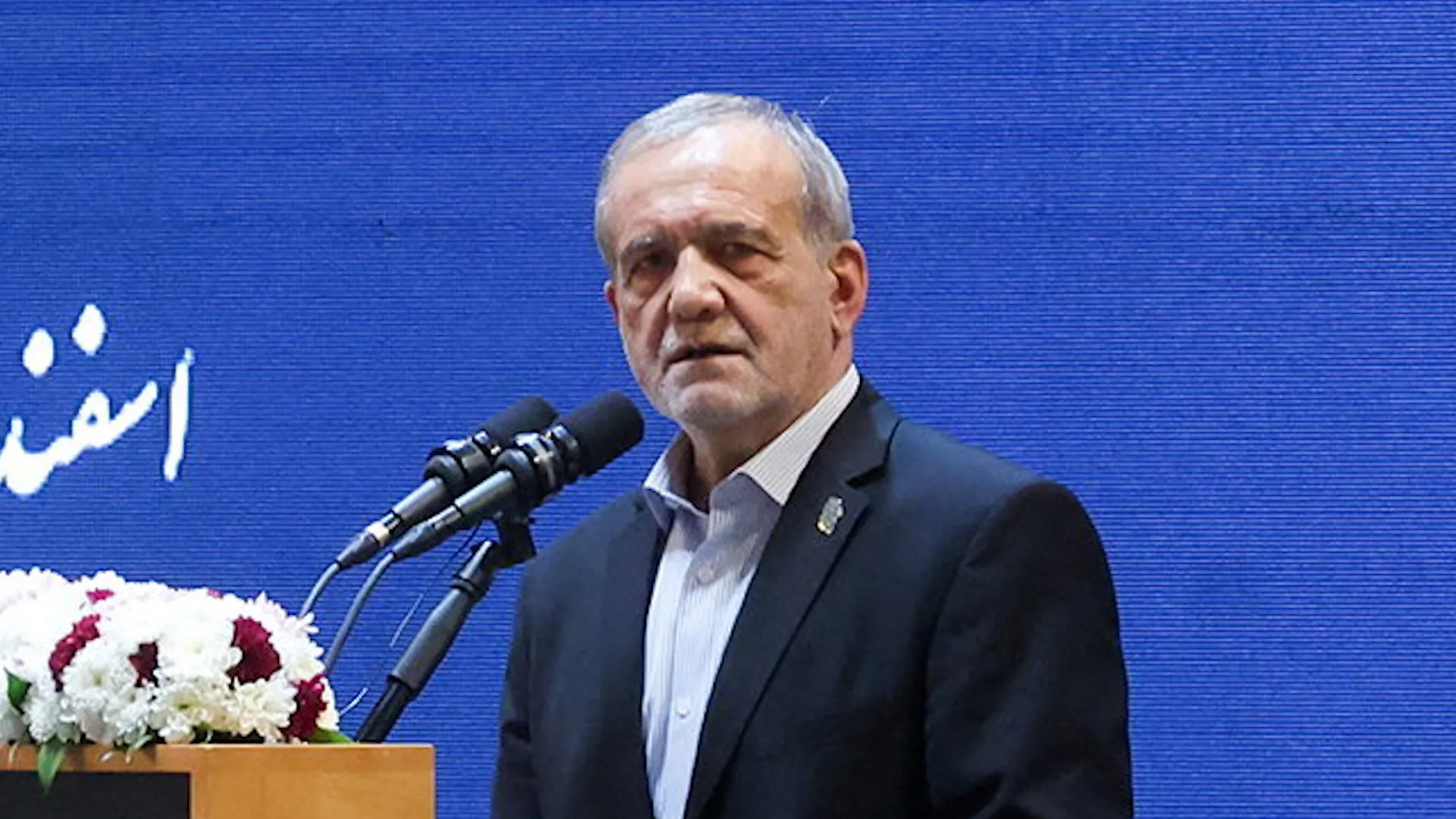
Iranian President Masoud Pezeshkian has confirmed he met with Supreme Leader Mojtaba Khamenei, signaling direct communication between the country's top executive and its highest religious authority.
The meeting is notable largely because of what surrounds it. Iran is navigating a period of significant external pressure, including ongoing nuclear negotiations and economic strain from sanctions. Direct contact between the president and the Supreme Leader at such a moment suggests policy coordination at the highest level, though the substance of their discussions has not been disclosed.
In Iran's political structure, the Supreme Leader holds ultimate authority over foreign policy, the military, and nuclear decisions. The president manages day-to-day governance but operates within boundaries set by the Supreme Leader's office. When the two meet directly, it typically signals alignment, or the need to build it, on a major issue.
Without details on what was discussed, it is difficult to read the meeting as a clear policy signal. But the confirmation of contact itself is worth noting, particularly for observers tracking Iran's nuclear diplomacy and its posture toward the West.
Any public statement from either office following this meeting would carry weight. Shifts in Iran's negotiating position on nuclear talks, changes in its regional posture, or new domestic policy announcements would all be worth tracking against the backdrop of this confirmed exchange.
Qatar's foreign ministry said mediators including Qatar, Pakistan, and Oman have reached "very progressive stages" in efforts to end the US-Iran war, pushing Brent crude down more than four percent.
Qatar confirmed it is mediating between the US and Iran but said no direct talks are currently planned. The clarification follows conflicting statements from President Trump, who claimed talks are under way, and Tehran, which denied any dialogue is happening.
Saudi Aramco reported sharply higher second-quarter 2026 profits as the Iran war restricts global oil supply and pushes crude prices up. Other oil supermajors also posted outsized earnings, raising concerns about sustained fuel cost pressure for importing economies.
President Trump called current Iran negotiations the "last chance" to end five months of conflict, pushing oil prices higher. Tehran denied formal talks are taking place, raising the risk of a diplomatic breakdown with direct consequences for global energy markets.