
Qatar Signals Progress in US-Iran War Talks
Qatar's foreign ministry said mediators including Qatar, Pakistan, and Oman have reached "very progressive stages" in efforts to end the US-Iran war, pushing Brent crude down more than four percent.
Key Takeaways
May 26, 2026 · 3 min read · By Rishabh Bhardwaj
·
AI-assisted, human-reviewed · Our editorial standards
Iran's President Masoud Pezeshkian has ordered the restoration of internet services across the country, ending a period of restricted access that had lasted for months. The move marks a significant policy reversal, given that internet shutdowns have been a standard tool used by Iranian authorities to limit the spread of information during periods of unrest or political pressure.
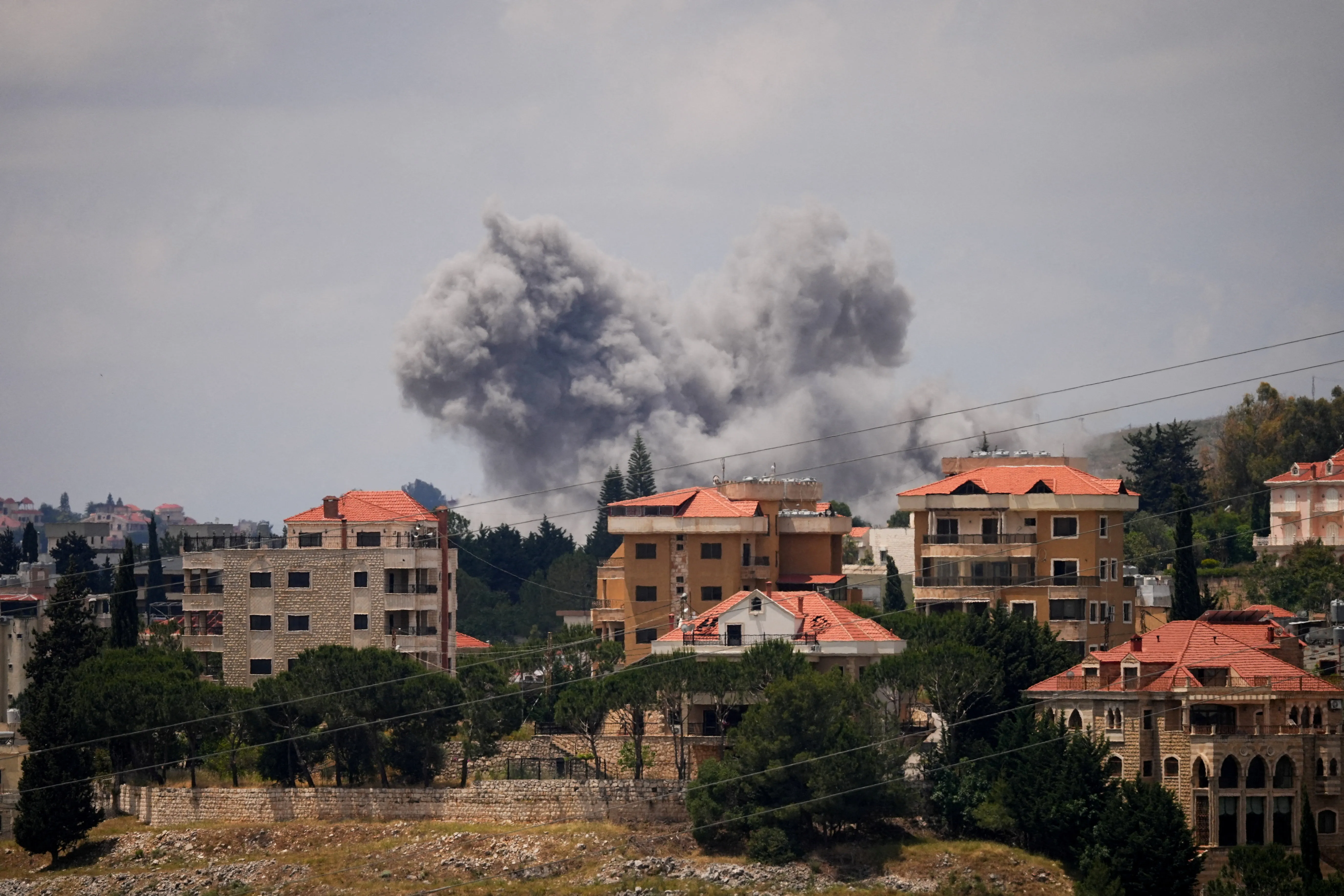
The timing is notable. Iranian officials are currently in Qatar for diplomatic talks, and Israel has been intensifying military operations in Lebanon. Pezeshkian's decision to restore internet access comes as Iran faces heightened international scrutiny and domestic pressure on multiple fronts.
Internet shutdowns are not a passive measure. When a government cuts or throttles access, it disrupts commerce, communication, journalism, and civic life simultaneously. For ordinary Iranians, blocked internet means no access to messaging apps, foreign news, banking apps tied to global services, and tools used for remote work or education. Months of restricted access represents a sustained, deliberate squeeze on public information flow, not a brief technical outage.
Iran has a documented history of using internet restrictions during politically sensitive moments. The move to restore services suggests either that the immediate trigger for the shutdown has passed in the government's assessment, or that external diplomatic context, including the Qatar talks, has created incentives to project a less restrictive posture.
Restoring internet access is a concrete, visible action with real consequences for millions of people inside Iran. It reopens channels for communication that were deliberately closed, which affects how information moves, how civil society organizes, and how businesses operate. It also signals something about the government's current confidence in managing domestic information flow without the blunt instrument of a shutdown.
The broader regional picture adds weight to this decision. With Israeli military strikes continuing in Lebanon and Iranian officials engaged in diplomatic activity in Qatar, Tehran is navigating a complex moment that involves both military escalation nearby and active back-channel or formal diplomacy. Restoring internet access at this juncture could be read as a gesture of normalcy or openness, though the government's exact reasoning is not stated.
For markets and businesses with any exposure to Iran, restored connectivity can ease friction in whatever limited transactions are possible under current sanctions. For the Iranian population, the practical lift is immediate: communication tools, access to information, and digital services that were blocked become available again.
What to watch next is whether the restoration is full and sustained, or whether access is selectively restored while certain platforms or services remain blocked. Iran has previously allowed partial connectivity while keeping specific apps or VPN access restricted. The durability of this order and its scope will determine whether it represents a genuine policy shift or a temporary adjustment tied to the current diplomatic moment.
Qatar's foreign ministry said mediators including Qatar, Pakistan, and Oman have reached "very progressive stages" in efforts to end the US-Iran war, pushing Brent crude down more than four percent.
Qatar confirmed it is mediating between the US and Iran but said no direct talks are currently planned. The clarification follows conflicting statements from President Trump, who claimed talks are under way, and Tehran, which denied any dialogue is happening.
Saudi Aramco reported sharply higher second-quarter 2026 profits as the Iran war restricts global oil supply and pushes crude prices up. Other oil supermajors also posted outsized earnings, raising concerns about sustained fuel cost pressure for importing economies.
President Trump called current Iran negotiations the "last chance" to end five months of conflict, pushing oil prices higher. Tehran denied formal talks are taking place, raising the risk of a diplomatic breakdown with direct consequences for global energy markets.