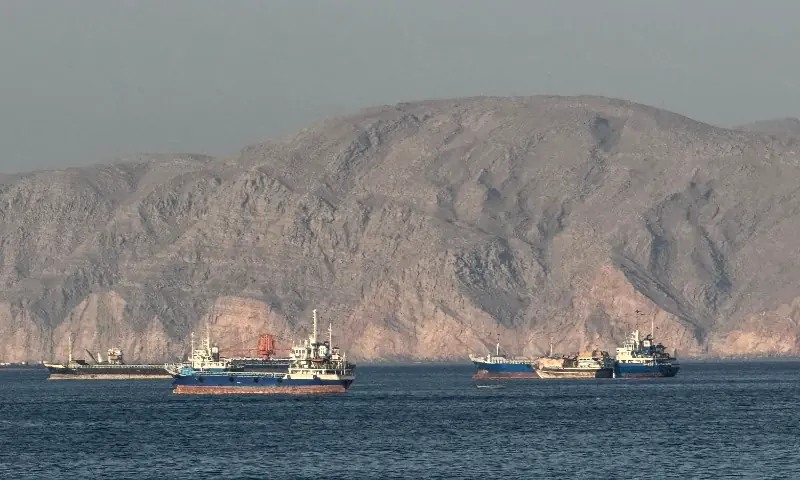
Qatar Signals Progress in US-Iran War Talks
Qatar's foreign ministry said mediators including Qatar, Pakistan, and Oman have reached "very progressive stages" in efforts to end the US-Iran war, pushing Brent crude down more than four percent.
Key Takeaways
May 10, 2026 · 2 min read · By Rishabh Bhardwaj
·
AI-assisted, human-reviewed · Our editorial standards
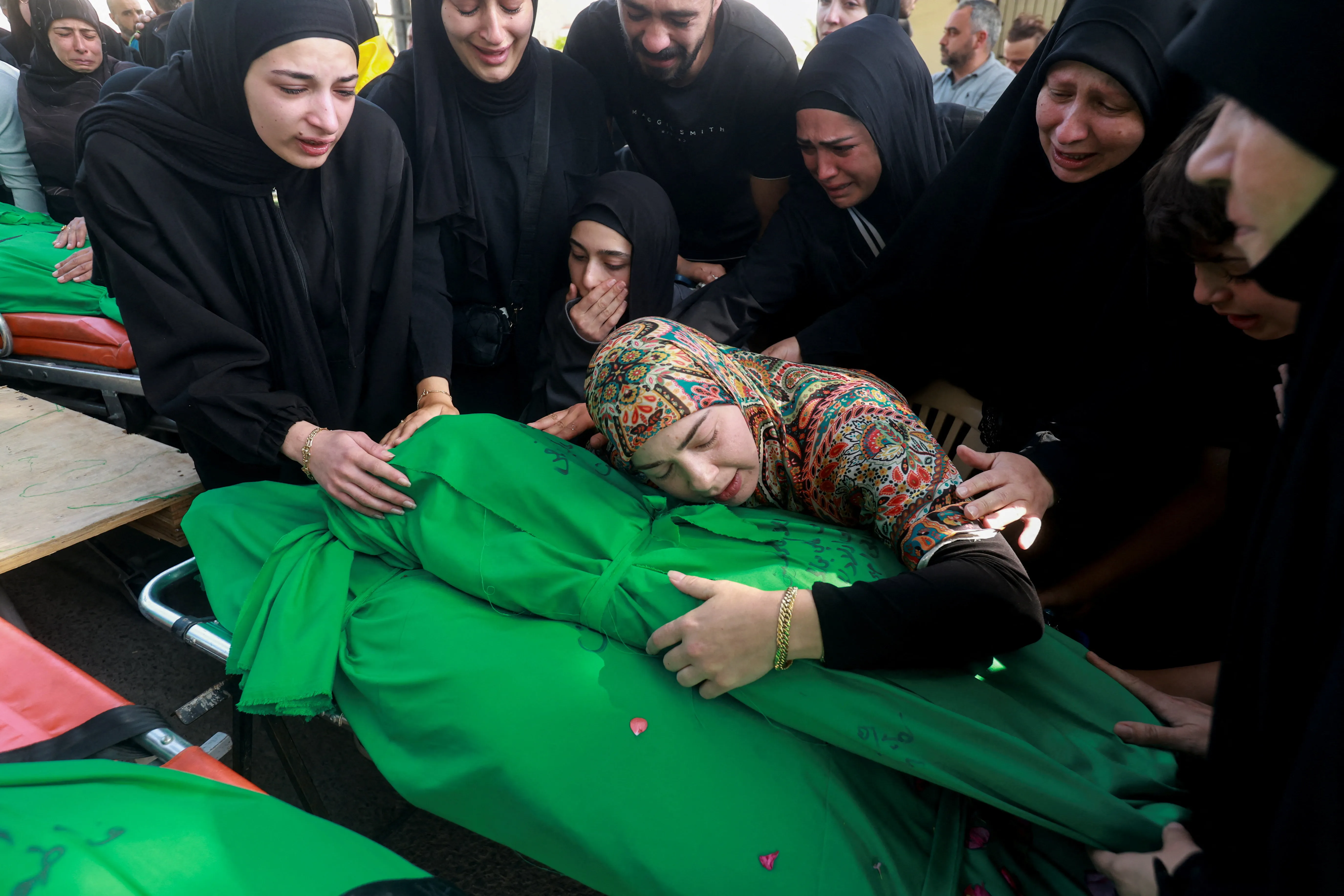
Israel carried out strikes in Lebanon on Thursday that killed at least 24 people, as the wider diplomatic effort to end the Gaza war stalled on Tehran's silence over a U.S. proposal.
The Lebanon strikes mark a continued Israeli military tempo on its northern front, separate from but linked to the broader regional conflict now in its 72nd day. No breakdown of the casualties, combatants versus civilians, was available from the source, but the death toll underlines that active fighting persists on multiple fronts simultaneously.
Washington has put a ceasefire or war-ending framework on the table, but Iran has not yet responded. Tehran's reply matters because Iran-backed groups, including Hezbollah in Lebanon and Hamas in Gaza, take cues, financial, military, and political, from Iranian leadership. A formal Iranian position would either open a path to negotiation or signal continued escalation.
The wait for Tehran's answer has become a bottleneck. Without it, no broader regional deal is possible, and fighting on multiple fronts, Gaza, Lebanon, and the threat of direct Iran-Israel exchanges, continues to simmer.
Israel and Hezbollah have traded fire across the Lebanon border throughout the Gaza conflict. Israeli strikes in Lebanon are aimed at degrading Hezbollah's capacity to open a sustained second front. Each day of strikes also raises the cost of any eventual ceasefire negotiation, as both sides accumulate leverage through battlefield position.
For markets and the region, the key variable is whether Iran's eventual response moves toward diplomacy or doubles down on proxy engagement. Oil markets, already sensitive to any hint of wider Middle East escalation, will watch Tehran's next move closely. A prolonged non-answer from Iran keeps risk premiums elevated without triggering the sharper spike that a direct confrontation would cause.
The next concrete signal to watch is Iran's formal response to the U.S. plan, which will determine whether diplomatic channels stay open or the conflict expands further into its third month.
Qatar's foreign ministry said mediators including Qatar, Pakistan, and Oman have reached "very progressive stages" in efforts to end the US-Iran war, pushing Brent crude down more than four percent.
Qatar confirmed it is mediating between the US and Iran but said no direct talks are currently planned. The clarification follows conflicting statements from President Trump, who claimed talks are under way, and Tehran, which denied any dialogue is happening.
Saudi Aramco reported sharply higher second-quarter 2026 profits as the Iran war restricts global oil supply and pushes crude prices up. Other oil supermajors also posted outsized earnings, raising concerns about sustained fuel cost pressure for importing economies.
President Trump called current Iran negotiations the "last chance" to end five months of conflict, pushing oil prices higher. Tehran denied formal talks are taking place, raising the risk of a diplomatic breakdown with direct consequences for global energy markets.