
Qatar Signals Progress in US-Iran War Talks
Qatar's foreign ministry said mediators including Qatar, Pakistan, and Oman have reached "very progressive stages" in efforts to end the US-Iran war, pushing Brent crude down more than four percent.
Key Takeaways
May 7, 2026 · 2 min read · By Rishabh Bhardwaj
·
AI-assisted, human-reviewed · Our editorial standards
Iran is reviewing a formal US proposal on its nuclear program, delivered through Pakistan as an intermediary, as direct and indirect negotiations between Washington and Tehran continue into their 69th day. President Donald Trump said the talks are progressing, a rare public signal of optimism from the US side.
Pakistan's role as a go-between is notable. Washington and Tehran have no direct diplomatic relations, so third-party channels are essential for passing written proposals. Using Pakistan adds a layer of deniability for both sides while keeping formal communications open. The fact that a written US proposal is now in Iranian hands marks a concrete step beyond general dialogue.
The core issue remains Iran's nuclear enrichment program. The US wants limits on enrichment levels and stockpiles; Iran wants sanctions relief and security guarantees in return. Any deal would need to address verification mechanisms, timelines, and what happens if either side walks away, all points that have derailed prior agreements, including the 2015 JCPOA.
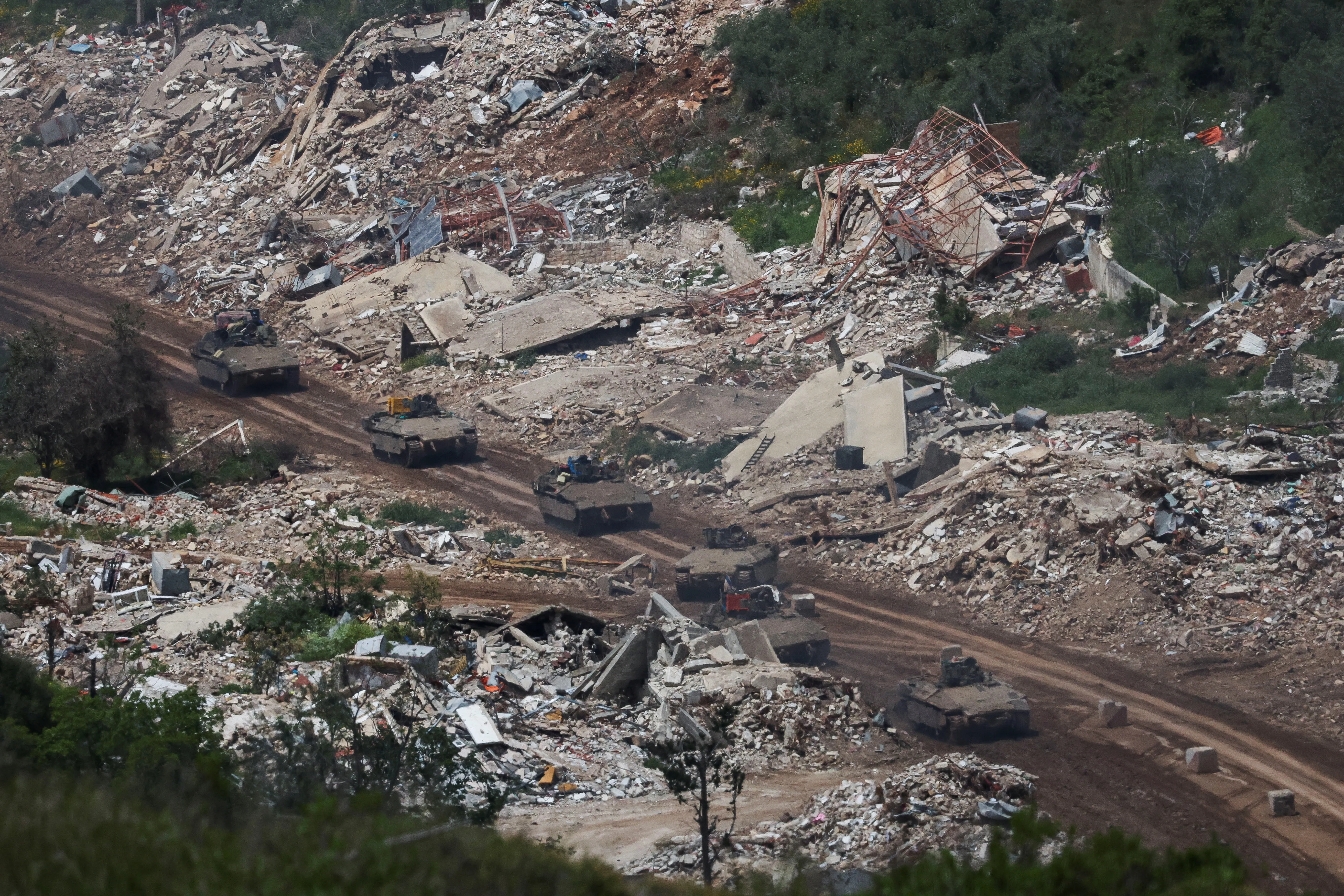
While nuclear talks move forward, Israel bombed Beirut, adding regional tension to an already complicated diplomatic picture. Israeli strikes on Lebanon have continued despite a ceasefire agreement reached late last year. The timing matters: escalation in Lebanon can harden political positions in Tehran and make Iranian concessions domestically harder to sell.
For markets, a credible US-Iran nuclear agreement would be the single largest near-term driver of global oil supply expectations. A deal that lifts sanctions on Iranian crude could add over one million barrels per day to world supply, putting downward pressure on oil prices. Energy stocks and petrostates would feel that shift quickly.
What to watch: Iran's formal response to the US proposal, any indication of whether Tehran's review is substantive or a delay tactic, and whether Israeli military activity in Lebanon escalates further before any deal framework is announced.
Qatar's foreign ministry said mediators including Qatar, Pakistan, and Oman have reached "very progressive stages" in efforts to end the US-Iran war, pushing Brent crude down more than four percent.
Qatar confirmed it is mediating between the US and Iran but said no direct talks are currently planned. The clarification follows conflicting statements from President Trump, who claimed talks are under way, and Tehran, which denied any dialogue is happening.
Saudi Aramco reported sharply higher second-quarter 2026 profits as the Iran war restricts global oil supply and pushes crude prices up. Other oil supermajors also posted outsized earnings, raising concerns about sustained fuel cost pressure for importing economies.
President Trump called current Iran negotiations the "last chance" to end five months of conflict, pushing oil prices higher. Tehran denied formal talks are taking place, raising the risk of a diplomatic breakdown with direct consequences for global energy markets.