
Qatar Signals Progress in US-Iran War Talks
Qatar's foreign ministry said mediators including Qatar, Pakistan, and Oman have reached "very progressive stages" in efforts to end the US-Iran war, pushing Brent crude down more than four percent.
Key Takeaways
June 14, 2026 · 3 min read · By Rishabh Bhardwaj
·
AI-assisted, human-reviewed · Our editorial standards
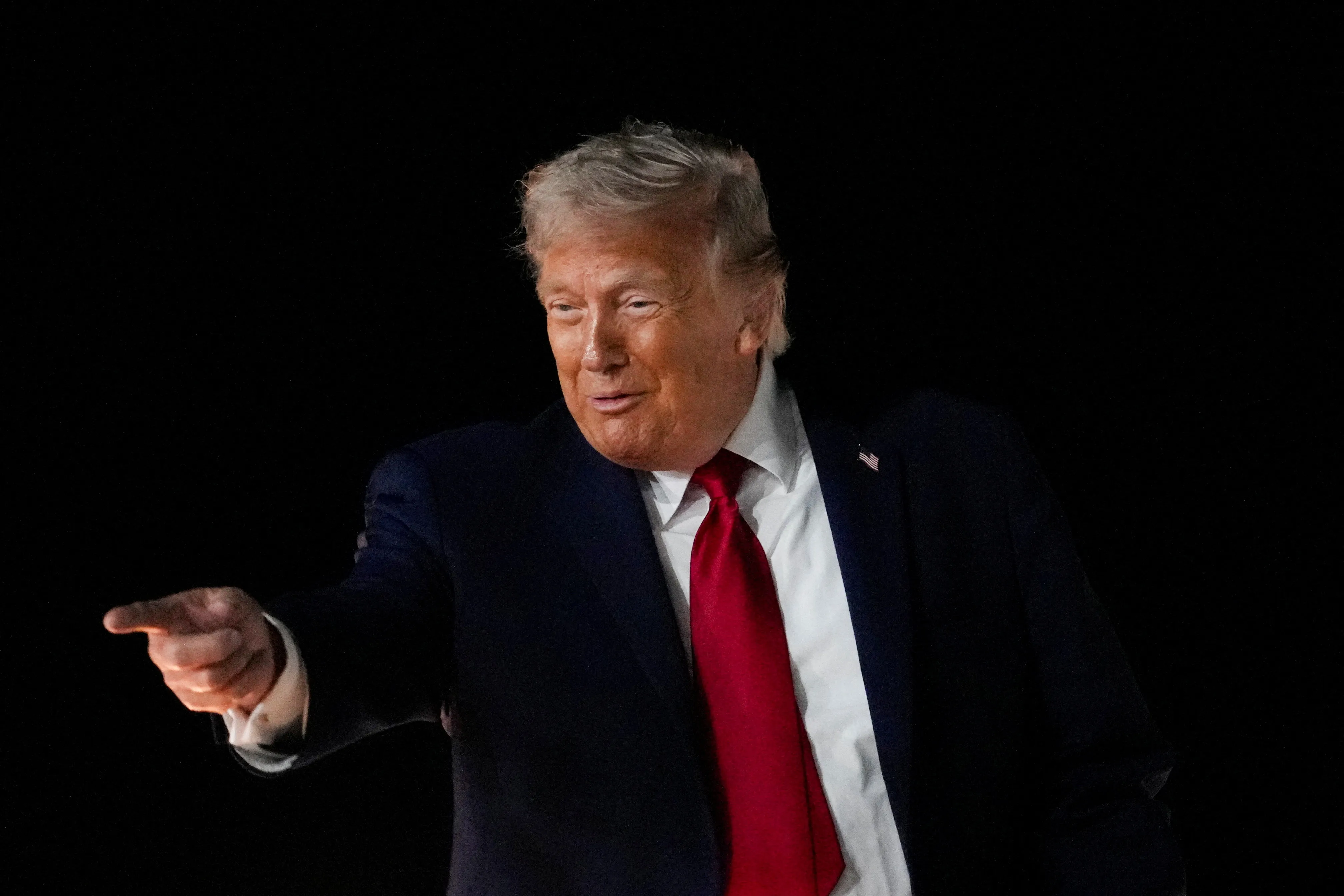
President Donald Trump has called off planned military strikes on Iran, saying negotiations are close to producing a deal and that Tehran is actively reviewing a US proposal. The announcement marks a significant pause in what has been a sustained American military campaign against Iran, now in its 105th day.
Trump's decision to halt the attacks came alongside signals from both sides that diplomatic channels remain open. Iran is said to be considering a US-drafted framework, though no agreement has been announced. The timing suggests the threat of strikes on Kharg Island, Iran's most critical oil export terminal, served as leverage rather than an immediate military objective.
Kharg Island sits in the northern Persian Gulf and handles the vast majority of Iran's crude oil exports. Any sustained damage to the facility would severely curtail Iran's ability to earn foreign currency, fund its government, and supply regional allies. The threat of striking it is among the most economically coercive options available to the United States short of a full naval blockade. That Trump raised it and then stepped back suggests it was deployed as a pressure point in the negotiating process rather than a committed military plan.
The pause in attacks is conditional, not a ceasefire. Trump has not ruled out resuming strikes if talks collapse. The 105-day conflict has already involved repeated US strikes on Iranian military and nuclear infrastructure, making this halt a notable but fragile development.
Details of the proposed US deal have not been made public. What is known is that Tehran is reviewing it, which represents a meaningful step given that Iran has repeatedly rejected American terms in prior rounds of pressure. The review alone does not guarantee acceptance, and Iranian leadership faces significant internal pressure not to appear to capitulate under military threat.
The diplomatic window is narrow. Each day without a breakthrough increases the risk that either side recalculates its position. Iran's willingness to look at the proposal, and Trump's willingness to pause strikes while it does so, creates a fragile but real opening.
For global oil markets, the situation remains acutely sensitive. Kharg Island's potential involvement in strikes had already contributed to elevated risk premiums in crude pricing. A halt in attacks, if sustained, could ease some of that pressure, but traders will watch closely for any sign that talks are breaking down. A resumption of strikes, particularly against Kharg, would almost certainly send oil prices sharply higher and disrupt shipping through the Persian Gulf.
The broader regional picture is also in flux. Gulf states, European governments, and Asian economies that depend heavily on Gulf oil flows all have strong reasons to want a negotiated outcome. Outside pressure on Tehran to engage seriously with the US proposal may intensify in the days ahead.
What to watch: whether Iran formally responds to the US proposal, any public statements from Iranian leadership that signal acceptance or rejection, and whether Trump sets any deadline for resumed military action if talks stall. The next 48 to 72 hours are likely to be the most telling period in determining whether this pause holds.
Qatar's foreign ministry said mediators including Qatar, Pakistan, and Oman have reached "very progressive stages" in efforts to end the US-Iran war, pushing Brent crude down more than four percent.
Qatar confirmed it is mediating between the US and Iran but said no direct talks are currently planned. The clarification follows conflicting statements from President Trump, who claimed talks are under way, and Tehran, which denied any dialogue is happening.
Saudi Aramco reported sharply higher second-quarter 2026 profits as the Iran war restricts global oil supply and pushes crude prices up. Other oil supermajors also posted outsized earnings, raising concerns about sustained fuel cost pressure for importing economies.
President Trump called current Iran negotiations the "last chance" to end five months of conflict, pushing oil prices higher. Tehran denied formal talks are taking place, raising the risk of a diplomatic breakdown with direct consequences for global energy markets.