
Qatar Signals Progress in US-Iran War Talks
Qatar's foreign ministry said mediators including Qatar, Pakistan, and Oman have reached "very progressive stages" in efforts to end the US-Iran war, pushing Brent crude down more than four percent.
Key Takeaways
May 1, 2026 · 2 min read · By Rishabh Bhardwaj
·
AI-assisted, human-reviewed · Our editorial standards
Iran has sent a negotiation proposal to the United States through Pakistan, which is acting as a back-channel mediator between the two countries, which have no formal diplomatic ties.
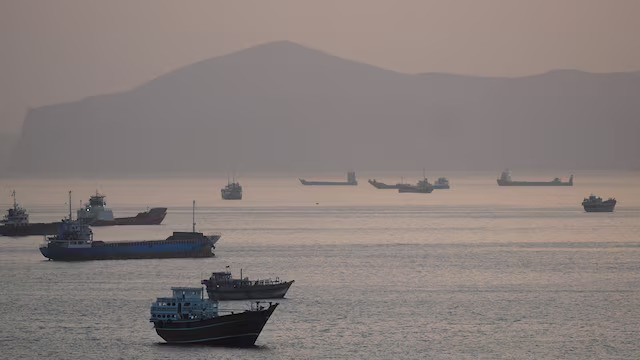
The move comes against a backdrop of significant economic pressure on Tehran. The US Navy has been actively blocking exports of Iranian crude oil, cutting off a critical revenue stream for the Iranian government. At the same time, a blockade of a key sea channel has disrupted roughly 20 percent of the world's oil and gas supplies, tightening energy markets globally.
Pakistan has historically maintained working relationships with both Iran and the United States, making it a practical choice for passing messages when direct contact is not possible. The use of a mediator signals that neither side is ready for open talks, but both may be willing to test the other's position at arm's length.
The content of Iran's proposal has not been disclosed, so it is not yet clear what Tehran is offering or requesting in return. The proposal's existence alone, however, suggests Iran is looking for some form of relief from the pressure it is under.
A blockade cutting off one-fifth of global oil and gas supplies is a significant supply shock. Energy markets are sensitive to even smaller disruptions, and a sustained interruption of this scale can push fuel costs higher for importers worldwide, including India, which relies heavily on affordable crude oil to manage its import bill and inflation.
The combination of reduced Iranian exports and the broader sea-lane blockade creates layered pressure on global supply. If negotiations advance and sanctions or naval enforcement ease, some of that pressure could lift. If talks stall, energy markets may remain volatile.
The immediate question is whether Washington responds to the proposal, and on what terms. Any US reply, or deliberate silence, will signal how seriously the Biden administration is treating the opening.
Qatar's foreign ministry said mediators including Qatar, Pakistan, and Oman have reached "very progressive stages" in efforts to end the US-Iran war, pushing Brent crude down more than four percent.
Qatar confirmed it is mediating between the US and Iran but said no direct talks are currently planned. The clarification follows conflicting statements from President Trump, who claimed talks are under way, and Tehran, which denied any dialogue is happening.
Saudi Aramco reported sharply higher second-quarter 2026 profits as the Iran war restricts global oil supply and pushes crude prices up. Other oil supermajors also posted outsized earnings, raising concerns about sustained fuel cost pressure for importing economies.
President Trump called current Iran negotiations the "last chance" to end five months of conflict, pushing oil prices higher. Tehran denied formal talks are taking place, raising the risk of a diplomatic breakdown with direct consequences for global energy markets.