
Qatar Signals Progress in US-Iran War Talks
Qatar's foreign ministry said mediators including Qatar, Pakistan, and Oman have reached "very progressive stages" in efforts to end the US-Iran war, pushing Brent crude down more than four percent.
Key Takeaways
May 11, 2026 · 2 min read · By Rishabh Bhardwaj
·
AI-assisted, human-reviewed · Our editorial standards
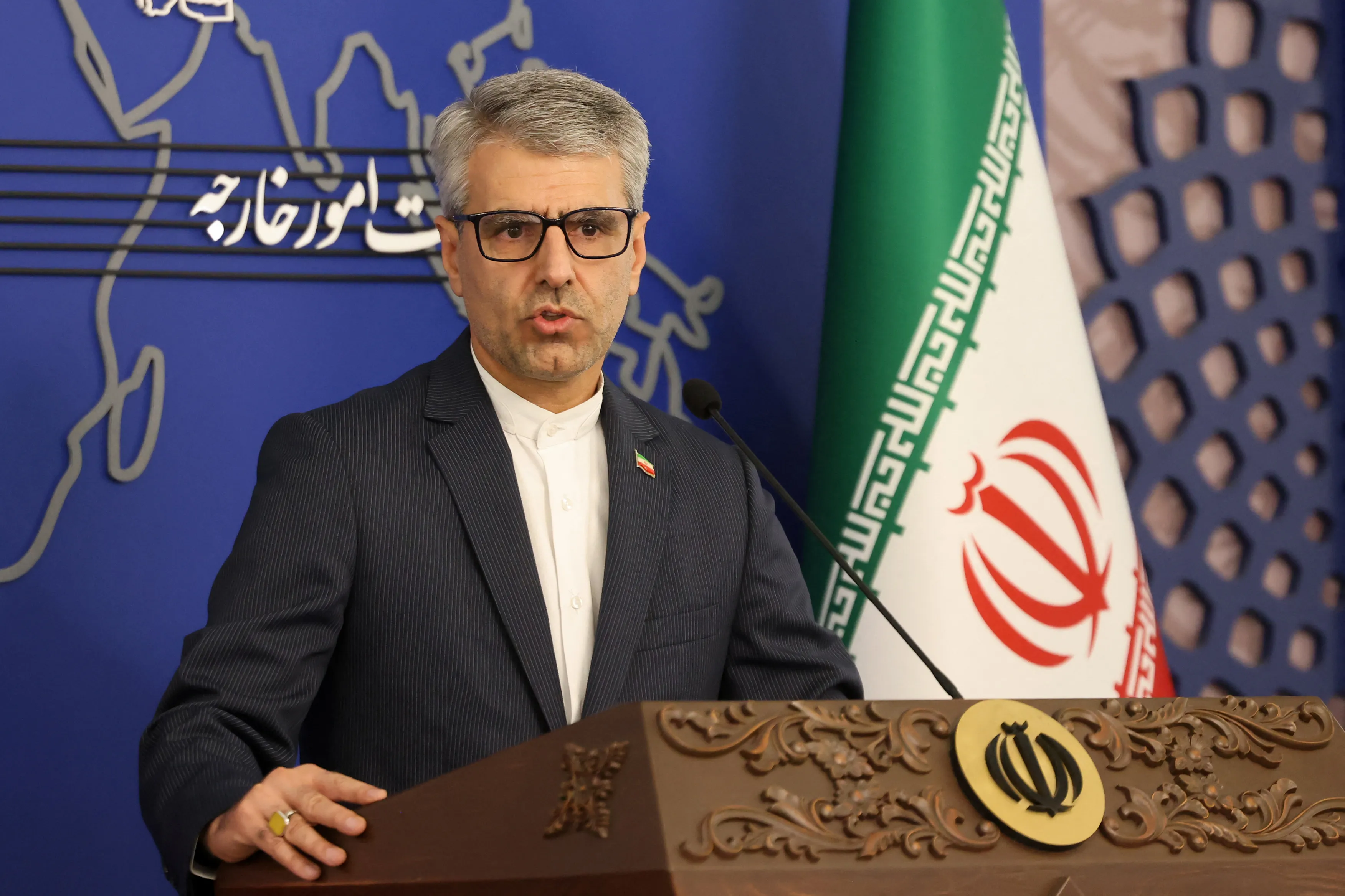
Iran's foreign ministry has pushed back against the United States, calling American demands in ongoing nuclear and conflict negotiations "unreasonable." Spokesman Esmaeil Baghaei said Iran's own proposal, which includes steps to end the current conflict and unblock the Strait of Hormuz, is generous and should be taken seriously.
The Strait of Hormuz is one of the world's most critical shipping lanes. Roughly 20% of global oil trade passes through it daily, connecting Gulf producers like Saudi Arabia, Iraq, and the UAE to international markets. Any disruption there hits oil prices fast and broadly.
Baghaei did not detail the specific terms Iran put forward, but framed the proposal as a meaningful concession that addresses both the military conflict and the strait's status. Iran has previously used the threat of closing Hormuz as leverage during periods of high tension with the US and Israel.
The talks appear to be at a sticking point. Iran's characterization of US demands as "unreasonable" suggests the two sides remain far apart on core conditions, likely around uranium enrichment limits, sanctions relief, and security guarantees, though the source does not specify exact US positions.
The inclusion of Hormuz in Iran's proposal is the detail with the clearest market relevance. If the strait were blocked or significantly disrupted, oil supply from the Gulf would tighten immediately, pushing prices higher globally. Insurance and shipping costs for tankers in the region would spike as well. Conversely, a credible deal that formally takes Hormuz off the table as a pressure point would reduce the geopolitical risk premium currently baked into oil prices.
For India, the stakes are direct. India is one of the largest buyers of Gulf crude and relies heavily on the Hormuz corridor for energy imports. A prolonged closure or even persistent threat of one would pressure the rupee, widen the trade deficit, and raise domestic fuel costs.
The signal to watch is whether either side responds publicly with a counter-proposal or a specific list of demands. Right now, the exchange is rhetorical, Iran calling US terms unreasonable, with no confirmed US response in the source. Until concrete terms surface or a new round of talks is scheduled, the negotiation appears stalled.
Qatar's foreign ministry said mediators including Qatar, Pakistan, and Oman have reached "very progressive stages" in efforts to end the US-Iran war, pushing Brent crude down more than four percent.
Qatar confirmed it is mediating between the US and Iran but said no direct talks are currently planned. The clarification follows conflicting statements from President Trump, who claimed talks are under way, and Tehran, which denied any dialogue is happening.
Saudi Aramco reported sharply higher second-quarter 2026 profits as the Iran war restricts global oil supply and pushes crude prices up. Other oil supermajors also posted outsized earnings, raising concerns about sustained fuel cost pressure for importing economies.
President Trump called current Iran negotiations the "last chance" to end five months of conflict, pushing oil prices higher. Tehran denied formal talks are taking place, raising the risk of a diplomatic breakdown with direct consequences for global energy markets.