
Qatar Signals Progress in US-Iran War Talks
Qatar's foreign ministry said mediators including Qatar, Pakistan, and Oman have reached "very progressive stages" in efforts to end the US-Iran war, pushing Brent crude down more than four percent.
Key Takeaways
May 11, 2026 · 2 min read · By Rishabh Bhardwaj
·
AI-assisted, human-reviewed · Our editorial standards
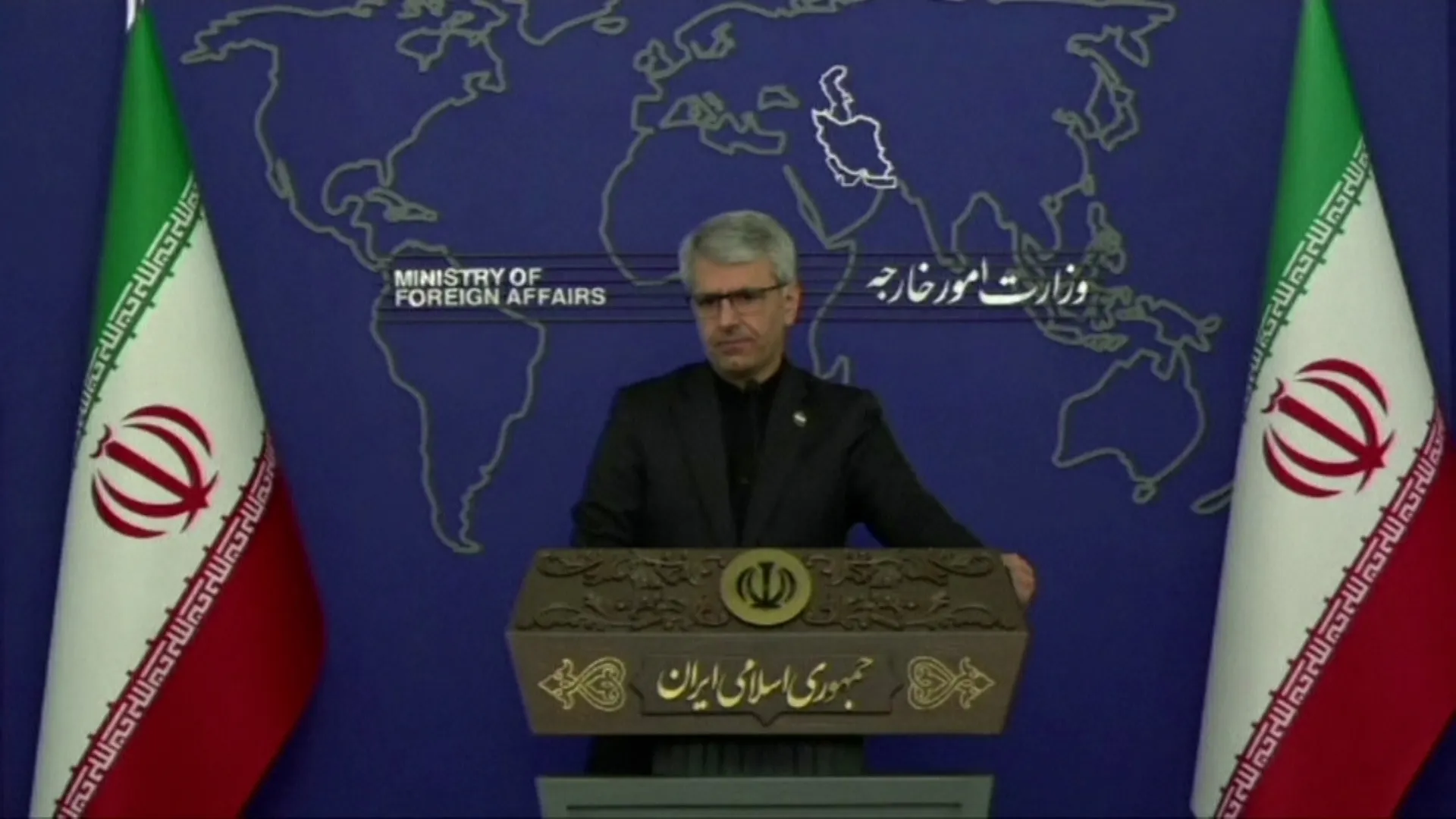
Iran's foreign ministry spokesman Esmaeil Baqaei said the country's latest response in nuclear talks was dismissed by the United States, and accused Washington of making demands he called unreasonable.
Baqaei framed Iran's position as aimed at reaching a peaceful outcome, drawing a direct contrast with what he described as unworkable conditions from the US side. He did not specify which demands were at issue or what Iran's response contained.
The exchange marks a public hardening of positions on both sides. Iran choosing to characterize US demands as unreasonable through an official spokesman suggests the gap between the two parties is significant enough that Tehran wants it on the record.
The statement gives little detail on the substance of negotiations, what Iran offered, what the US rejected, or whether a next round of talks is scheduled. That absence of detail makes it difficult to assess how close or far apart the two sides actually are.
Any breakdown in nuclear talks carries direct consequences for global oil markets, given Iran's export capacity and the effect of sanctions on supply. A sustained stalemate also raises the risk of renewed pressure campaigns from Washington, which could include tighter enforcement of existing oil sanctions.
For now, the public blame-trading signals friction but not a formal collapse of talks. Whether either side moves to de-escalate or escalates rhetoric further will be the key signal in the days ahead.
Qatar's foreign ministry said mediators including Qatar, Pakistan, and Oman have reached "very progressive stages" in efforts to end the US-Iran war, pushing Brent crude down more than four percent.
Qatar confirmed it is mediating between the US and Iran but said no direct talks are currently planned. The clarification follows conflicting statements from President Trump, who claimed talks are under way, and Tehran, which denied any dialogue is happening.
Saudi Aramco reported sharply higher second-quarter 2026 profits as the Iran war restricts global oil supply and pushes crude prices up. Other oil supermajors also posted outsized earnings, raising concerns about sustained fuel cost pressure for importing economies.
President Trump called current Iran negotiations the "last chance" to end five months of conflict, pushing oil prices higher. Tehran denied formal talks are taking place, raising the risk of a diplomatic breakdown with direct consequences for global energy markets.