
Qatar Signals Progress in US-Iran War Talks
Qatar's foreign ministry said mediators including Qatar, Pakistan, and Oman have reached "very progressive stages" in efforts to end the US-Iran war, pushing Brent crude down more than four percent.
Key Takeaways
May 4, 2026 · 2 min read · By Rishabh Bhardwaj
·
AI-assisted, human-reviewed · Our editorial standards
Iranian state media reported that two missiles struck a US Navy destroyer, claiming the strike was intended to stop the vessel from entering the Strait of Hormuz. The report comes from Iranian state sources, and independent confirmation of the claim has not been established in the available information.
According to Iranian state media, Iran fired two missiles that hit the US warship. The stated reason was to block the destroyer's passage into the Strait of Hormuz, one of the world's most strategically critical waterways. Roughly 20% of global oil trade passes through the strait, making any military confrontation there a serious concern for energy markets and global shipping.
The US side's account, casualty figures, and the condition of the vessel have not been reported in the available source material. It is not clear whether the ship was damaged, whether there were injuries, or what the vessel's mission was at the time.
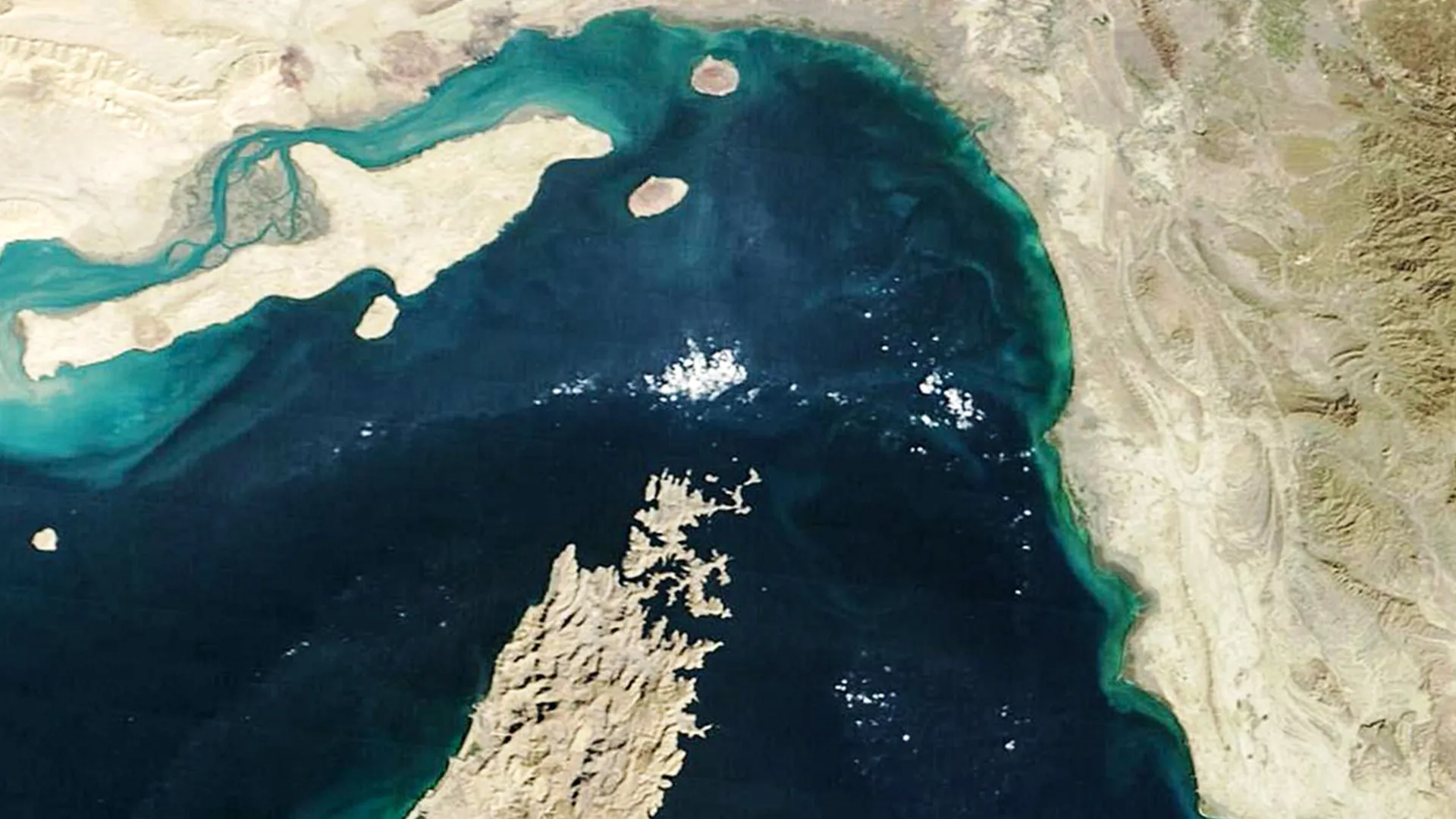
The Strait of Hormuz sits between Iran and Oman and connects the Persian Gulf to the open ocean. It is the only sea route out of the Gulf for major oil exporters including Saudi Arabia, Iraq, Kuwait, and the UAE. Any disruption to traffic through the strait, whether from blockade, mining, or military action, can trigger sharp moves in oil prices and affect global supply chains almost immediately.
Iran has periodically threatened to close the strait during periods of heightened tension with the United States. A direct missile strike on a US Navy vessel, if confirmed, would mark a significant escalation beyond past incidents, which have included drone harassment, tanker seizures, and proxy attacks across the region.
The immediate questions are whether the US government confirms the strike, what damage was sustained, and how Washington chooses to respond. Any military reply or formal diplomatic escalation would be the key thing to watch. Oil markets and US defence stocks are likely to react sharply if the claim is independently verified and an exchange of fire follows.
Qatar's foreign ministry said mediators including Qatar, Pakistan, and Oman have reached "very progressive stages" in efforts to end the US-Iran war, pushing Brent crude down more than four percent.
Qatar confirmed it is mediating between the US and Iran but said no direct talks are currently planned. The clarification follows conflicting statements from President Trump, who claimed talks are under way, and Tehran, which denied any dialogue is happening.
Saudi Aramco reported sharply higher second-quarter 2026 profits as the Iran war restricts global oil supply and pushes crude prices up. Other oil supermajors also posted outsized earnings, raising concerns about sustained fuel cost pressure for importing economies.
President Trump called current Iran negotiations the "last chance" to end five months of conflict, pushing oil prices higher. Tehran denied formal talks are taking place, raising the risk of a diplomatic breakdown with direct consequences for global energy markets.