
Qatar Signals Progress in US-Iran War Talks
Qatar's foreign ministry said mediators including Qatar, Pakistan, and Oman have reached "very progressive stages" in efforts to end the US-Iran war, pushing Brent crude down more than four percent.
Key Takeaways
May 10, 2026 · 2 min read · By Rishabh Bhardwaj
·
AI-assisted, human-reviewed · Our editorial standards
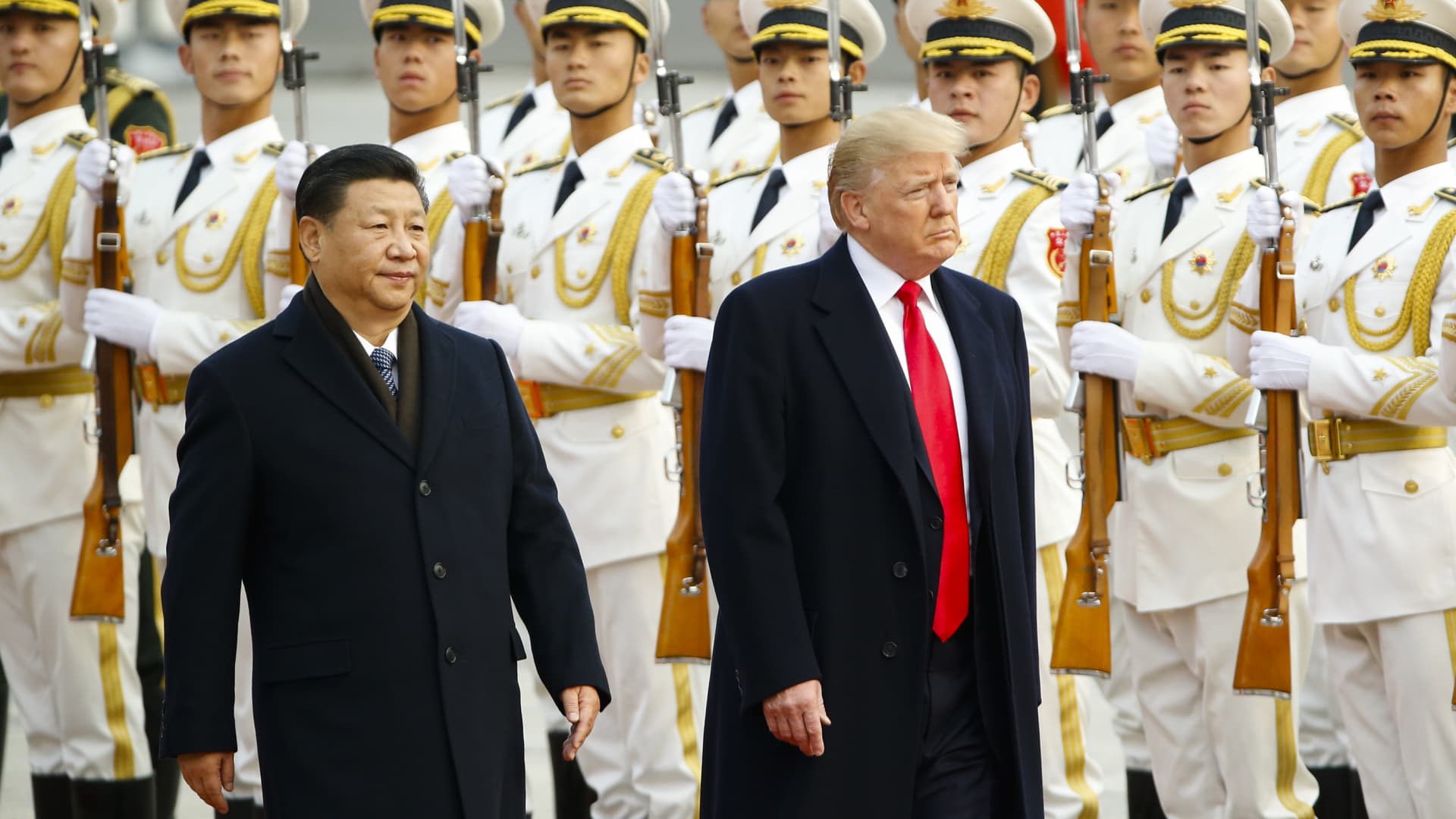
A planned summit between Donald Trump and Xi Jinping may yield less on trade and supply chains than U.S. businesses had hoped, because Iran has moved to the top of the agenda.
The U.S. military struck Iranian nuclear sites in mid-June, and Washington is now pressing Beijing to use its leverage over Tehran to help end the conflict. That diplomatic pressure is crowding out the economic issues that American companies most want resolved, chiefly tariffs and access to rare earth minerals.
Rare earths are a group of metals essential to electric vehicles, semiconductors, defense systems, and consumer electronics. China controls the majority of global processing capacity, giving Beijing enormous leverage in any trade standoff. Earlier this year, China restricted exports of several rare earth elements as part of its response to U.S. tariffs, squeezing American manufacturers and defense contractors who depend on steady supply.
A productive Trump-Xi meeting was seen as one of the most direct paths to easing those restrictions. But if the two leaders spend most of their time on Iran, that conversation gets pushed back, or reduced to a side note.
Businesses tracking the summit had been watching for movement on tariff rollbacks, rare earth export licenses, and broader supply chain agreements. With Iran dominating the diplomatic bandwidth, progress on any of those fronts looks less likely in the near term. Companies that had been waiting for policy signals before committing to sourcing or investment decisions now face continued uncertainty.
There is also a structural tension here. The U.S. wants China's help on Iran precisely because China has economic and diplomatic ties with Tehran that Washington lacks. But asking Beijing for a geopolitical favor while simultaneously maintaining steep tariffs on Chinese goods is a difficult ask, and Beijing has shown little appetite for concessions without reciprocity.
The summit's outcome will depend on whether Trump and Xi can compartmentalize the two tracks, Iran on one side, trade on the other, or whether progress on one becomes a bargaining chip for the other. Either way, American manufacturers, tech firms, and defense suppliers relying on Chinese rare earths are unlikely to get the clarity they were counting on anytime soon.
Qatar's foreign ministry said mediators including Qatar, Pakistan, and Oman have reached "very progressive stages" in efforts to end the US-Iran war, pushing Brent crude down more than four percent.
Qatar confirmed it is mediating between the US and Iran but said no direct talks are currently planned. The clarification follows conflicting statements from President Trump, who claimed talks are under way, and Tehran, which denied any dialogue is happening.
Saudi Aramco reported sharply higher second-quarter 2026 profits as the Iran war restricts global oil supply and pushes crude prices up. Other oil supermajors also posted outsized earnings, raising concerns about sustained fuel cost pressure for importing economies.
President Trump called current Iran negotiations the "last chance" to end five months of conflict, pushing oil prices higher. Tehran denied formal talks are taking place, raising the risk of a diplomatic breakdown with direct consequences for global energy markets.