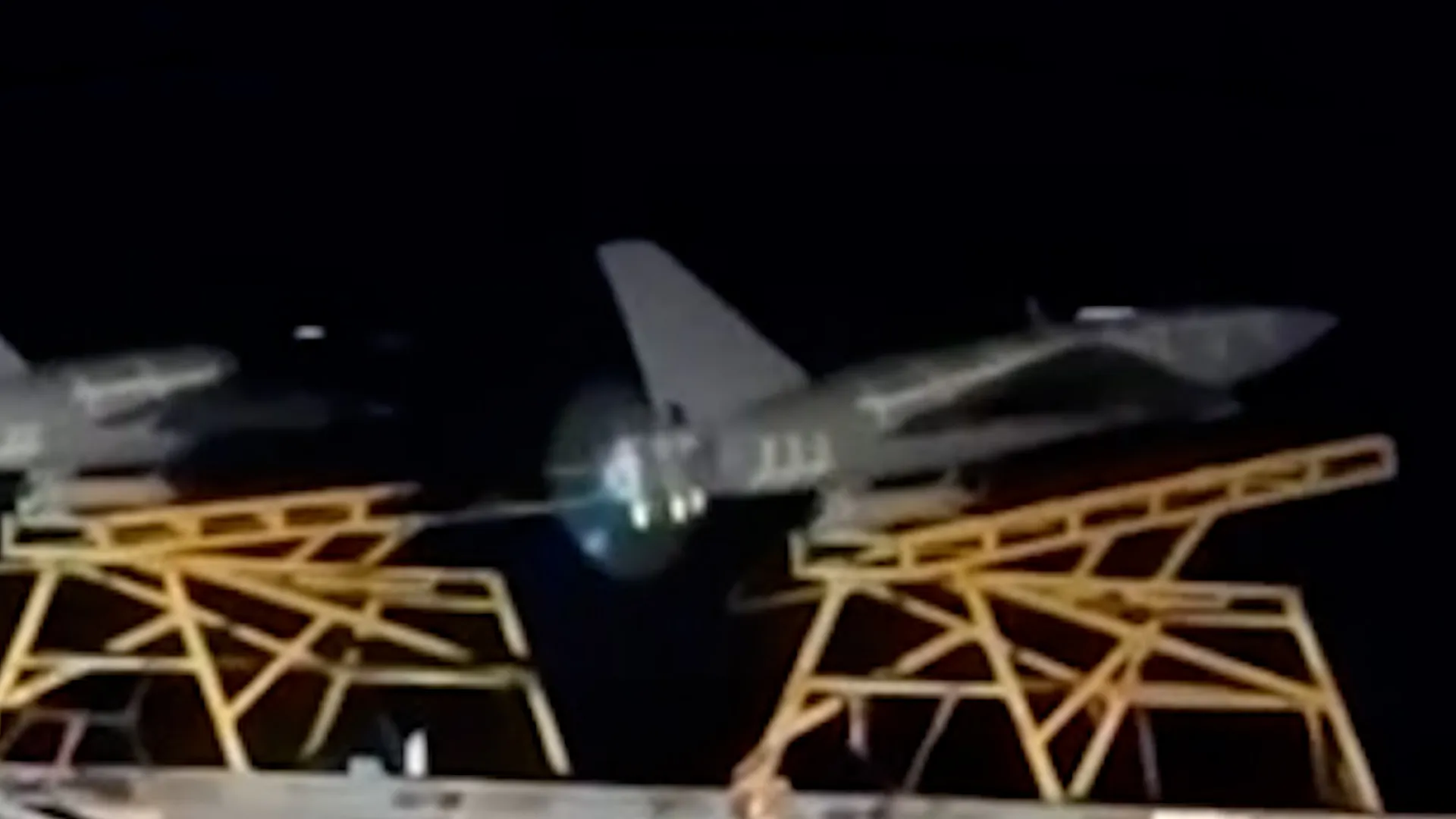
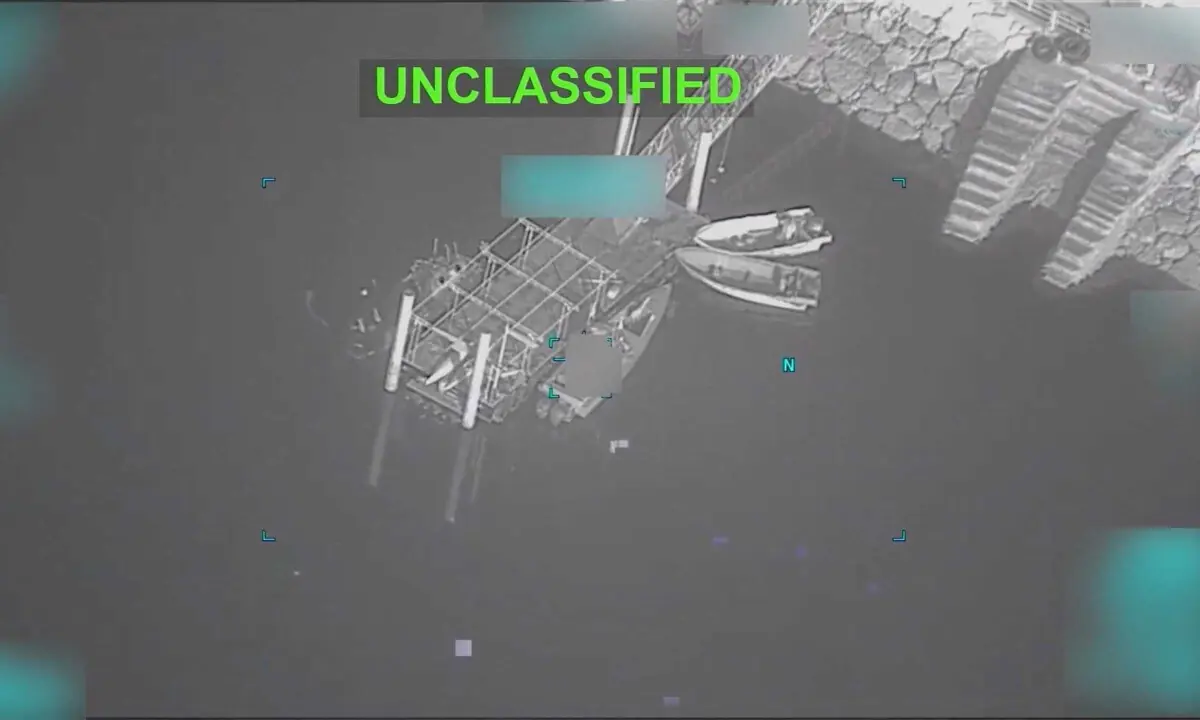
Iran has claimed it carried out strikes on US military bases and issued warnings of broader attacks across the region, marking a sharp escalation in tensions between Tehran and Washington.
The claim represents one of the most direct assertions of military action against American forces that Iran has made publicly. Such declarations carry weight beyond the tactical: they signal to regional governments, markets, and military planners that Iran is prepared to absorb whatever response follows and continue escalating.
What Iran Said and What It Means
Iran's statement included both an acknowledgment of strikes already conducted and a forward-looking threat of wider attacks on regional targets. That two-part structure is deliberate. Claiming past action establishes credibility; threatening future action is designed to deter a counter-response or extract political concessions before the next move.
The identity of the specific bases targeted, the method of attack, and the scale of any damage were not confirmed in the available information. The US government's response, including any confirmation or denial of the strikes, was also not available at the time of writing. These gaps matter because Iran and the US have previously disputed the facts and severity of incidents involving American military assets in the Middle East.
Iran has a pattern of calibrating its military statements for domestic and regional audiences simultaneously. A public claim of striking US bases serves internal political purposes, projecting strength to a domestic population facing significant economic pressure from sanctions, while also sending a message to US allies in the Gulf that American security guarantees carry real risk.
Why This Escalation Matters Now
The timing of any Iranian military escalation in mid-2026 sits against a broader backdrop of unresolved nuclear negotiations, sustained US sanctions, and ongoing proxy conflicts across the Middle East involving Iran-aligned groups. Each of those pressure points creates both motive and risk for miscalculation.
For financial markets, a credible military exchange between Iran and US forces is among the highest-impact geopolitical events possible. Oil prices are the most immediate transmission point. Iran sits along the Strait of Hormuz, through which roughly 20 percent of global oil supply passes. Any disruption to shipping or production in the Gulf region pushes energy prices sharply higher within hours, affecting fuel costs, inflation expectations, and central bank calculations worldwide.
Beyond oil, an escalation of this kind pressures regional equity markets, raises the cost of political risk insurance for businesses operating in the Middle East, and forces governments from Riyadh to Ankara to recalibrate their own positions. US allies in the region face particular pressure to either distance themselves from Washington or double down on security cooperation, both of which have domestic political costs.
For the US military, maintaining credible deterrence after a claimed strike on its bases requires a visible response of some kind. Silence or inaction is itself a strategic choice with consequences for how other actors, including North Korea, Russia, and China, read American willingness to defend its positions. The response calculus is therefore global, not just regional.
What to watch next: official US confirmation or denial of the strikes, any satellite imagery or independent verification of damage to American facilities, Iran's next public statement, and oil price movement in Asian and European markets when they open. The position of Gulf states, particularly Saudi Arabia and the UAE, will also signal how seriously regional governments are treating the Iranian claim.