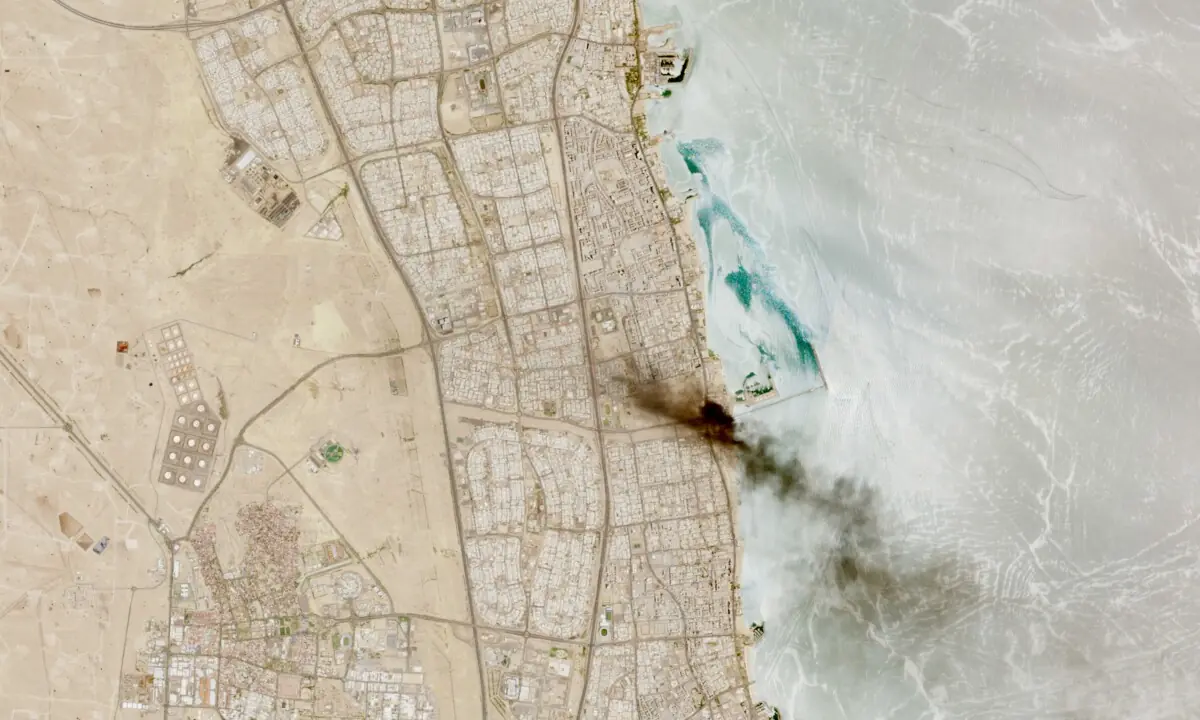
The United States has launched strikes against bridges near one of Iran's key ports, marking a significant escalation in American military pressure on Tehran. The strikes follow an explicit warning from President Donald Trump that civilian infrastructure would be targeted if Iran refused to return to negotiations over a new deal.
The port-area bridges appear to have been chosen to maximize economic and logistical pressure on Iran. Ports are central to Iran's ability to export oil and import goods, and damaging the road and bridge networks around them can choke supply chains without striking the port facilities directly. The targeting logic is one of coercion: impose enough economic pain to force Tehran back to the table, while leaving some room to escalate further if Iran holds out.
Trump had made the threat public and explicit before the strikes were carried out. That sequencing matters. Public ultimatums followed by direct military action signal that the administration is following through on its stated red lines, which raises the credibility of any further threats but also narrows the diplomatic space available to both sides.
Why This Escalation Matters
Strikes on bridges and infrastructure near a major port cross a threshold that earlier rounds of pressure, including sanctions and more targeted military strikes, did not. Civilian infrastructure attacks are a qualitatively different form of coercion. They affect ordinary Iranians directly, through disrupted supply chains, higher prices for imported goods, and reduced export revenue for the government. That pressure is designed to build domestic and political urgency inside Iran to seek a settlement.
At the same time, this approach carries real risks. Attacks on civilian infrastructure can harden public opinion inside the target country rather than fracture it. Iran's leadership could read continued strikes as an existential challenge that justifies a harder line rather than a softer one. The possibility of Iranian retaliation against U.S. assets in the region, allied shipping, or Gulf partner infrastructure rises with each round of strikes.
For global energy markets, the location of the strikes near a key Iranian port is directly relevant. Iran remains a meaningful oil exporter despite years of sanctions, and any disruption to port access or the logistics around it could tighten oil supply at a moment when markets are already sensitive to geopolitical risk. Traders and buyers will be watching closely to see whether the port's actual operations are affected or whether the strikes remain focused on surrounding road infrastructure.
What Comes Next
The central question now is whether Iran chooses to re-engage diplomatically or absorbs the strikes and waits. If Tehran returns to negotiations, the infrastructure pressure campaign will likely pause, and the two sides would face the harder task of agreeing on terms. If Iran refuses or retaliates, the Trump administration has already signaled it is prepared to continue expanding the target set.
For U.S. allies in the Gulf region, the situation creates both reassurance and anxiety. They want Iran contained, but strikes this close to port and shipping infrastructure raise fears of a wider regional conflict that could pull them in. Regional governments will be pressing Washington privately for clarity on how far this campaign is intended to go.
The coming days will likely determine whether this round of strikes functions as the decisive pressure point that brings Iran back to talks, or as one more step in a longer and more dangerous escalation ladder.