
Qatar Signals Progress in US-Iran War Talks
Qatar's foreign ministry said mediators including Qatar, Pakistan, and Oman have reached "very progressive stages" in efforts to end the US-Iran war, pushing Brent crude down more than four percent.
Key Takeaways
July 2, 2026 · 3 min read · By Rishabh Bhardwaj
·
AI-assisted, human-reviewed · Our editorial standards
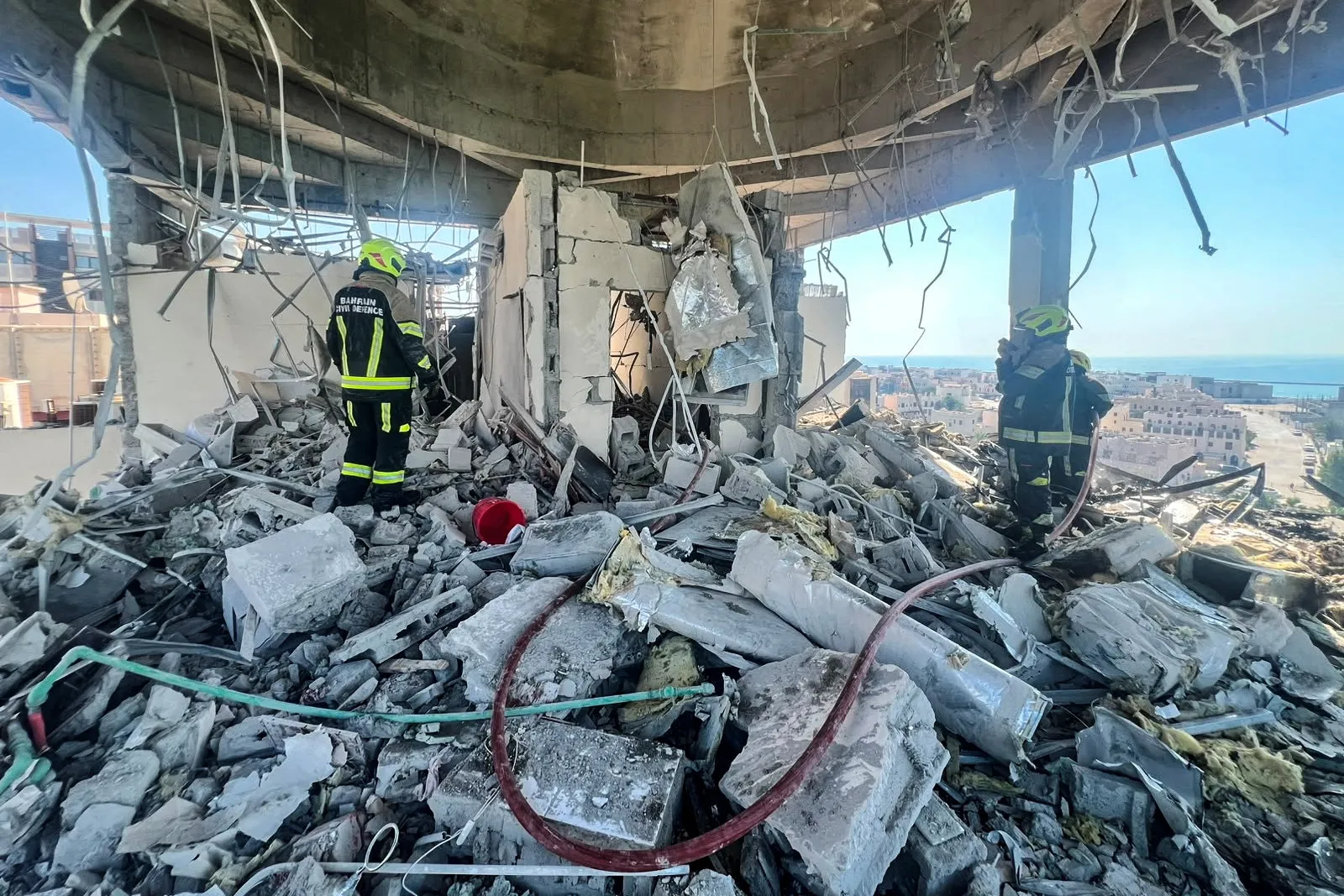
Iran has launched attacks on Kuwait and Bahrain, escalating Middle East tensions sharply after the United States conducted strikes on Iranian targets. Both Kuwait and Bahrain have publicly condemned the Iranian attacks, signaling a widening of the conflict beyond the direct US-Iran axis.
The sequence matters here. Iran framed its strikes as a direct response to US military action, a pattern of tit-for-tat escalation that now draws two Gulf Arab states into the confrontation. Kuwait and Bahrain are both close US security partners and host American military personnel and infrastructure, which makes Iranian strikes on their territory a significant threshold crossing.
Kuwait and Bahrain are not passive bystanders in US-Iran tensions. Both are members of the Gulf Cooperation Council and have longstanding defense agreements with Washington. Bahrain hosts the US Navy's Fifth Fleet, one of the most consequential American military presences in the region. Any Iranian strike near or at such facilities carries direct military significance well beyond a symbolic gesture.
By targeting these two states rather than retaliating exclusively against US assets, Iran appears to be signaling that it holds American allies responsible alongside the United States itself. This broadens the deterrence calculus and puts other Gulf states on notice. Saudi Arabia, the UAE, and Qatar all maintain complex relationships with both Washington and Tehran, and each will be watching how Kuwait and Bahrain respond before calibrating their own positions.
The condemnations from Kuwait and Bahrain are diplomatically important. They align both governments firmly with Washington's framing of Iranian aggression, which strengthens the political case for further US or coalition action, and complicates any near-term diplomatic off-ramp for Tehran.
A reported US-Iran deal, apparently under discussion before these events, is now under serious strain. Negotiations of this kind depend on both sides maintaining at least a minimal level of restraint during sensitive periods. Iranian strikes on US-allied Gulf states while talks are in progress, or recently concluded, would normally be a deal-breaking signal from any party's perspective.
The strain on any prospective agreement creates a difficult position for American diplomats. Walking away entirely hands Iran a framing victory, suggesting that military escalation forces concessions. Staying at the table risks looking like Washington is absorbing attacks without consequence, which weakens deterrence credibility across the region.
For oil markets, the strikes introduce a fresh risk premium. Kuwait is a significant crude producer and OPEC member. Bahrain sits at the center of Gulf financial flows. Any sustained military activity in or near these countries raises the prospect of supply disruption, shipping insurance cost increases through the Persian Gulf, and broader investor caution toward the region.
The immediate practical question is whether Iran conducts further strikes or treats this round as a proportional response now concluded. The answer will determine whether this is a contained escalation episode or the opening of a broader regional confrontation. Statements from Tehran on the intent and scope of its actions will be the key signal to watch in the hours and days ahead.
For readers tracking energy prices, regional stability, or US foreign policy, the core risk is that a conflict which began as a bilateral US-Iran standoff now has multiple fronts, more actors with interests at stake, and less clear off-ramp diplomacy available to any side.
Qatar's foreign ministry said mediators including Qatar, Pakistan, and Oman have reached "very progressive stages" in efforts to end the US-Iran war, pushing Brent crude down more than four percent.
Qatar confirmed it is mediating between the US and Iran but said no direct talks are currently planned. The clarification follows conflicting statements from President Trump, who claimed talks are under way, and Tehran, which denied any dialogue is happening.
Saudi Aramco reported sharply higher second-quarter 2026 profits as the Iran war restricts global oil supply and pushes crude prices up. Other oil supermajors also posted outsized earnings, raising concerns about sustained fuel cost pressure for importing economies.
President Trump called current Iran negotiations the "last chance" to end five months of conflict, pushing oil prices higher. Tehran denied formal talks are taking place, raising the risk of a diplomatic breakdown with direct consequences for global energy markets.