
Qatar Signals Progress in US-Iran War Talks
Qatar's foreign ministry said mediators including Qatar, Pakistan, and Oman have reached "very progressive stages" in efforts to end the US-Iran war, pushing Brent crude down more than four percent.
Key Takeaways
July 1, 2026 · 4 min read · By Rishabh Bhardwaj
·
AI-assisted, human-reviewed · Our editorial standards
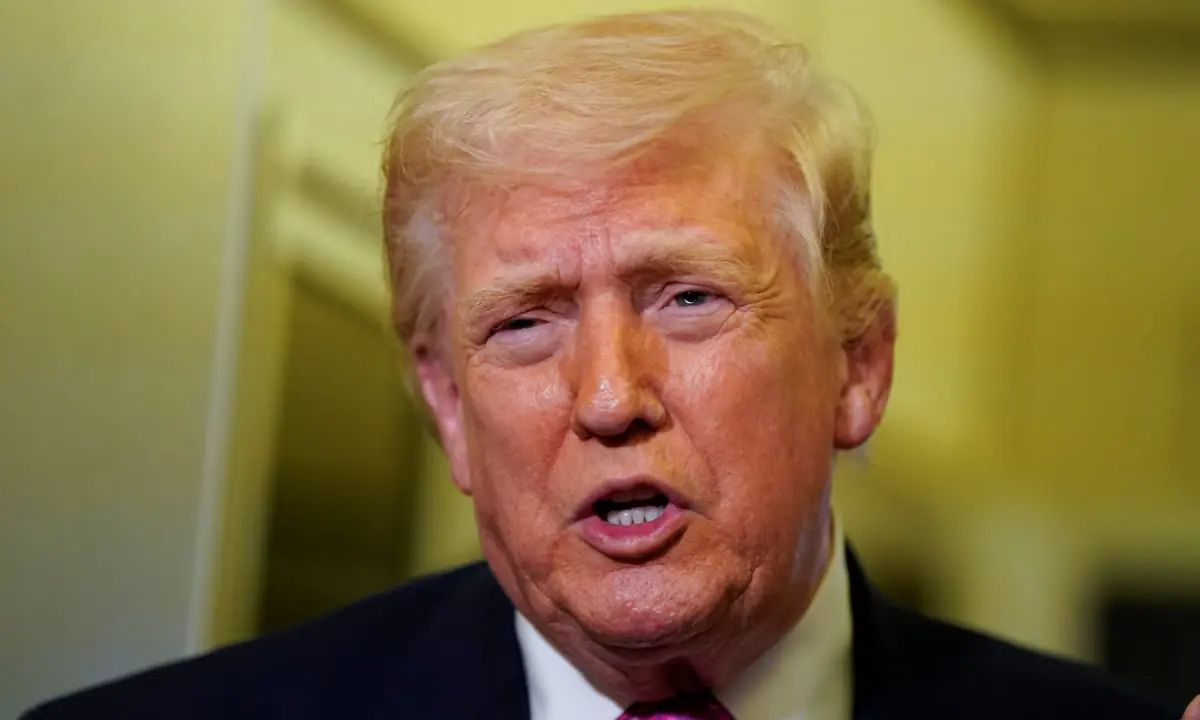
The fragile US-Iran ceasefire is unraveling fast. Iran's Islamic Revolutionary Guard Corps carried out a third consecutive day of retaliatory strikes on Sunday, hitting US military facilities in Kuwait and Bahrain, while President Donald Trump threatened on Truth Social that Iran would "no longer exist" if the United States is forced to resume full-scale war.
The IRGC said its strikes "destroyed eight important US military facilities" at the Ali al-Salem base in Kuwait and the Fifth Fleet naval base in Port Salman in Bahrain. Air raid sirens sounded twice in Bahrain on Sunday. A second Iranian strike damaged a residential building in Muharraq province with no reported casualties, according to Bahrain's interior ministry. Kuwait said its forces intercepted two ballistic missiles with no damage or casualties. A US official confirmed attacks on US facilities but said there were no American casualties or major damage, adding the situation was still developing.
The cycle of strikes traces back to competing interpretations of a ceasefire agreement both sides signed. A Memorandum of Understanding brokered by Pakistan on June 18 committed the US and Iran, and their respective allies, to not initiate any military operation against each other and to refrain from the threat or use of force. The deal also included a provision granting safe commercial vessel passage through the Strait of Hormuz for 60 days at no charge.
That shipping provision is now the central flashpoint. US Central Command said Saturday's American strikes were a direct response to an Iranian drone attack on the Panama-flagged oil tanker Kiku, which was carrying roughly two million barrels of crude oil. The US military said it targeted Iranian surveillance infrastructure, communication systems, air defence sites, drone storage facilities, and minelayer capabilities. Washington had conducted similar strikes on Friday in response to an earlier Iranian attack on another vessel, the Ever Lovely. The IRGC insisted its own strikes were responses to those American operations, and warned that American bases in the region "will experience hell in the coming days."
The Strait of Hormuz remains the sharpest instrument in this standoff. The IRGC navy said it is tightening control over traffic through the strait, with the only Tehran-authorised passage running along Iran's coast. Ships have continued to move through routes not approved by Iran, which Tehran treats as a violation. The strait is a chokepoint for roughly 20 percent of global oil flows, and any sustained disruption reprices energy globally within days.
H.A. Hellyer of the Royal United Services Institute in London said Iran is likely to continue "calibrated, low-level coercive activity" in and around the strait to maintain pressure without triggering a full resumption of war. He also pointed to the political calendar: November's US midterm congressional elections give Washington incentives to reach a quicker agreement, while a drawn-out negotiation with controlled pressure in the strait could work to Iran's strategic advantage by keeping leverage intact.
The US-Iran friction is not the only threat to the peace process. Israel signed a US-backed agreement with Lebanon on Friday aimed at long-term peace. But Hezbollah chief Naim Qassem rejected the deal the following day, calling it "humiliating, shameful and a surrender of sovereignty." He called instead for full implementation of the Washington-Tehran deal, which includes an end to fighting in Lebanon.
Israeli Prime Minister Benjamin Netanyahu called the agreement historic and described it as "a blow to Iran and Hezbollah," but his own far-right security minister Itamar Ben Gvir denounced it as "a big mistake." Netanyahu has insisted Israeli troops will remain in the security zone they occupy in southern Lebanon and that civilians cannot return until Hezbollah is disarmed, a condition Hezbollah has consistently rejected. Israel has continued to strike Lebanon, which Iran says further undermines the ceasefire framework.
Bahrain has called on the UN Security Council to hold an urgent session to hold Iran accountable. Whether that produces any diplomatic brake on the escalation cycle is far from clear. The IRGC has warned that US strikes "will result in the complete halt of all diplomatic processes," a signal that Tehran is prepared to walk away from the Pakistan-mediated track entirely if the strikes continue.
The core question now is whether any party with sufficient credibility and reach, most likely Pakistan as the original broker, can halt the tit-for-tat before it collapses the June 18 agreement entirely. With energy markets already sensitive, shipping insurers repricing Gulf routes, and no immediate sign of either Washington or Tehran pulling back, the next 48-72 hours will likely determine whether a negotiated path still exists.
Qatar's foreign ministry said mediators including Qatar, Pakistan, and Oman have reached "very progressive stages" in efforts to end the US-Iran war, pushing Brent crude down more than four percent.
Qatar confirmed it is mediating between the US and Iran but said no direct talks are currently planned. The clarification follows conflicting statements from President Trump, who claimed talks are under way, and Tehran, which denied any dialogue is happening.
Saudi Aramco reported sharply higher second-quarter 2026 profits as the Iran war restricts global oil supply and pushes crude prices up. Other oil supermajors also posted outsized earnings, raising concerns about sustained fuel cost pressure for importing economies.
President Trump called current Iran negotiations the "last chance" to end five months of conflict, pushing oil prices higher. Tehran denied formal talks are taking place, raising the risk of a diplomatic breakdown with direct consequences for global energy markets.