
Qatar Signals Progress in US-Iran War Talks
Qatar's foreign ministry said mediators including Qatar, Pakistan, and Oman have reached "very progressive stages" in efforts to end the US-Iran war, pushing Brent crude down more than four percent.
Key Takeaways
July 2, 2026 · 3 min read · By Rishabh Bhardwaj
·
AI-assisted, human-reviewed · Our editorial standards
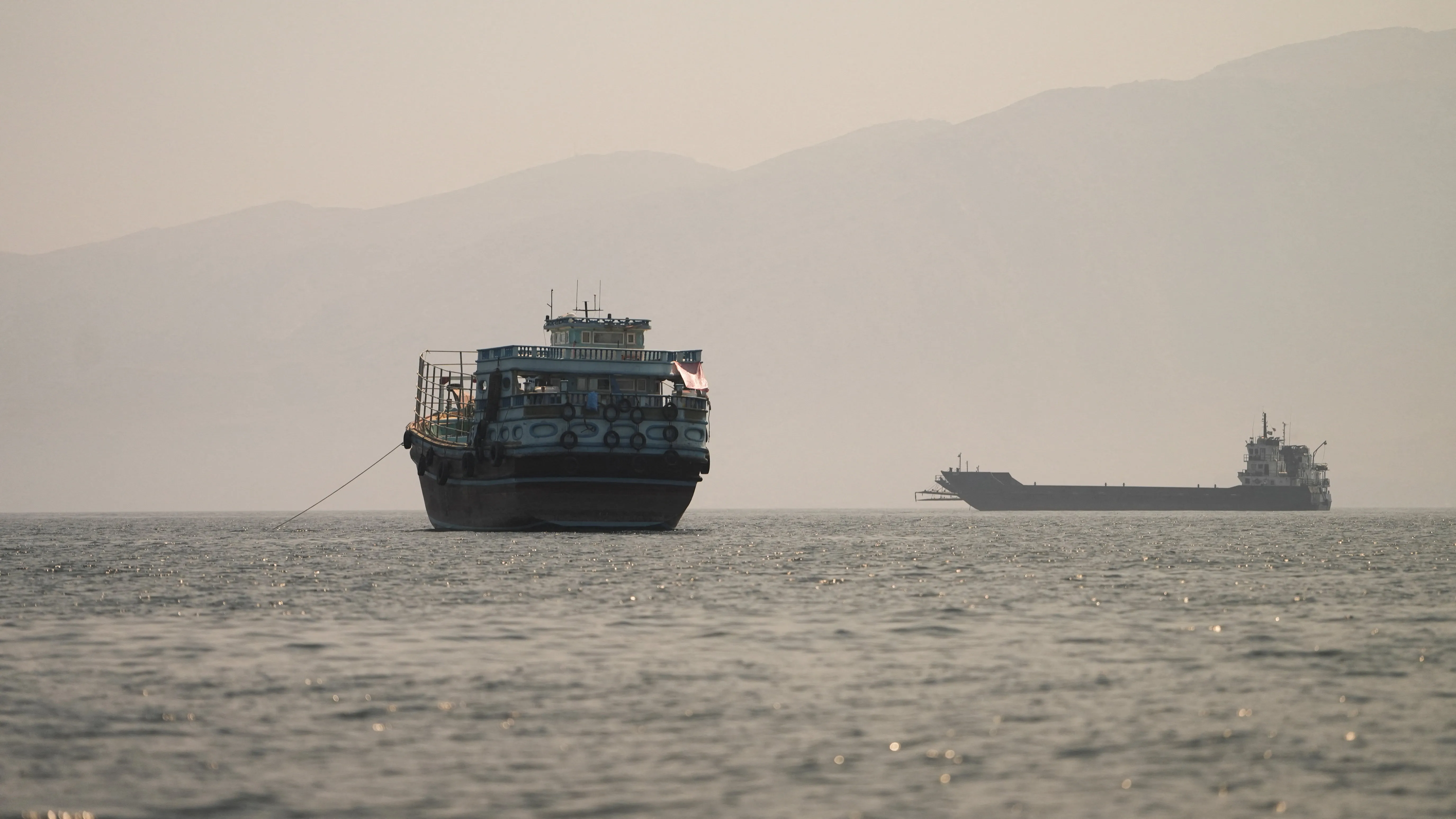
Iran has warned that vessels crossing the Strait of Hormuz without authorisation risk being stopped or seized, as a Revolutionary Guards threat over an oil tanker navigating the waterway drew fresh attention to one of the world's most critical shipping lanes.
The warning came as an oil tanker was reported to be hugging the western coast of the strait, a route that keeps vessels closer to Omani and UAE territorial waters and farther from Iranian patrol zones. The tanker's decision to proceed despite the threat signals the ongoing tension between commercial shipping needs and Iran's stated authority over parts of the waterway.
The Strait of Hormuz is the single most important chokepoint for global oil flows. Roughly 20 percent of all oil traded worldwide passes through this narrow passage between Iran and Oman. Any disruption, whether through seizure, blockade, or sustained threat activity, has an immediate effect on crude prices, shipping insurance rates, and energy security planning for importers across Asia, Europe, and beyond.
For India, the stakes are especially direct. India is one of the largest importers of crude oil in the world, and a significant share of its supplies transits the Gulf region. Elevated threat levels in the strait tend to push up freight costs and war-risk insurance premiums, which eventually feed through to fuel and energy prices domestically.
Iran's Islamic Revolutionary Guard Corps has a documented history of boarding and detaining tankers in the strait, often citing technical violations or legal disputes as justification. In practice, these seizures have frequently been used as leverage in broader diplomatic or sanctions-related standoffs with Western governments. The current warning follows that same pattern, where enforcement language is deployed as a signalling tool.
The practical effect of Iran's latest warning is likely to be seen first in the insurance and routing decisions of tanker operators. War-risk premiums for Gulf voyages tend to rise quickly when the Revolutionary Guards issue explicit threats, as underwriters reprice exposure even before any vessel is actually stopped. Shipping companies may also adjust routes, speeds, or escort arrangements in response.
Oil markets watch Hormuz developments closely because the strait has no viable bypass for most Gulf producers. Saudi Arabia has a pipeline that can divert some crude to the Red Sea, but its capacity is limited relative to total Gulf export volumes. This means sustained tension in the strait cannot easily be routed around.
The tanker reported to be navigating the western coast of the strait appears to have judged the risk acceptable for now, but the incident is a reminder that commercial traffic through Hormuz operates under constant strategic pressure. Even when no vessel is seized, the credible threat of seizure raises costs across the supply chain.
What to watch next: whether Iran follows the warning with any enforcement action against the vessel in question, and how major oil importers including India, China, and Japan respond diplomatically or through their state-owned shipping and insurance bodies. Any escalation that moves from warning to actual interdiction would likely trigger a sharper reaction in crude prices and a harder look at strategic reserve drawdowns among importing nations.
Qatar's foreign ministry said mediators including Qatar, Pakistan, and Oman have reached "very progressive stages" in efforts to end the US-Iran war, pushing Brent crude down more than four percent.
Qatar confirmed it is mediating between the US and Iran but said no direct talks are currently planned. The clarification follows conflicting statements from President Trump, who claimed talks are under way, and Tehran, which denied any dialogue is happening.
Saudi Aramco reported sharply higher second-quarter 2026 profits as the Iran war restricts global oil supply and pushes crude prices up. Other oil supermajors also posted outsized earnings, raising concerns about sustained fuel cost pressure for importing economies.
President Trump called current Iran negotiations the "last chance" to end five months of conflict, pushing oil prices higher. Tehran denied formal talks are taking place, raising the risk of a diplomatic breakdown with direct consequences for global energy markets.