
Qatar Signals Progress in US-Iran War Talks
Qatar's foreign ministry said mediators including Qatar, Pakistan, and Oman have reached "very progressive stages" in efforts to end the US-Iran war, pushing Brent crude down more than four percent.
Key Takeaways
May 27, 2026 · 3 min read · By Rishabh Bhardwaj
·
AI-assisted, human-reviewed · Our editorial standards
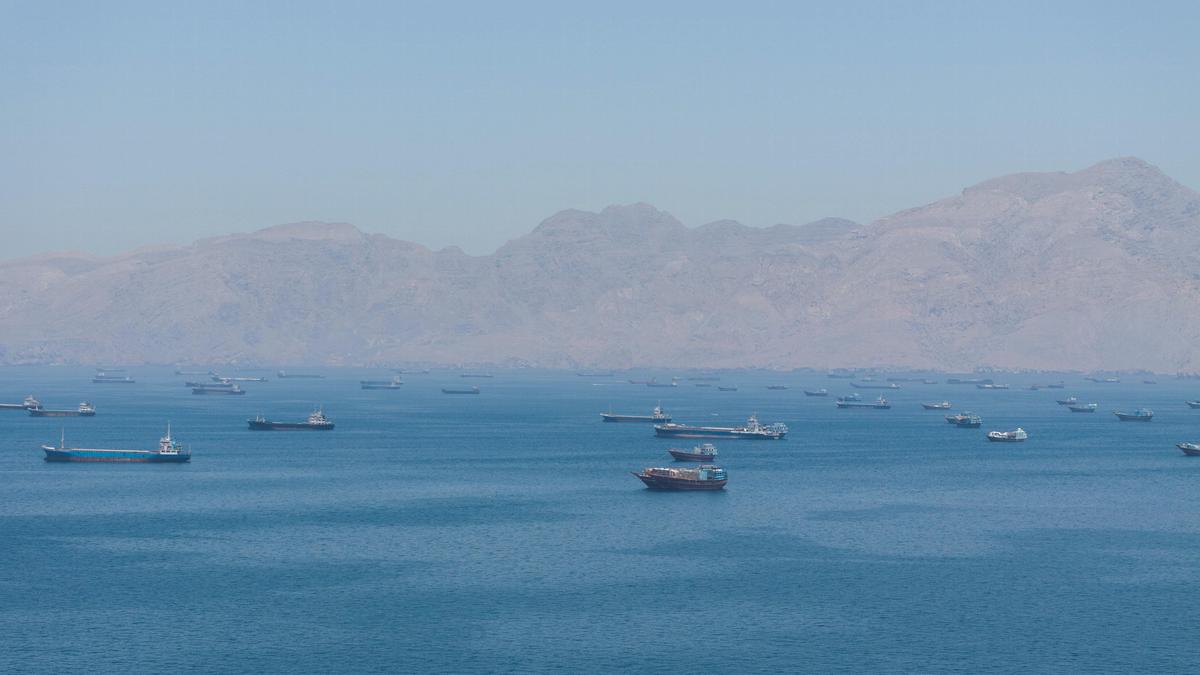
Global oil prices jumped roughly 3% after the United States carried out military strikes on Iran, reigniting fears about supply disruptions in one of the world's most critical energy corridors. The Strait of Hormuz, through which a large share of global oil exports pass, remains partially restricted, adding real pressure to an already uncertain market.
The price move reflects a straightforward supply risk calculation. When military action threatens a chokepoint like Hormuz, traders price in the possibility that tanker traffic slows or stops. Even a partial restriction is enough to tighten available supply for buyers in Europe and Asia, both of whom depend heavily on Gulf crude moving through that route.
Military action between the U.S. and Iran does not need to produce a full blockade to move oil prices. The market responds to probability shifts. Right now, the probability that physical supply gets disrupted has risen, and that is enough to push prices higher even before any barrel is actually lost. The 3% gain in a single session signals that traders see this as more than a short-term skirmish.
The timing matters too. Peace negotiations between Washington and Tehran were already fragile before the strikes. Any diplomatic track toward an eased sanctions regime or a nuclear deal, which could eventually bring more Iranian oil back to global markets, now looks considerably less certain. That removes a potential source of future supply from traders' forward projections, which applies upward pressure on prices beyond the immediate security premium.
Iran sits among the world's significant oil producers, and its exports, while constrained by existing sanctions, still reach buyers in parts of Asia. A sharper escalation could push those flows lower. More importantly, Iranian threats to close or further restrict the Strait of Hormuz in response to military pressure are a well-established pattern, and markets are pricing that historical behavior into current valuations.
The consequences spread unevenly. Oil-importing economies feel the cost most directly. India, which sources a significant portion of its crude from the Gulf region and has worked to balance relationships with both Washington and Tehran, faces a direct hit to its import bill if prices hold at elevated levels. Higher crude costs feed through to fuel prices, freight, and eventually consumer goods over weeks and months.
For global energy companies, a sustained price rise at this level improves upstream margins in the near term. Refiners face more pressure, since higher feedstock costs squeeze their spreads unless end-product prices adjust fast enough to keep up.
The partial restriction of the Strait of Hormuz is the number to watch most closely. If traffic normalizes quickly, the 3% gain could reverse partially as the security premium unwinds. If the restriction deepens or Iranian countermeasures escalate, a further leg higher in prices becomes plausible. Any formal statement from Iran on the strikes, or any movement on the diplomatic track, will reset market expectations fast.
Central banks in oil-importing economies are watching this closely. A sustained energy price shock complicates the inflation picture at a time when several major economies are still navigating rate decisions. Higher fuel costs can slow the pace of disinflation, giving policymakers less room to ease monetary policy as quickly as markets had anticipated.
The situation remains fluid. Peace deal prospects, tanker traffic data through Hormuz, and any further U.S. or Iranian military moves are the three variables that will determine whether this is a brief spike or the start of a prolonged repricing in global energy markets.
Qatar's foreign ministry said mediators including Qatar, Pakistan, and Oman have reached "very progressive stages" in efforts to end the US-Iran war, pushing Brent crude down more than four percent.
Qatar confirmed it is mediating between the US and Iran but said no direct talks are currently planned. The clarification follows conflicting statements from President Trump, who claimed talks are under way, and Tehran, which denied any dialogue is happening.
Saudi Aramco reported sharply higher second-quarter 2026 profits as the Iran war restricts global oil supply and pushes crude prices up. Other oil supermajors also posted outsized earnings, raising concerns about sustained fuel cost pressure for importing economies.
President Trump called current Iran negotiations the "last chance" to end five months of conflict, pushing oil prices higher. Tehran denied formal talks are taking place, raising the risk of a diplomatic breakdown with direct consequences for global energy markets.