
Qatar Signals Progress in US-Iran War Talks
Qatar's foreign ministry said mediators including Qatar, Pakistan, and Oman have reached "very progressive stages" in efforts to end the US-Iran war, pushing Brent crude down more than four percent.
Key Takeaways
May 2, 2026 · 2 min read · By Rishabh Bhardwaj
·
AI-assisted, human-reviewed · Our editorial standards
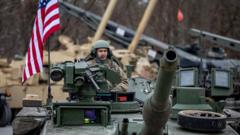
Germany's Defence Minister Boris Pistorius has said a US withdrawal of 5,000 troops from Germany is "foreseeable," signaling that Berlin has been bracing for this move rather than treating it as a surprise. NATO, meanwhile, is seeking clarification from Washington on the scale and timeline of the drawdown.
Pistorius stopped short of alarm, framing the reduction as an anticipated development in the broader pattern of US signaling about burden-sharing in Europe. His comments reflect a wider shift in German and European defence thinking: that the continent can no longer assume a fixed American military footprint on its soil.
The US currently maintains a significant military presence in Germany, a legacy of post-World War II and Cold War commitments. A reduction of 5,000 troops is a meaningful but not total drawdown. It would affect logistics, rapid-response capacity, and the symbolic weight of American commitment to NATO's eastern flank, particularly at a time when Russia's war in Ukraine continues.
NATO seeking clarification is significant in itself. It suggests the alliance was not fully briefed ahead of the announcement, which complicates coordinated defence planning. Member states, especially those in Central and Eastern Europe, rely heavily on the US troop presence in Germany as a staging and reinforcement hub.
The episode adds fresh urgency to European rearmament debates. Germany has already committed to raising its defence spending above NATO's 2% of GDP threshold, and several EU members are accelerating procurement and readiness plans. A visible US troop cut, even a partial one, sharpens the political case domestically in those countries for faster defence investment.
For markets, the immediate read-through is to European defence contractors. Any confirmed reduction in US forward presence tends to strengthen the argument for increased European defence budgets, which flows directly to procurement orders for companies across the continent.
The key question now is whether the 5,000-troop figure is the ceiling or a first step. NATO's request for clarification suggests that answer is not yet settled, and Washington's response will set the tone for alliance cohesion in the months ahead.
Qatar's foreign ministry said mediators including Qatar, Pakistan, and Oman have reached "very progressive stages" in efforts to end the US-Iran war, pushing Brent crude down more than four percent.
Qatar confirmed it is mediating between the US and Iran but said no direct talks are currently planned. The clarification follows conflicting statements from President Trump, who claimed talks are under way, and Tehran, which denied any dialogue is happening.
Saudi Aramco reported sharply higher second-quarter 2026 profits as the Iran war restricts global oil supply and pushes crude prices up. Other oil supermajors also posted outsized earnings, raising concerns about sustained fuel cost pressure for importing economies.
President Trump called current Iran negotiations the "last chance" to end five months of conflict, pushing oil prices higher. Tehran denied formal talks are taking place, raising the risk of a diplomatic breakdown with direct consequences for global energy markets.