
Qatar Signals Progress in US-Iran War Talks
Qatar's foreign ministry said mediators including Qatar, Pakistan, and Oman have reached "very progressive stages" in efforts to end the US-Iran war, pushing Brent crude down more than four percent.
Key Takeaways
May 13, 2026 · 3 min read · By Rishabh Bhardwaj
·
AI-assisted, human-reviewed · Our editorial standards
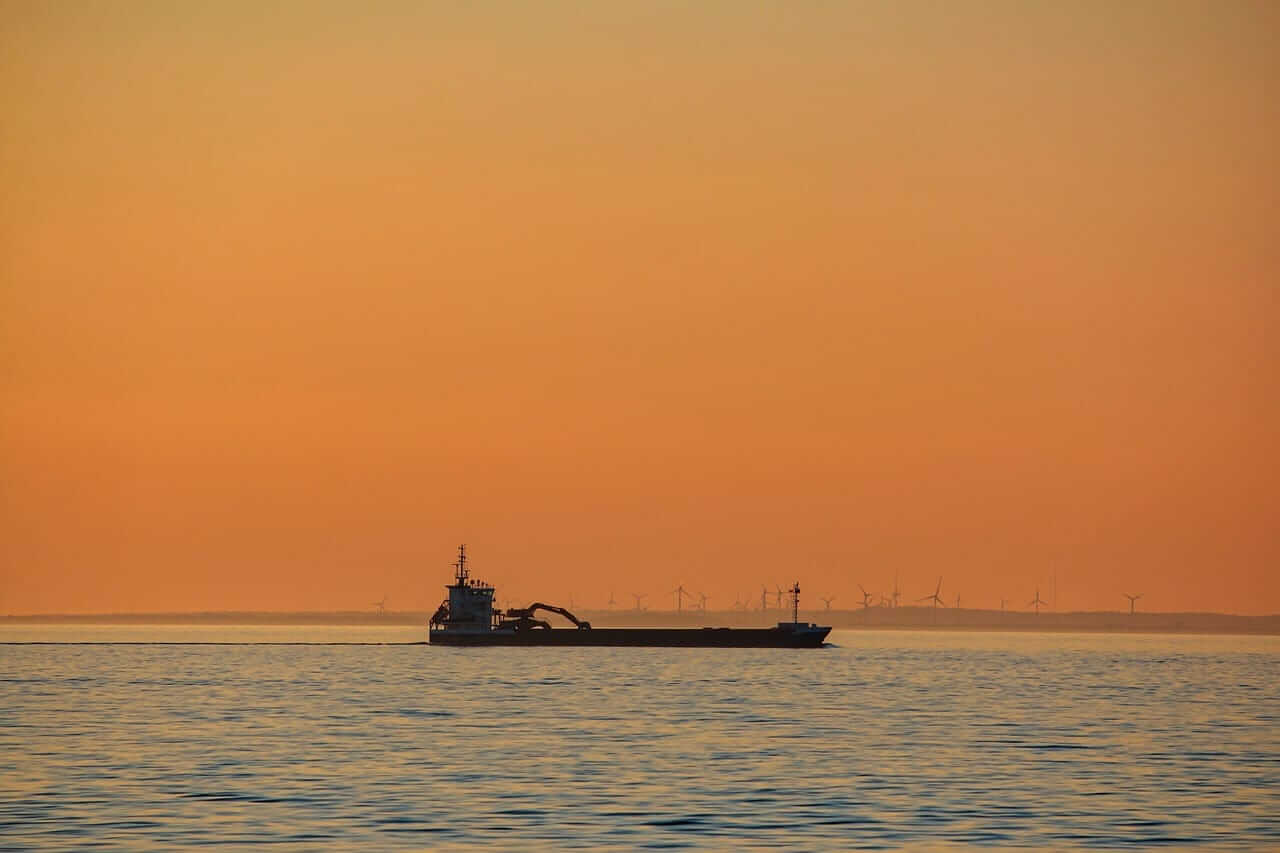
Crude oil prices have jumped sharply after the Strait of Hormuz remained closed, cutting off one of the world's most critical energy supply routes.
The Strait of Hormuz is a narrow waterway between Iran and Oman. Roughly one-fifth of all global oil supply passes through it every day, making it the single most important chokepoint in the energy market. Any prolonged closure sends an immediate signal to traders that physical supply could tighten, pushing prices higher fast.
When a route this significant goes offline, oil markets reprice quickly. Buyers who depend on Gulf exports, including major refiners in Asia and Europe, must either find alternative sources or pay a premium for redirected cargoes. Neither option is cheap or easy, and both take time to arrange.
Oil is priced globally, so a supply disruption in the Gulf affects fuel costs everywhere. When crude rises, the cost of producing almost everything else follows, from plastics and fertilizers to airline tickets and road freight. Central banks watch energy prices closely because a sustained spike can push inflation higher and complicate interest rate decisions.
For oil-importing economies, including India, a sharp rise in crude prices widens the import bill, puts pressure on the currency, and can raise retail fuel prices if the government allows pass-through. India imports around 85 percent of its crude needs, so Gulf disruptions carry direct fiscal weight.
For oil-exporting nations and energy companies, higher prices improve revenue and cash flow quickly. Producers outside the Gulf, such as those in the United States, Canada, and West Africa, gain a competitive edge when Hormuz-linked barrels become harder to source.
The key question is how long the closure lasts. A brief disruption, measured in days, typically causes a price spike that fades once ships resume normal passage. A closure stretching into weeks forces buyers to draw down strategic reserves, reroute tankers around the Cape of Good Hope, or activate emergency supply-sharing agreements.
If the situation persists, expect downstream effects: higher petrol and diesel prices in import-dependent markets, wider shipping insurance costs, and increased volatility across energy-linked equities and currencies. Refinery margins could also shift depending on which crude grades become available as substitutes.
The specific cause and timeline of the closure are not yet confirmed, so the price move right now reflects risk and uncertainty as much as actual lost barrels. Markets are pricing in the possibility of a longer disruption, not a guaranteed one. Any credible signal that the strait is reopening would likely trigger a fast reversal in prices.
Qatar's foreign ministry said mediators including Qatar, Pakistan, and Oman have reached "very progressive stages" in efforts to end the US-Iran war, pushing Brent crude down more than four percent.
Qatar confirmed it is mediating between the US and Iran but said no direct talks are currently planned. The clarification follows conflicting statements from President Trump, who claimed talks are under way, and Tehran, which denied any dialogue is happening.
Saudi Aramco reported sharply higher second-quarter 2026 profits as the Iran war restricts global oil supply and pushes crude prices up. Other oil supermajors also posted outsized earnings, raising concerns about sustained fuel cost pressure for importing economies.
President Trump called current Iran negotiations the "last chance" to end five months of conflict, pushing oil prices higher. Tehran denied formal talks are taking place, raising the risk of a diplomatic breakdown with direct consequences for global energy markets.