
Qatar Signals Progress in US-Iran War Talks
Qatar's foreign ministry said mediators including Qatar, Pakistan, and Oman have reached "very progressive stages" in efforts to end the US-Iran war, pushing Brent crude down more than four percent.
Key Takeaways
May 2, 2026 · 2 min read · By Rishabh Bhardwaj
·
AI-assisted, human-reviewed · Our editorial standards
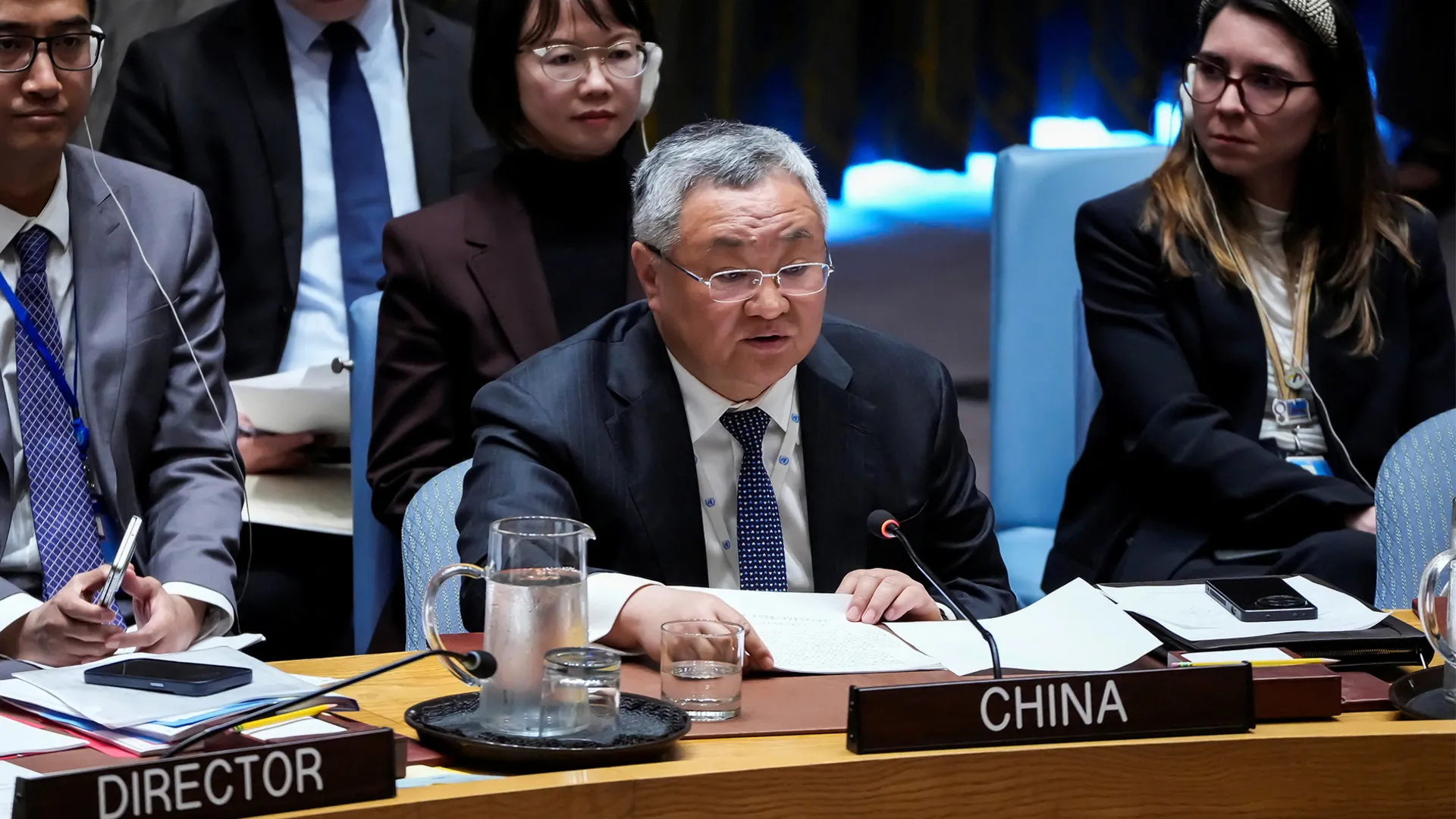
China's UN Ambassador Fu Cong has said that any talks between President Xi Jinping and Donald Trump will center on the Strait of Hormuz, calling both a ceasefire and the reopening of the waterway "urgent" priorities for Beijing.
The Strait of Hormuz is the world's most critical oil chokepoint. Roughly one-fifth of global oil supply moves through the narrow passage between Iran and Oman, connecting the Persian Gulf to international markets. A closure or sustained threat to shipping there pushes energy prices higher almost immediately and raises costs across manufacturing, transport, and food supply chains worldwide.
China is the world's largest oil importer and depends heavily on Gulf crude. Any prolonged disruption to Hormuz shipping hits Beijing directly, raising import costs, straining energy security, and complicating its broader economic targets. That gives China a clear economic motive to push hard for stabilization, separate from any diplomatic signaling.
Fu Cong's comments frame the Hormuz question as a top-tier agenda item for a potential Trump-Xi conversation, which would place it alongside, or even above, trade and Taiwan as immediate talking points. That is a notable shift in public framing from Beijing, which rarely telegraphs its negotiating priorities so explicitly through a UN spokesperson.
The ambassador's remarks suggest Beijing sees the current situation as serious enough to warrant direct leader-level engagement with Washington. Whether a Trump-Xi call or meeting is actually scheduled remains unclear from the available information. The key signal to watch is whether the two sides coordinate a joint position on Hormuz access or whether they pursue parallel but separate pressure tracks on the parties involved.
For energy markets, the direction of those talks, and any concrete steps toward reopening the strait, will be a primary price driver in the near term. Traders and importers will be watching for any joint statement or diplomatic progress that signals reduced disruption risk.
Qatar's foreign ministry said mediators including Qatar, Pakistan, and Oman have reached "very progressive stages" in efforts to end the US-Iran war, pushing Brent crude down more than four percent.
Qatar confirmed it is mediating between the US and Iran but said no direct talks are currently planned. The clarification follows conflicting statements from President Trump, who claimed talks are under way, and Tehran, which denied any dialogue is happening.
Saudi Aramco reported sharply higher second-quarter 2026 profits as the Iran war restricts global oil supply and pushes crude prices up. Other oil supermajors also posted outsized earnings, raising concerns about sustained fuel cost pressure for importing economies.
President Trump called current Iran negotiations the "last chance" to end five months of conflict, pushing oil prices higher. Tehran denied formal talks are taking place, raising the risk of a diplomatic breakdown with direct consequences for global energy markets.