
Qatar Signals Progress in US-Iran War Talks
Qatar's foreign ministry said mediators including Qatar, Pakistan, and Oman have reached "very progressive stages" in efforts to end the US-Iran war, pushing Brent crude down more than four percent.
Key Takeaways
May 4, 2026 · 2 min read · By Rishabh Bhardwaj
·
AI-assisted, human-reviewed · Our editorial standards
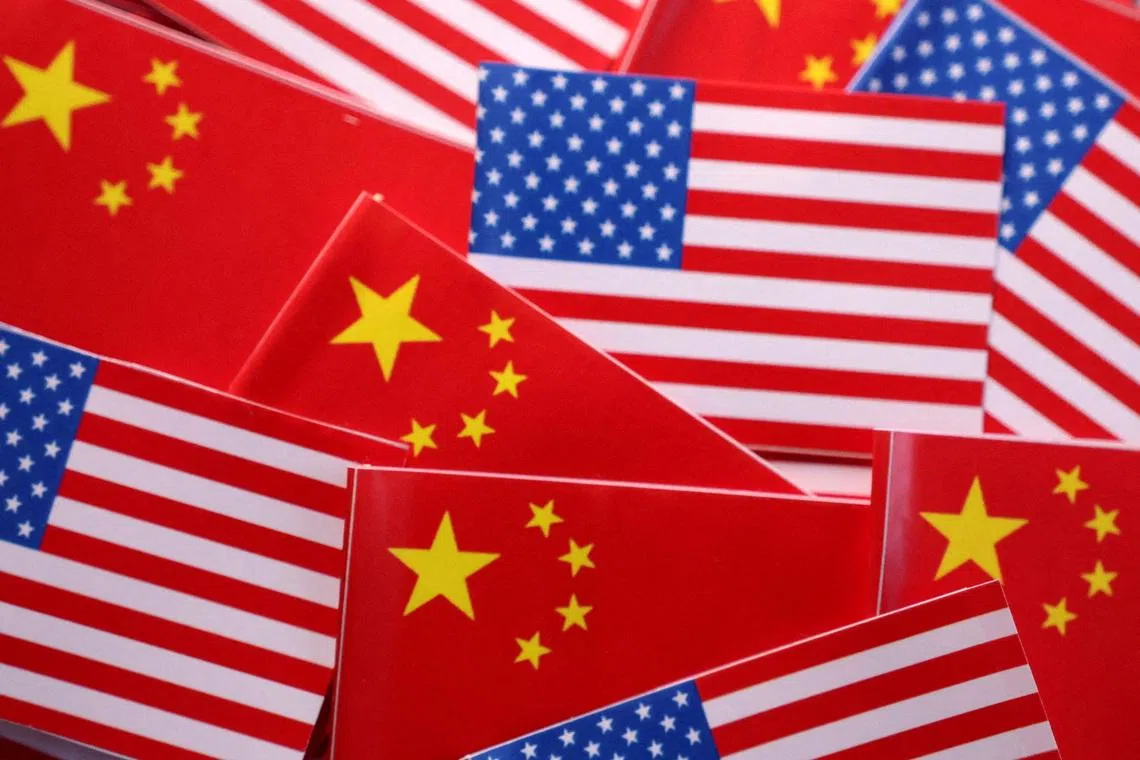
China has taken what analysts describe as its most direct challenge yet to US financial sanctions, setting up a confrontation over which country's rules global banks must follow.
Beijing's action targets the mechanism Washington uses to enforce economic penalties, the threat of cutting foreign banks off from the US dollar system if they do business with sanctioned entities. For years, that threat alone was enough to make most banks worldwide comply with US sanctions, even when they had no legal obligation to do so under their own countries' laws.
China is now pushing back against that leverage. By taking a more assertive stance, Beijing is effectively telling banks that defying US sanctions may be required, or at least protected, under Chinese rules, creating a direct conflict of obligations for any bank that operates in both markets.
International banks caught between the two systems face an uncomfortable choice. Complying with US sanctions risks running afoul of Chinese authorities. Ignoring Chinese directives to work around those sanctions risks losing access to the US dollar clearing system, which underpins the vast majority of global trade and finance.
This is not a theoretical conflict. Banks with large operations in both the US and China, common among major European and Asian institutions, would have to choose a side, or find ways to legally separate their operations to limit exposure on each front.
The dollar's role as the world's reserve currency has long given Washington outsized power to punish foreign actors through financial exclusion. China's push represents a direct test of how durable that power is when a large enough economy decides to resist it.
The immediate question is how foreign banks respond. If major institutions quietly continue following US sanctions despite Chinese pressure, Washington's financial leverage holds. If banks begin carving out exceptions for China-related business, it signals a meaningful crack in the sanctions architecture the US has built over decades.
Longer term, this episode could accelerate efforts by China and others to build payment and settlement systems that bypass the dollar entirely, reducing the financial isolation risk that makes US sanctions effective in the first place.
Qatar's foreign ministry said mediators including Qatar, Pakistan, and Oman have reached "very progressive stages" in efforts to end the US-Iran war, pushing Brent crude down more than four percent.
Qatar confirmed it is mediating between the US and Iran but said no direct talks are currently planned. The clarification follows conflicting statements from President Trump, who claimed talks are under way, and Tehran, which denied any dialogue is happening.
Saudi Aramco reported sharply higher second-quarter 2026 profits as the Iran war restricts global oil supply and pushes crude prices up. Other oil supermajors also posted outsized earnings, raising concerns about sustained fuel cost pressure for importing economies.
President Trump called current Iran negotiations the "last chance" to end five months of conflict, pushing oil prices higher. Tehran denied formal talks are taking place, raising the risk of a diplomatic breakdown with direct consequences for global energy markets.