
Qatar Signals Progress in US-Iran War Talks
Qatar's foreign ministry said mediators including Qatar, Pakistan, and Oman have reached "very progressive stages" in efforts to end the US-Iran war, pushing Brent crude down more than four percent.
Key Takeaways
May 2, 2026 · 2 min read · By Rishabh Bhardwaj
·
AI-assisted, human-reviewed · Our editorial standards
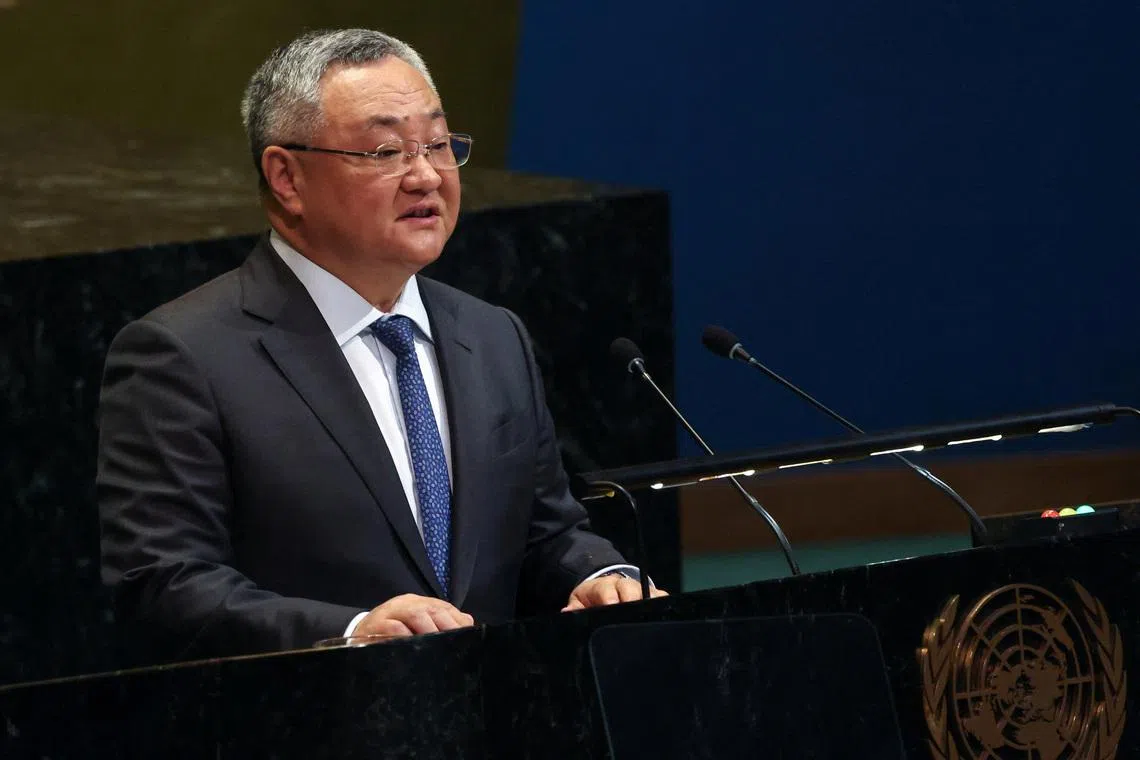
China has called for an urgent effort to maintain a ceasefire in the conflict involving Iran, with Foreign Ministry spokesperson Fu Cong publicly rejecting US allegations of military cooperation between Beijing and Tehran as false.
The statement came as fighting pressure around Iran remained a live concern for regional and global powers. China's position as a permanent UN Security Council member gives its public calls for ceasefire maintenance diplomatic weight, even when its bilateral relationship with Iran draws scrutiny from Washington.
Fu Cong's remarks served two purposes: pushing for de-escalation in a conflict that threatens oil supply routes and regional stability, and pushing back against what Beijing described as unfounded accusations from US officials about arms or military ties with Iran.
China has consistently denied providing military support to Iran. The denial matters because any confirmed military cooperation would carry serious consequences, including the risk of additional US sanctions on Chinese entities and a further deterioration in already strained US-China relations.
A breakdown in the Iran ceasefire would have direct market consequences. Iran sits at a chokepoint for global oil flows, and any resumption of large-scale conflict raises the risk of supply disruption that could push energy prices higher. China is one of Iran's largest oil customers, giving Beijing a direct economic interest in keeping the situation calm.
The US allegations, even if denied, keep pressure on Chinese financial institutions and companies that do business with Iranian counterparts. Secondary sanctions risk, where non-US firms face penalties for trading with sanctioned entities, remains a live compliance concern for Chinese banks and trading houses.
Watch for whether other major powers align with China's ceasefire call, and whether Washington responds to Fu's denial with new evidence or escalates its accusations. The diplomatic tone between Beijing and Washington on this issue is a useful early signal of how much room exists for broader US-China cooperation on Middle East stability.
Qatar's foreign ministry said mediators including Qatar, Pakistan, and Oman have reached "very progressive stages" in efforts to end the US-Iran war, pushing Brent crude down more than four percent.
Qatar confirmed it is mediating between the US and Iran but said no direct talks are currently planned. The clarification follows conflicting statements from President Trump, who claimed talks are under way, and Tehran, which denied any dialogue is happening.
Saudi Aramco reported sharply higher second-quarter 2026 profits as the Iran war restricts global oil supply and pushes crude prices up. Other oil supermajors also posted outsized earnings, raising concerns about sustained fuel cost pressure for importing economies.
President Trump called current Iran negotiations the "last chance" to end five months of conflict, pushing oil prices higher. Tehran denied formal talks are taking place, raising the risk of a diplomatic breakdown with direct consequences for global energy markets.