
Qatar Signals Progress in US-Iran War Talks
Qatar's foreign ministry said mediators including Qatar, Pakistan, and Oman have reached "very progressive stages" in efforts to end the US-Iran war, pushing Brent crude down more than four percent.
Key Takeaways
May 11, 2026 · 2 min read · By Rishabh Bhardwaj
·
AI-assisted, human-reviewed · Our editorial standards
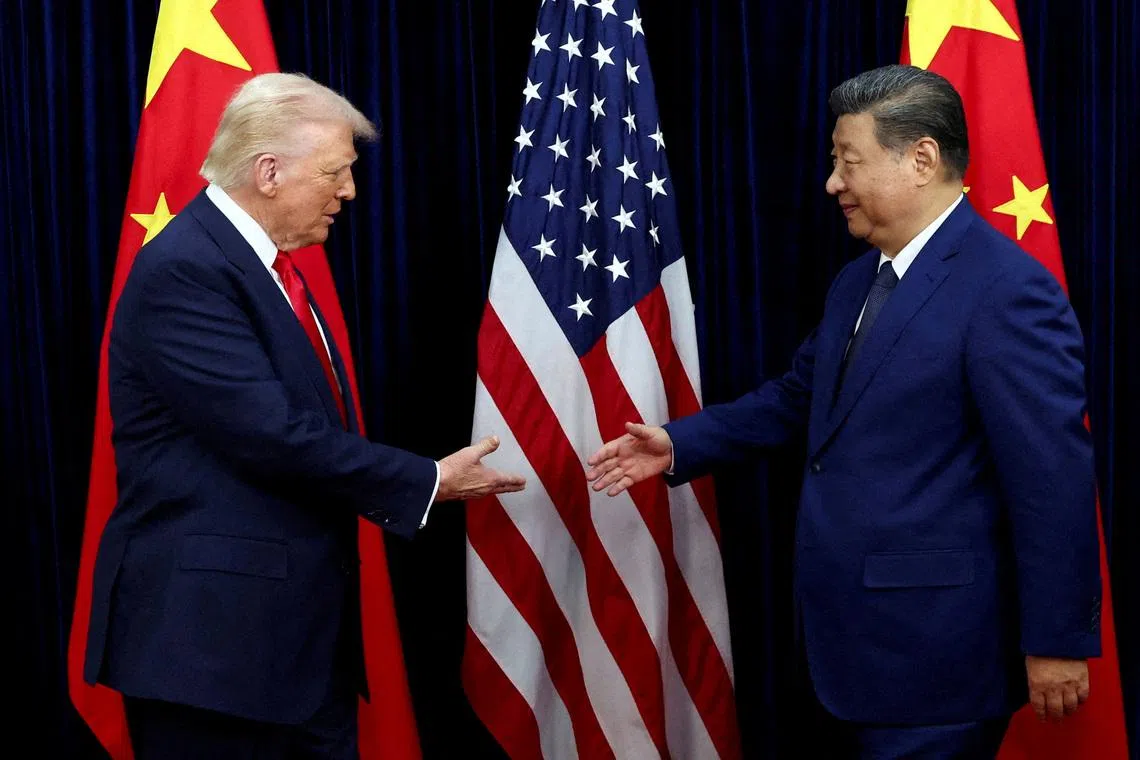
Chinese state media outlet Xinhua confirmed that U.S. President Donald Trump will visit China from May 13 to 15, citing the country's Foreign Ministry. The visit had been delayed after the United States launched military strikes against Iran, pushing back high-level diplomatic engagement between the two powers.
The summit between Xi Jinping and Trump comes at a moment of unusual diplomatic density. The two leaders are meeting against the backdrop of an active U.S.-China trade war, a fragile global supply chain environment, and Washington's recent military operations in the Middle East, all of which shape the negotiating context heading into Beijing.
U.S.-China summits at the presidential level are rare enough to move markets on their own. Investors, manufacturers, and policymakers watch them closely for signals on tariffs, technology export controls, Taiwan, and broader trade terms. Any thaw, or new friction, between the world's two largest economies has direct ripple effects on global trade volumes, currency markets, and equity valuations across Asia and the West.
The Iran factor added a layer of uncertainty to the timing. U.S. strikes on Iran put diplomatic bandwidth under strain and likely complicated Beijing's calculus, given China's energy and trade ties with Tehran. The delay itself was a signal that Washington's military posture in the Middle East was affecting the pace of engagement with China.
The three-day visit is long by the standard of state summits, suggesting substantive talks rather than a ceremonial stopover. Concrete outcomes, whether on tariff rollbacks, export control carve-outs, or a joint statement, would carry significant market weight. The absence of deliverables would itself be a data point about where the relationship stands.
No agenda details have been confirmed beyond the dates. Watch for pre-summit communications from the U.S. Trade Representative, Treasury, and the Chinese Commerce Ministry in the days ahead, as those agencies typically signal priority topics before a leader-level meeting.
Qatar's foreign ministry said mediators including Qatar, Pakistan, and Oman have reached "very progressive stages" in efforts to end the US-Iran war, pushing Brent crude down more than four percent.
Qatar confirmed it is mediating between the US and Iran but said no direct talks are currently planned. The clarification follows conflicting statements from President Trump, who claimed talks are under way, and Tehran, which denied any dialogue is happening.
Saudi Aramco reported sharply higher second-quarter 2026 profits as the Iran war restricts global oil supply and pushes crude prices up. Other oil supermajors also posted outsized earnings, raising concerns about sustained fuel cost pressure for importing economies.
President Trump called current Iran negotiations the "last chance" to end five months of conflict, pushing oil prices higher. Tehran denied formal talks are taking place, raising the risk of a diplomatic breakdown with direct consequences for global energy markets.