
Qatar Signals Progress in US-Iran War Talks
Qatar's foreign ministry said mediators including Qatar, Pakistan, and Oman have reached "very progressive stages" in efforts to end the US-Iran war, pushing Brent crude down more than four percent.
Key Takeaways
May 11, 2026 · 3 min read · By Rishabh Bhardwaj
·
AI-assisted, human-reviewed · Our editorial standards
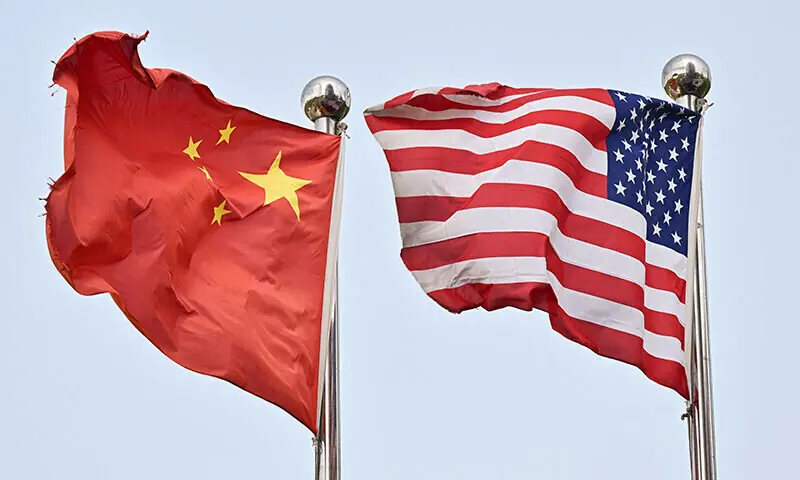
US Treasury Secretary Scott Bessent and Chinese Vice Premier He Lifeng will meet in Seoul on Wednesday, May 13, to lay the groundwork for a full leaders' summit between President Donald Trump and President Xi Jinping in Beijing. The back-channel preparation signals that both sides are treating this as a structured diplomatic sequence, not an impromptu encounter.
China's commerce ministry confirmed that He Lifeng, Beijing's top economic official and its chief trade negotiator, will be in South Korea on May 12 and 13 for what it described as "consultations on mutual economic and trade issues." The ministry said the talks build on consensus reached in prior leader-level calls and meetings, including a session in Busan last October. The framing suggests both governments want to enter the summit with pre-agreed positions rather than open-ended negotiation at the top.
Bessent and He Lifeng are the principal negotiators for their respective governments on trade and economic policy. Their Seoul meeting is effectively the final technical checkpoint before Trump and Xi sit down. The fact that two chief negotiators are meeting the day before Bessent flies to Beijing indicates the summit agenda is being locked in, not still being debated.
Before Seoul, Bessent is stopping in Tokyo on Tuesday to meet Japanese Prime Minister Sanae Takaichi and Finance Minister Satsuki Katayama, along with public and private sector representatives. Japan is a key US ally with its own active trade negotiations with Washington, and the Tokyo stop signals that the US is managing its broader Asia economic diplomacy in a single trip rather than treating the China summit in isolation.
A Trump-Xi summit carries direct market relevance. US-China trade tensions have been a persistent source of tariff uncertainty for global supply chains, and any agreements or signals from a leaders' meeting typically shift expectations quickly in equity, currency, and commodity markets. No specific agenda items have been confirmed publicly, but the focus on "economic and trade issues" suggests tariffs, market access, or technology export controls could be on the table.
Bessent framed the trip under Trump's "America First Economic Agenda," indicating the US side will press for outcomes it can present as wins on trade balance or manufacturing. Beijing's language of "mutual concern" suggests it will seek reciprocal concessions. The gap between those framings is the negotiating tension that Bessent and He Lifeng are expected to narrow in Seoul before the leaders meet.
Watch for any joint statement or readout after the Seoul meeting, the tone and specificity of that language will be the clearest early signal of how much substantive ground the two sides have actually covered before Trump and Xi meet.
Qatar's foreign ministry said mediators including Qatar, Pakistan, and Oman have reached "very progressive stages" in efforts to end the US-Iran war, pushing Brent crude down more than four percent.
Qatar confirmed it is mediating between the US and Iran but said no direct talks are currently planned. The clarification follows conflicting statements from President Trump, who claimed talks are under way, and Tehran, which denied any dialogue is happening.
Saudi Aramco reported sharply higher second-quarter 2026 profits as the Iran war restricts global oil supply and pushes crude prices up. Other oil supermajors also posted outsized earnings, raising concerns about sustained fuel cost pressure for importing economies.
President Trump called current Iran negotiations the "last chance" to end five months of conflict, pushing oil prices higher. Tehran denied formal talks are taking place, raising the risk of a diplomatic breakdown with direct consequences for global energy markets.