
Qatar Signals Progress in US-Iran War Talks
Qatar's foreign ministry said mediators including Qatar, Pakistan, and Oman have reached "very progressive stages" in efforts to end the US-Iran war, pushing Brent crude down more than four percent.
Key Takeaways
May 10, 2026 · 2 min read · By Rishabh Bhardwaj
·
AI-assisted, human-reviewed · Our editorial standards
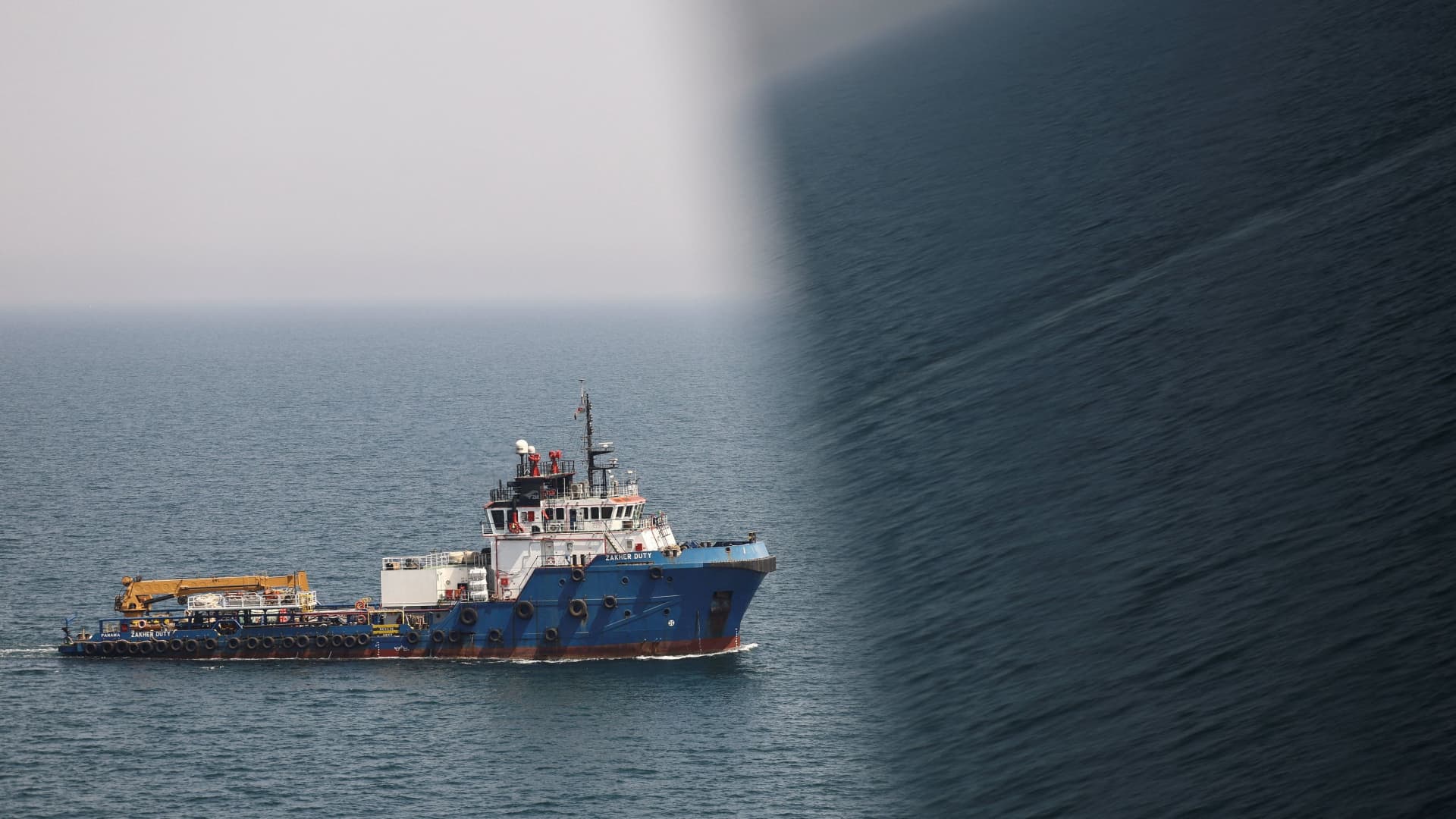
Asia-Pacific markets opened lower on Friday as fresh tensions between Iran and the United States unsettled investors, with a fragile ceasefire doing little to reassure traders watching the region.
The sell-off reflects a familiar pattern: when Middle East hostilities flare, risk appetite in Asian markets drops quickly. Equity investors tend to pull back from positions that carry uncertainty, and geopolitical flashpoints between major powers, especially ones involving the U.S., amplify that caution across trading floors from Tokyo to Sydney.
Iran-U.S. clashes introduce several risks at once. Oil supply disruptions are the most direct concern, since the Middle East remains a critical source of global crude. Any escalation that threatens shipping lanes or production could push energy prices higher, which feeds into inflation and squeezes corporate margins across sectors that depend on fuel and logistics.
Beyond energy, active military tensions between the U.S. and a regional power raise broader questions about global trade stability and U.S. foreign policy commitments. That uncertainty tends to push investors toward safer assets, typically U.S. Treasuries, gold, and the Japanese yen, and away from equities in emerging and export-driven Asian economies.
The ceasefire described as fragile suggests the situation remains fluid. Markets will track whether diplomatic channels hold or whether further clashes push tensions toward a sustained escalation. Energy prices, particularly Brent crude, will be a key indicator of how traders are pricing conflict risk. Any official statements from Washington or Tehran that clarify the scope of hostilities could move markets quickly in either direction.
For now, the open reflects caution rather than panic, but the direction of travel depends heavily on how the weekend develops diplomatically and militarily.
Qatar's foreign ministry said mediators including Qatar, Pakistan, and Oman have reached "very progressive stages" in efforts to end the US-Iran war, pushing Brent crude down more than four percent.
Qatar confirmed it is mediating between the US and Iran but said no direct talks are currently planned. The clarification follows conflicting statements from President Trump, who claimed talks are under way, and Tehran, which denied any dialogue is happening.
Saudi Aramco reported sharply higher second-quarter 2026 profits as the Iran war restricts global oil supply and pushes crude prices up. Other oil supermajors also posted outsized earnings, raising concerns about sustained fuel cost pressure for importing economies.
President Trump called current Iran negotiations the "last chance" to end five months of conflict, pushing oil prices higher. Tehran denied formal talks are taking place, raising the risk of a diplomatic breakdown with direct consequences for global energy markets.