
Qatar Signals Progress in US-Iran War Talks
Qatar's foreign ministry said mediators including Qatar, Pakistan, and Oman have reached "very progressive stages" in efforts to end the US-Iran war, pushing Brent crude down more than four percent.
Key Takeaways
May 10, 2026 · 2 min read · By Rishabh Bhardwaj
·
AI-assisted, human-reviewed · Our editorial standards
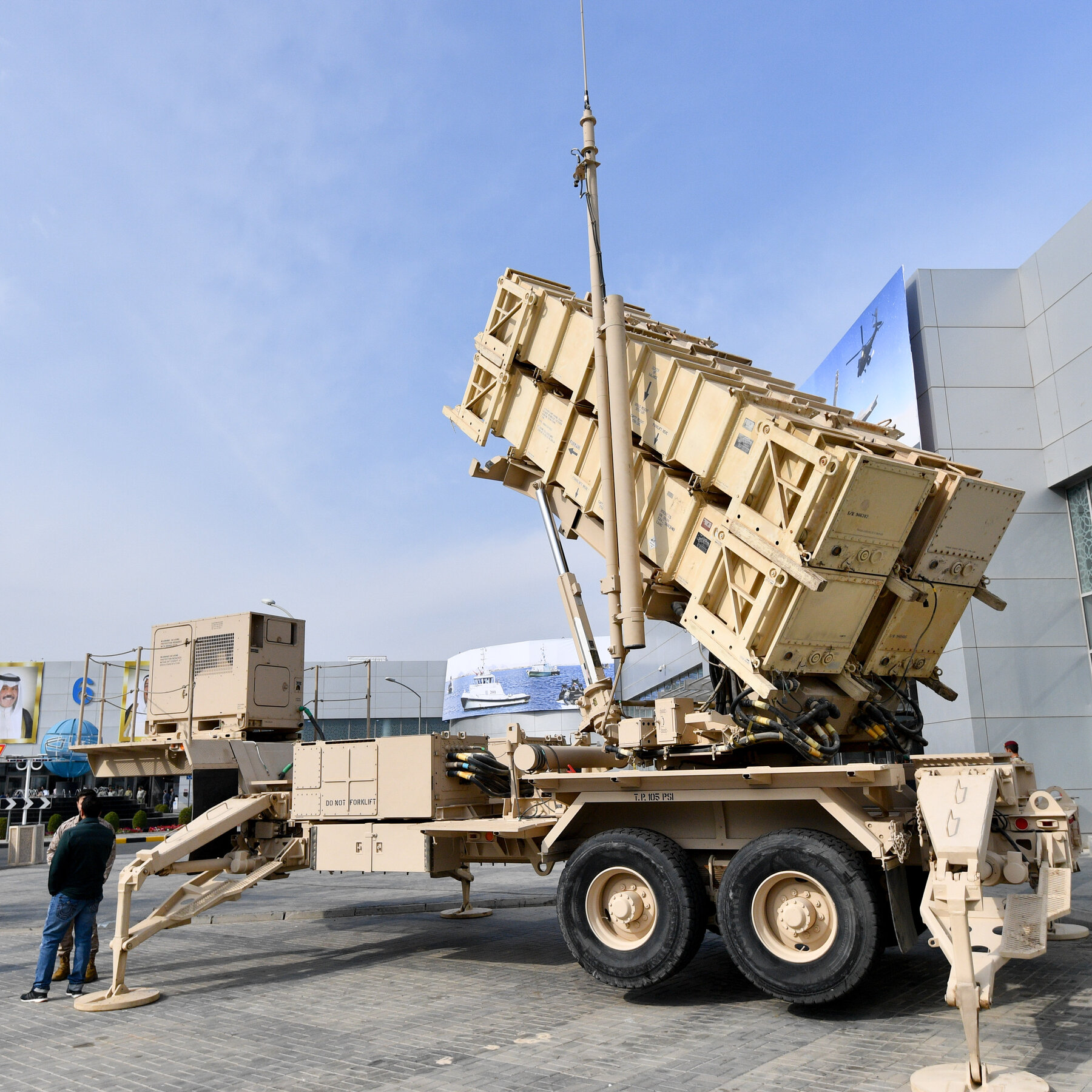
The United States has approved missile sales worth $17 billion to Gulf nations as American and allied stockpiles have dropped sharply following intensive use of air defense systems during the conflict with Iran.
The sales come at a moment of acute pressure on U.S. and partner inventories. Air defense missiles, the kind used to intercept drones, cruise missiles, and ballistic threats, have been consumed at a rate that outpaces current manufacturing capacity. Replenishing those stocks takes time: missile production lines cannot simply be switched to a higher gear overnight, and key components often have long lead times measured in years, not months.
For Gulf states, the timing makes strategic sense. They share a threat environment with the U.S. and have watched inventories erode across the region. Securing a large order now locks in delivery priority in a constrained supply chain. It also deepens their integration with U.S.-made systems, which affects interoperability, maintenance contracts, and long-term vendor relationships.
For Washington, the sales serve a dual purpose. Export deals generate revenue that helps justify continued domestic production investment, and broader production runs can eventually lower per-unit costs for the U.S. military itself. Selling to Gulf partners also distributes some of the burden of regional air defense across allied nations rather than concentrating it in U.S. forces.
The underlying problem, slow production, is what makes this sale strategically significant. If manufacturing capacity does not expand, selling missiles abroad competes directly with U.S. military restocking. Defense planners and lawmakers have already been pressing the Pentagon and contractors to accelerate output, but building new production capacity requires facility investment, workforce training, and qualified supplier development that takes years to come online.
The $17 billion figure signals that Gulf nations are making substantial long-term commitments, not spot purchases. Orders of that scale move through foreign military sale channels, involve congressional notification, and lock in delivery schedules that can stretch over multiple years.
Watch for congressional debate over whether these exports accelerate or delay restocking of U.S. military inventories, and whether defense contractors announce production expansion plans in response to the combined demand signal from domestic and Gulf orders.
Qatar's foreign ministry said mediators including Qatar, Pakistan, and Oman have reached "very progressive stages" in efforts to end the US-Iran war, pushing Brent crude down more than four percent.
Qatar confirmed it is mediating between the US and Iran but said no direct talks are currently planned. The clarification follows conflicting statements from President Trump, who claimed talks are under way, and Tehran, which denied any dialogue is happening.
Saudi Aramco reported sharply higher second-quarter 2026 profits as the Iran war restricts global oil supply and pushes crude prices up. Other oil supermajors also posted outsized earnings, raising concerns about sustained fuel cost pressure for importing economies.
President Trump called current Iran negotiations the "last chance" to end five months of conflict, pushing oil prices higher. Tehran denied formal talks are taking place, raising the risk of a diplomatic breakdown with direct consequences for global energy markets.