India to Restore UPI Merchant Fees, PhonePe Gains Most
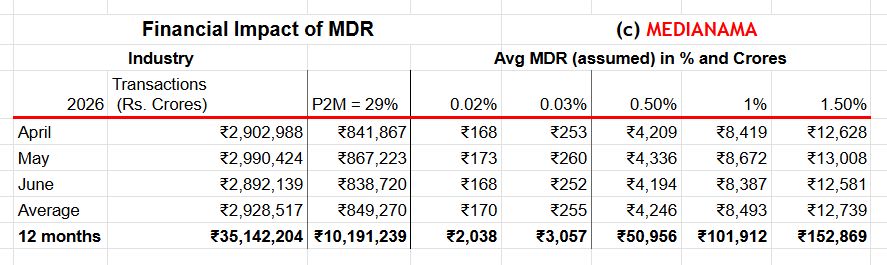
India's government plans to amend the Payment and Settlement Systems Act to restore UPI merchant discount rates, ending the zero-MDR regime in place since January 2020.
Key Takeaways
July 4, 2026 · 4 min read · By Rishabh Bhardwaj
·
AI-assisted, human-reviewed · Our editorial standards

India's Ministry of Electronics and Information Technology will summon Meta after a BBC investigation found that Instagram was running paid advertisements in India that promoted child sexual abuse material (CSAM) and directed users to Telegram channels selling it.
Union IT Minister Ashwini Vaishnaw directed ministry officials to seek a formal explanation from Meta after the investigation, conducted by BBC journalist Divya Arya, was published on July 3, 2026. Within hours of publication, the Indian government announced the summons.
The BBC investigation set up a test Instagram account in India after reporters noticed the platform was pushing sexually suggestive content without any user search. The account followed ten women who posted about food, weather, and daily life while also appearing in provocative clothing. Within a week, Instagram's algorithm began serving ads for explicit adult content. Within days, ads depicting children with adults in sexually suggestive situations appeared, with links to Telegram channels where the material was reportedly sold for as little as Rs 99 per purchase.
The test account received roughly 30 unique ads promoting child sexual abuse material, along with about 20 ads for explicit adult pornography. The ads used terms like "rape video" and "child video" directly in their copy.
When BBC reporters flagged one of the sexually suggestive ads through Instagram's own reporting tool, Meta responded 24 hours later saying the ad "does not go against our community standards." The ads were only taken down after BBC contacted the company directly for official comment. Meta then disabled several ads, suspended the accounts running them, blocked linked URLs, and said it had removed additional policy-violating content.
Meta acknowledged the gap in its systems, saying "no system is perfect, and our review process may not detect all policy violations." The company added that it runs proactive detection technology on live ads and allows users to report content they believe breaks its rules. That framing is significant because it places the burden of detection partly on users rather than treating it as a platform-level compliance obligation.
This is the second government action against Meta in the same week. MeitY had already issued a notice to WhatsApp over its new username feature, alongside notices to Signal, Telegram, and Arattai, citing concerns about online fraud, phishing, digital arrest scams, and impersonation. The back-to-back actions signal heightened scrutiny of Meta's platforms specifically and social media safety compliance broadly.
India's government has moved against platforms over CSAM before. In October 2023, MeitY sent notices to X (formerly Twitter), YouTube, and Telegram, warning them to remove child sexual abuse material. That episode did not result in the kind of public summons now directed at Meta, which suggests the government is escalating its enforcement posture.
The mechanism at the center of this case matters beyond the specific violations. Instagram's ad system, which is algorithmically targeted, served CSAM-linked advertisements based on inferred interest in sexual content, not any explicit user search. That means the platform's monetization infrastructure, not just its content moderation system, played a direct role in surfacing the material. Advertisers paid to reach users through this pipeline. That framing puts pressure on Meta not just to remove individual ads but to explain how paid promotion of illegal content passed through its ad review process in the first place.
India is one of Meta's largest user markets. A formal government summons carries regulatory weight: it can precede fines, platform restrictions, or compliance orders under India's IT rules. The outcome of the explanation Meta provides to MeitY will determine what steps the government takes next, and whether the case accelerates broader regulatory action on platform ad accountability in India.
India's government plans to amend the Payment and Settlement Systems Act to restore UPI merchant discount rates, ending the zero-MDR regime in place since January 2020.
India's government has introduced the Taxation and Other Laws (Amendment) Bill, 2026, proposing changes to payments regulation, income tax, and the Finance Act to attract FDI and support Make in India. The Bill's final shape will depend on parliamentary debate and committee review.
The government's Taxation and Other Laws (Amendment) Bill, 2026, proposes to replace the blanket UPI MDR ban with a system allowing the Centre to notify which payment modes stay fee-free.
Prime Minister Narendra Modi inaugurated the Rs 5,000 crore Bhogapuram greenfield airport in Andhra Pradesh, built under a public-private partnership model. He also laid foundation stones for infrastructure projects worth nearly Rs 18,000 crore in the state, signalling a broad investment push for the region.