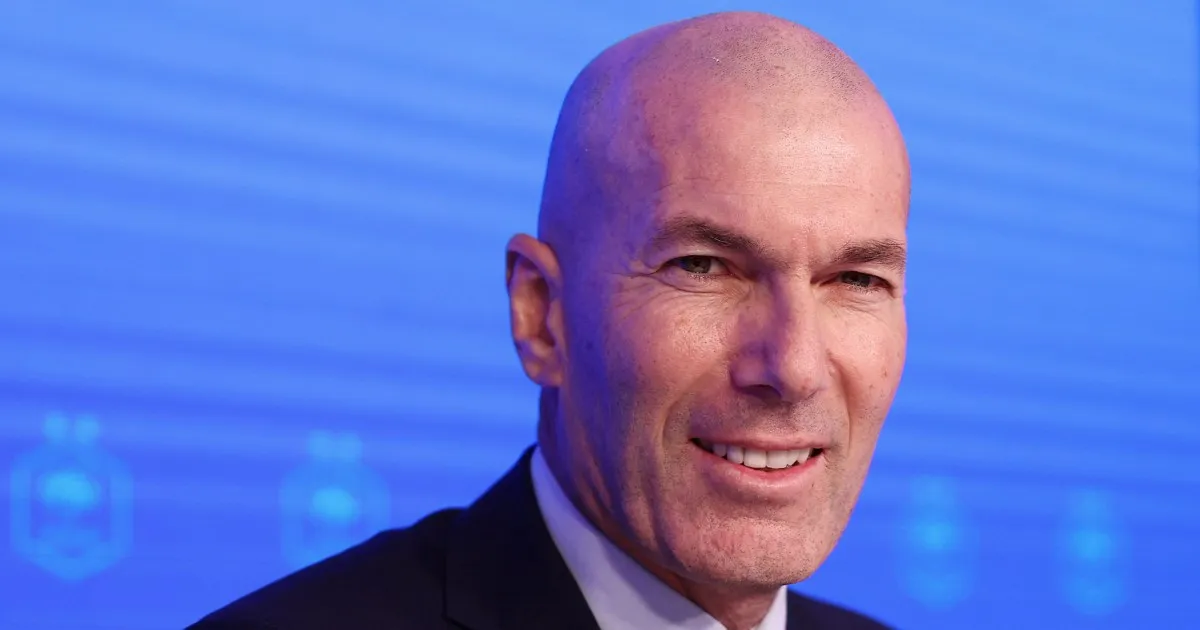
Zinedine Zidane has been appointed as France's new head coach, taking over from Didier Deschamps following the national team's elimination at the semifinal stage of the 2026 World Cup.
The appointment ends years of speculation about whether Zidane would eventually take charge of the national side. The 54-year-old is one of France's greatest ever players, a two-time Champions League winner as a manager with Real Madrid, and has been linked with the France job repeatedly since leaving the Spanish club in 2021. He now steps into the role at a defining moment for a generation of French talent.
Deschamps, who led France to the 2018 World Cup title and the 2022 final, departs after the semifinal defeat at the 2026 tournament ended his long and decorated tenure. His exit closes a chapter that spanned more than a decade of consistent success, but the semifinal result gave the French Football Federation the opening to move toward fresh leadership.
A Hire Built on Legacy and Expectation
Zidane's appeal to the federation is straightforward. As a player he won the 1998 World Cup and Euro 2000 with France, and as a coach he won three consecutive Champions League titles with Real Madrid between 2016 and 2018. His man-management of elite players, including a dressing room full of global stars, is seen as directly relevant to handling the current French squad, which features some of the best players in the world.
The challenge, though, is real. Zidane has not managed a club or national side since leaving Real Madrid for a second time in mid-2021. That is a five-year gap on the sidelines, during which football tactics and squad dynamics have continued to evolve. His supporters argue that a coach of his calibre retains authority regardless of time away. His critics will watch his first competitive campaigns closely.
France's 2026 World Cup exit in the semifinals, rather than a group-stage collapse or a round-of-16 exit, still signals a squad capable of winning major tournaments. Zidane inherits a team that went deep into the competition, which gives him a strong starting point but also high expectations from supporters who believe this generation should be lifting trophies, not falling short in the final four.
What Comes Next
The immediate focus will be qualifying for and then competing in UEFA Euro 2028, hosted jointly by the United Kingdom and Ireland. That competition becomes Zidane's first major target in the job. France are historically strong qualifiers, so the real test will come in the knockout rounds of a major tournament, where Deschamps' side repeatedly showed both resilience and vulnerability.
Zidane will also need to make early decisions on squad direction: which players from the 2026 World Cup cycle remain central, and whether any rebuilding is needed around the edges. The transition from one of France's most successful managers to a new coach always carries risk, but the federation has clearly judged that Zidane's profile, his connection to French football, and his record with elite squads make him the right person to take the side forward.
For French football, this is more than a managerial change. Zidane is a national symbol, and his appointment carries emotional weight beyond tactics and selection. Whether that translates into silverware is what history will ultimately measure him on.