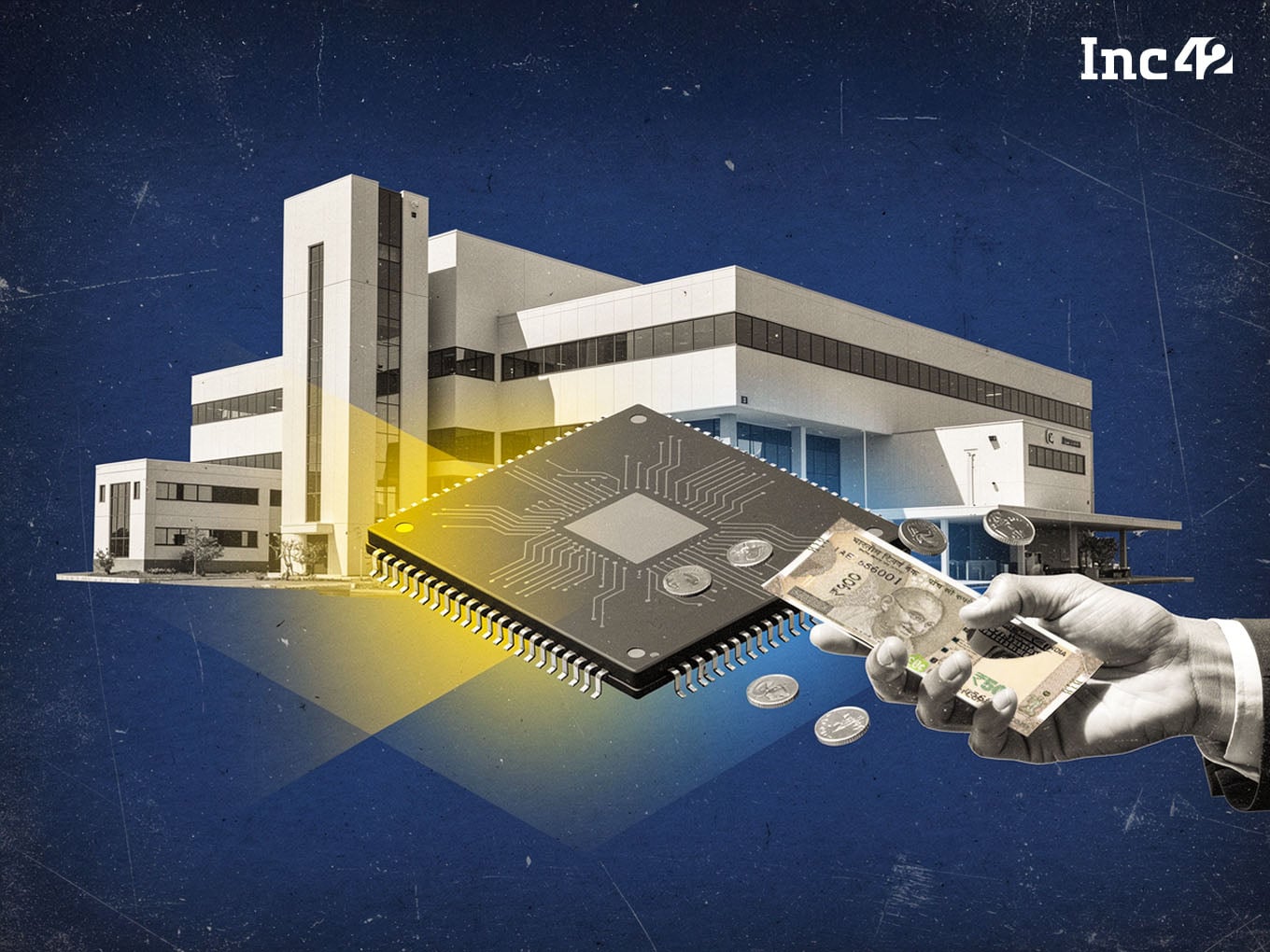
Marvell Commits $250 Mn to India Chip Expansion
Marvell Technology will invest $250 million in India over three years, doubling its workforce and expanding offices in Bengaluru and Hyderabad to advance AI and cloud chip design.
Key Takeaways
July 6, 2026 · 4 min read · By Rishabh Bhardwaj
·
AI-assisted, human-reviewed · Our editorial standards

More than 140 companies including Visa, Mastercard, Google, Coinbase, and BlackRock announced a new dollar-pegged stablecoin called Open USD on June 30, 2026. The coin is governed by an independent body called Open Standard, whose board is made up of partner companies rather than a single corporate owner. A launch is expected later in 2026, though no specific date has been given.
Open USD is designed to fix three pain points that businesses consistently raise about existing stablecoins. First, minting and redeeming stablecoins at scale is expensive under current systems. Open USD removes fees entirely and lifts volume caps, so businesses can convert in and out of the token at any size without cost. Second, the interest earned on the reserves backing the coin goes back to partner companies, minus a management fee that covers Open Standard's operating costs. Under most stablecoin models today, that reserve income stays with the issuer. Third, governance is shared: partners sit on the board and have input into the product roadmap, rather than taking direction from a single issuer.
The partner list is unusually broad. Payments networks include Visa, Mastercard, American Express, Discover, Stripe, Adyen, Klarna, and Checkout.com. Banks include BlackRock, BNY, Standard Chartered, DBS, U.S. Bank, BBVA, and Commonwealth Bank of Australia. Tech and commerce platforms include Google, Samsung Electronics, IBM, Shopify, Mercado Libre, DoorDash, and Grab. Crypto-native firms include Coinbase, Ripple, Solana, Bybit, OKX, Gemini, MetaMask, and Fireblocks.
The announcement references a16z's 2025 State of Crypto report, which found stablecoin transaction volume is approaching that of the ACH payment network in the United States. That comparison matters because it signals stablecoins are moving from speculative instruments toward everyday settlement infrastructure, which is precisely what this coalition is trying to formalize. By pooling governance and stripping out minting fees, Open USD is positioning itself as a neutral shared rail rather than a proprietary product controlled by any one company.
The reserve asset composition, regulatory approval status, and initial integration partners have not been disclosed. Interested businesses have been directed to contact Open Standard directly.
India's official position on stablecoins is split, and that split matters for how Open USD lands in one of the world's largest digital payments markets.
Reserve Bank of India Deputy Governor T. Rabi Sankar stated in December 2025 that stablecoins offer no meaningful benefit to the financial system, arguing that India's own UPI and CBDC corridors can do everything stablecoins can, and do it without the risks. He warned that widespread stablecoin adoption could weaken monetary policy transmission, complicate capital controls, and increase banks' dependence on central bank liquidity. He also noted that reserve income earned by stablecoin issuers effectively diverts seigniorage, meaning revenue that would normally flow to the state, away from the government. Open USD's model of returning that income to partners rather than keeping it centrally is structurally different, but it does not resolve the RBI's broader concerns about private money fragmenting currency unity.
RBI Governor Sanjay Malhotra has reinforced this line, saying India does not need to react to stablecoin developments abroad given the strength of UPI, NEFT, and RTGS as domestic payment infrastructure.
Against that, India's Economic Survey 2025-2026 signaled government openness to a stablecoin regulatory framework, creating a visible gap between the finance ministry and the central bank. That disagreement has already delayed the release of a comprehensive crypto policy paper meant to address stablecoins directly.
The practical result is that several consortium members, including banks and payment firms with active Indian operations or clear ambitions in the market, face an uncertain path. Open USD is a dollar-denominated token, which raises additional sensitivity around capital flow management in India. Until New Delhi resolves its internal standoff and the RBI's CBDC push either gains traction or loses political priority, coalition-backed dollar stablecoins will find the Indian regulatory environment difficult to navigate. The story to watch is not just whether Open USD launches globally, but whether the Indian government moves toward a licensing framework before this new generation of institutional stablecoins forces the question.
Marvell Technology will invest $250 million in India over three years, doubling its workforce and expanding offices in Bengaluru and Hyderabad to advance AI and cloud chip design.
Microsoft, Nvidia, SpaceX, and Palantir have joined the newly formed Open Secure AI Alliance alongside dozens of U.S. and European tech companies. The group aims to set shared AI security standards as fallout from a cyber attack on OpenAI pushes the industry toward coordinated defenses.
Skyroot Aerospace's Vikram-1 became India's first privately built rocket to reach orbit, making India only the third country after the US and China with a private orbital launch capability.
India has approved a ₹1.25 lakh crore ISM 2.0 that replaces the earlier grant-only model with a grant-plus-equity structure, co-investing alongside private venture capital in fabless chip design startups.