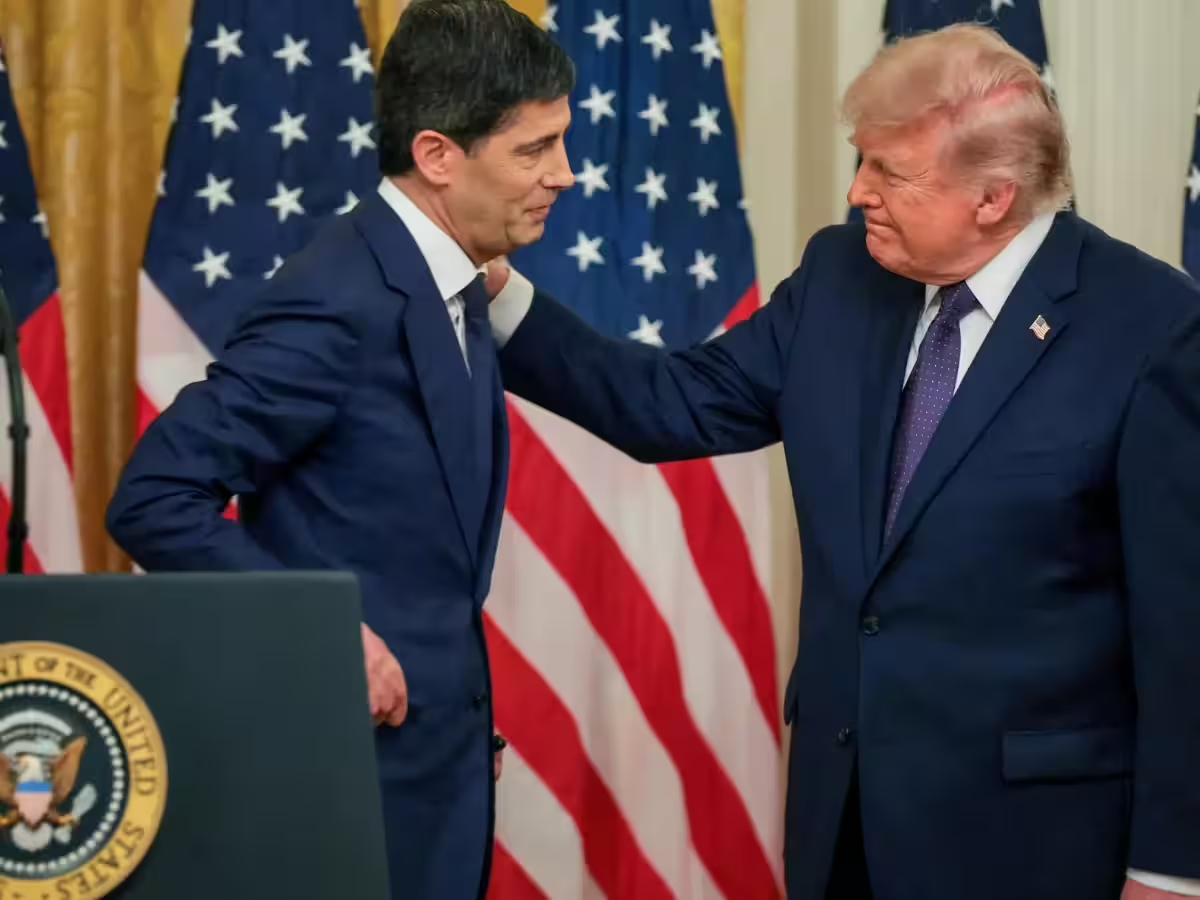
President Donald Trump has voiced support for Federal Reserve Chair Kevin Warsh even as the two remain at odds over interest rate policy, a tension that is now rippling through financial markets ahead of the Fed's September meeting.
The Federal Reserve held rates steady at its most recent policy meeting, but the decision was not unanimous in spirit. Several members of the Federal Open Market Committee, the Fed's rate-setting body, pushed for a rate increase, citing persistent inflation concerns. That internal divide marks a meaningful shift in tone from earlier in the year, when the debate centered on how quickly to cut rates rather than whether to raise them.
Warsh, who leads the Fed, has maintained a cautious stance on easing monetary policy, resisting pressure from Trump to cut borrowing costs. Trump has repeatedly called for lower rates to support economic growth, putting him on a public collision course with the institution he helped shape by backing Warsh for the top job. The president's decision to publicly endorse Warsh despite this friction suggests he is betting on Warsh's long-term credibility over short-term rate relief.
Why the Fed's Hawkish Turn Matters
A central bank leaning toward rate hikes, rather than cuts, changes the calculus for borrowers, businesses, and investors across the board. Higher rates make mortgages, car loans, and corporate debt more expensive. They also tend to strengthen the dollar, which can squeeze earnings for US multinationals and pressure emerging market economies that borrow in dollars.
For equity markets, the shift is particularly sharp. Much of the stock market's valuation over the past two years has rested on the assumption that the Fed would move steadily toward easier policy. A credible threat of a September rate hike forces investors to reprice that assumption, particularly in rate-sensitive sectors like real estate, utilities, and growth-oriented technology stocks.
Financial markets are now pricing in a meaningful probability of a rate increase at the September FOMC meeting. That repricing alone can tighten financial conditions even before the Fed moves, because bond yields rise and credit spreads widen in anticipation. In effect, the market does part of the Fed's work for it.
What to Watch Before September
The path to a September hike is not locked in. Incoming inflation data and employment figures between now and the meeting will carry significant weight. If price pressures show signs of cooling, the FOMC hawks may soften. If inflation stays elevated or ticks higher, the case for a hike hardens quickly.
The Trump-Warsh dynamic also bears watching. Presidential pressure on the Fed is not new, but open conflict between the White House and the central bank tends to unsettle bond markets, which depend on confidence in the Fed's independence. So far, Trump's public backing of Warsh, even while disagreeing with him, has helped contain that risk. Whether that political equilibrium holds through a potential rate hike is an open question.
For investors, the immediate priority is clarity on whether the September meeting is truly live for a hike or whether Fed communication in coming weeks walks back the hawkish signal. Until then, rate-sensitive assets face continued pressure, and the dollar may stay firm, adding another layer of complexity for global markets already navigating a fragile macro backdrop.