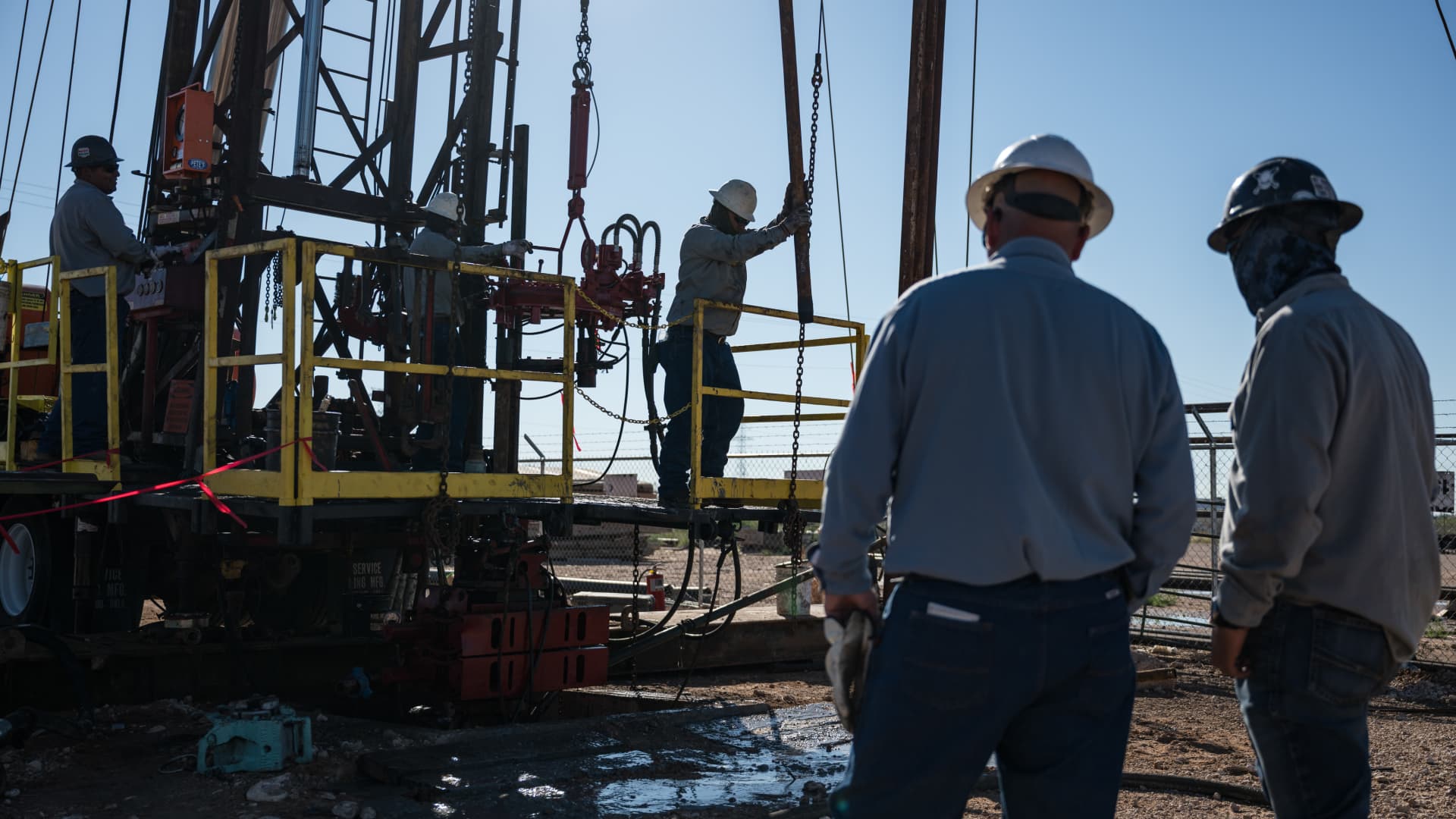
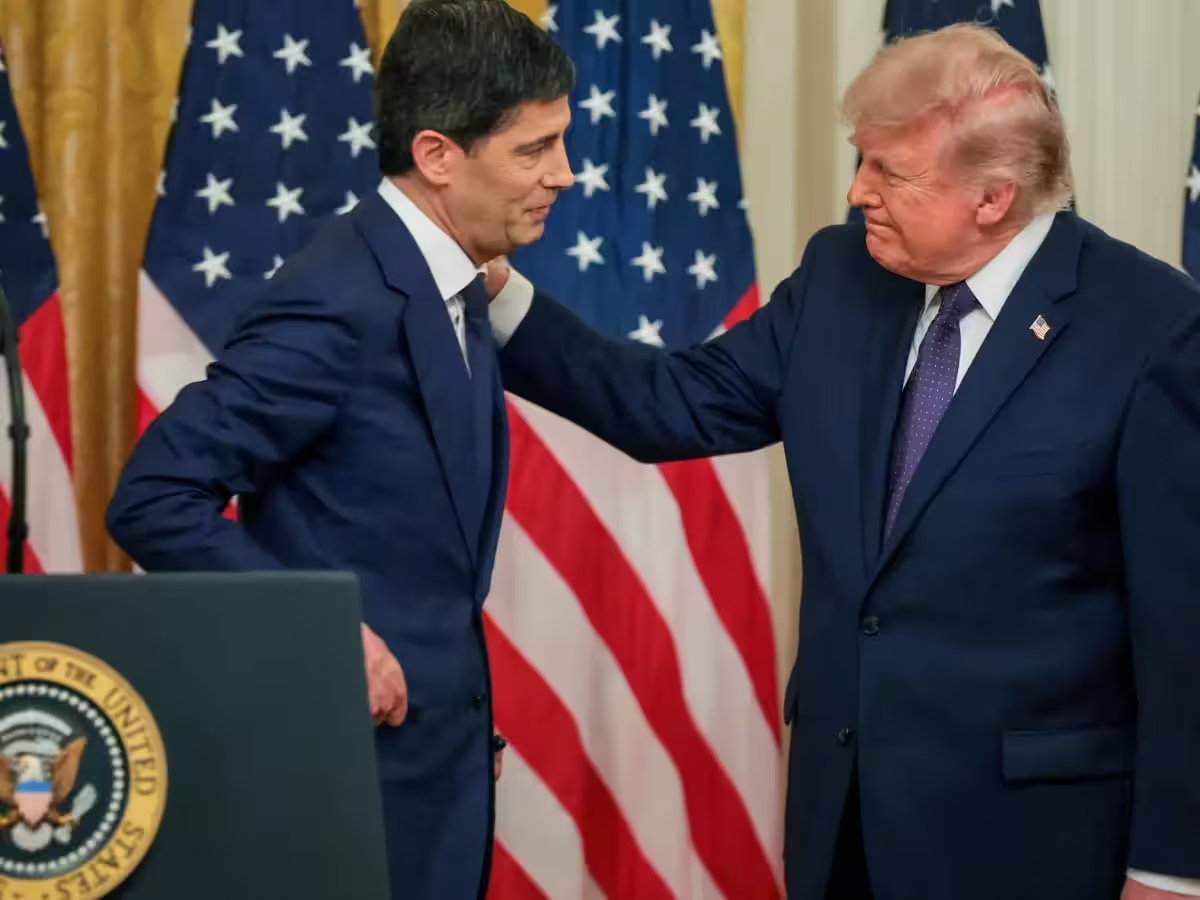
Oil prices dropped more than 4% on Monday after President Donald Trump announced he had called off a planned military strike on Iran, removing the geopolitical risk premium that had been built into energy markets.
The move caught traders off guard. When the threat of a U.S. strike on Iran appeared real, oil markets responded predictably: prices rose to reflect the risk of supply disruption from one of the world's major producing regions. Once Trump walked that threat back, the same logic worked in reverse, and the premium unwound quickly.
Why the Iran premium matters to oil markets
Iran sits among the top oil-producing nations globally, and any credible threat to its output or to shipping through the Strait of Hormuz, a narrow waterway through which roughly a fifth of the world's oil flows, puts upward pressure on crude prices. Traders had priced in that risk. Trump's announcement that no strike would happen gave them reason to price it back out.
A move of more than 4% in a single session is significant for crude oil. It reflects not just the immediate news but also the speed at which algorithmic and institutional traders reposition when a clear geopolitical signal shifts direction. Monday's drop was a direct expression of that dynamic.
What changes next
The key question for markets now is whether this is a durable de-escalation or a pause. Trump's decision removes the immediate military threat, but the underlying tensions between Washington and Tehran, including disputes over Iran's nuclear program and regional influence, have not been resolved. If diplomatic conditions deteriorate again or new threats emerge, the risk premium could return just as fast as it left.
For now, oil traders will watch for any follow-up statements from the White House or Iranian officials that signal whether negotiations are progressing or stalling. A clear diplomatic track would likely keep the risk premium suppressed. A breakdown in talks or a provocative action by either side could push prices back up sharply.
Beyond Iran, broader oil market dynamics, including OPEC+ production decisions, global demand signals from China and the U.S., and inventory data, will re-emerge as the dominant pricing factors now that the acute geopolitical noise has quieted. Monday's drop effectively resets the baseline, stripping out what was a fear-driven markup.
For consumers, a sustained fall in crude prices would eventually feed through to fuel costs, though the transmission takes weeks and depends on refining margins and local taxes. For energy companies, lower oil prices compress margins, particularly for producers with higher break-even costs. Investors in energy equities will be recalibrating exposure after a session that moved the sector meaningfully.
The episode is a clean illustration of how quickly geopolitical risk gets priced in and out of commodity markets. Oil did not fall because supply actually increased or demand fell. It fell because a feared disruption did not materialize, and markets adjusted to reflect the world as it is rather than the worst-case version they had been hedging against.