
Qatar Signals Progress in US-Iran War Talks
Qatar's foreign ministry said mediators including Qatar, Pakistan, and Oman have reached "very progressive stages" in efforts to end the US-Iran war, pushing Brent crude down more than four percent.
Key Takeaways
May 8, 2026 · 2 min read · By Rishabh Bhardwaj
·
AI-assisted, human-reviewed · Our editorial standards
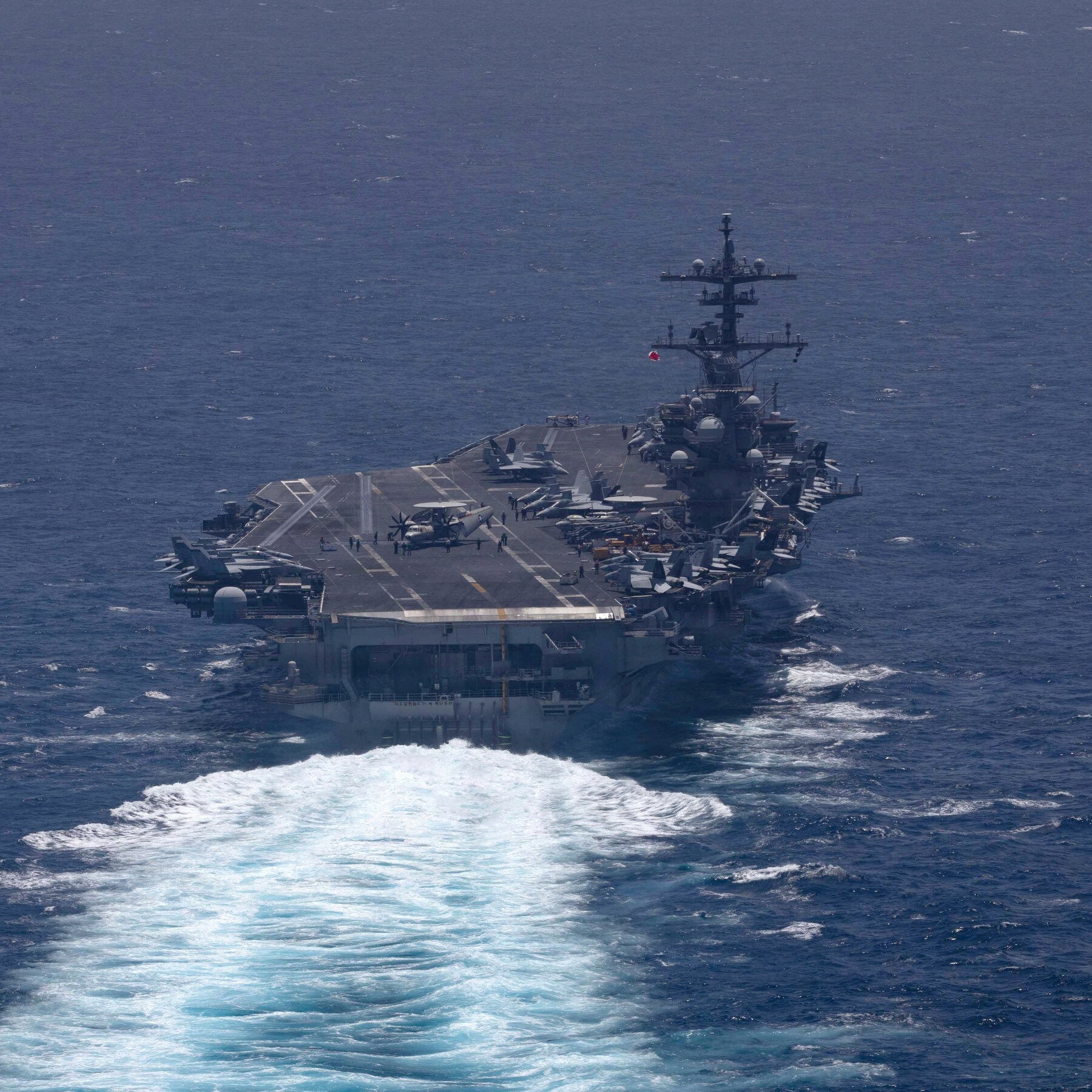
U.S. and Iranian forces have exchanged military strikes, raising fresh fears that a fragile cease-fire in the region could collapse and that the Strait of Hormuz, one of the world's most critical oil shipping lanes, could become a flashpoint.
Roughly 20 percent of global oil supply passes through the Strait of Hormuz, the narrow waterway between Iran and the Arabian Peninsula. Any sustained military confrontation there can disrupt tanker traffic, push oil prices sharply higher, and ripple through energy markets worldwide. The strait has long been a pressure point Iran uses in standoffs with the West.
The exchange of strikes marks a significant escalation. Both sides appear to be testing the boundaries of the current cease-fire rather than holding to it, which increases the risk that the truce breaks down entirely. A full breakdown would remove the diplomatic buffer that has kept the situation from becoming an open conflict.
The immediate market concern is oil. If tanker operators begin rerouting ships away from the strait, as they have during past Gulf crises, freight costs rise and global crude supply tightens. That feeds through to fuel prices for consumers and raises input costs for industries that depend on oil. Sanctions pressure on Iranian exports and any U.S. naval response would be the next signals to watch.
On the diplomatic side, the durability of the cease-fire now depends on whether either government signals it wants to pull back or press further. Any official statement from Tehran or Washington about the terms of the truce, or its status, will carry significant weight in the coming days.
For now, the situation remains fluid. The strikes have not yet produced a confirmed collapse of the cease-fire, but the direction of travel is toward higher tension, not lower.
Qatar's foreign ministry said mediators including Qatar, Pakistan, and Oman have reached "very progressive stages" in efforts to end the US-Iran war, pushing Brent crude down more than four percent.
Qatar confirmed it is mediating between the US and Iran but said no direct talks are currently planned. The clarification follows conflicting statements from President Trump, who claimed talks are under way, and Tehran, which denied any dialogue is happening.
Saudi Aramco reported sharply higher second-quarter 2026 profits as the Iran war restricts global oil supply and pushes crude prices up. Other oil supermajors also posted outsized earnings, raising concerns about sustained fuel cost pressure for importing economies.
President Trump called current Iran negotiations the "last chance" to end five months of conflict, pushing oil prices higher. Tehran denied formal talks are taking place, raising the risk of a diplomatic breakdown with direct consequences for global energy markets.