
Qatar Signals Progress in US-Iran War Talks
Qatar's foreign ministry said mediators including Qatar, Pakistan, and Oman have reached "very progressive stages" in efforts to end the US-Iran war, pushing Brent crude down more than four percent.
Key Takeaways
July 9, 2026 · 3 min read · By Rishabh Bhardwaj
·
AI-assisted, human-reviewed · Our editorial standards
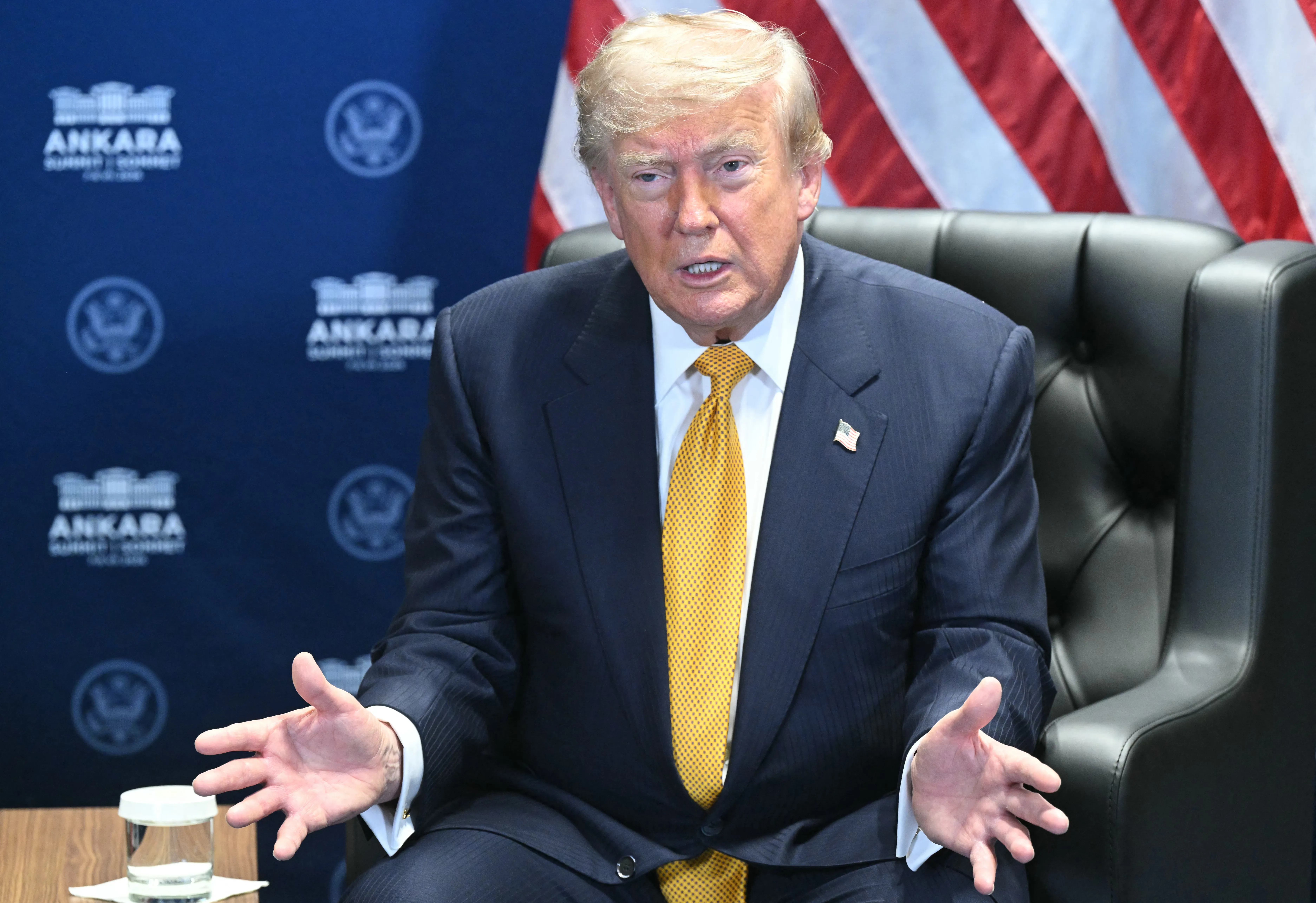
President Donald Trump declared the ceasefire with Iran "over" on Wednesday after Iran launched attacks against bases hosting US forces in Kuwait and Bahrain. Trump made the announcement at a NATO summit, sharply escalating the diplomatic and military stakes between Washington and Tehran.
The sequence of events marks a serious breakdown in what had been a fragile pause in US-Iran hostilities. Iran struck bases in Kuwait and Bahrain, both of which host significant American military personnel and equipment in the Gulf region. The attacks represent a direct strike on US force posture in the Middle East, crossing a threshold that previous Iranian actions had often skirted.
Trump chose the NATO summit as the setting for his declaration, a deliberate signal to allies that the United States considers the ceasefire formally terminated. Speaking from within the alliance's primary political forum amplifies the announcement beyond a bilateral dispute and puts NATO partners on notice that US military posture in the Gulf may shift.
The Gulf hosts some of the world's most critical oil shipping lanes, including the Strait of Hormuz, through which a large share of global crude oil exports pass. Any escalation between the US and Iran that threatens Gulf security tends to move energy markets quickly. A breakdown in ceasefire terms, combined with attacks on US bases in Kuwait and Bahrain, raises the risk of a broader military exchange that could disrupt shipping, drive up oil prices, and unsettle risk assets globally.
For US allies in the region, the attacks on Kuwait and Bahrain are particularly sensitive. Both countries host American forces partly as a deterrent against exactly this kind of Iranian action. The fact that Iran struck those locations suggests Tehran calculated that the strategic cost of restraint had become too high, or that it was responding to a prior trigger not yet fully disclosed in available reporting.
NATO members, already managing the alliance's focus on European security, now face pressure to respond to a US president who has publicly declared a ceasefire collapsed while standing at their summit. European allies with significant economic exposure to Gulf energy supply chains will be watching closely.
With Trump declaring the ceasefire over, the immediate question is whether the US responds militarily to the attacks on its bases in Kuwait and Bahrain, and at what scale. A proportional strike, a broader campaign, or a return to maximum-pressure sanctions are all on the table, though the source material does not specify which option the administration is pursuing.
Markets will likely reprice Gulf risk sharply in the near term. Oil, defense equities, and safe-haven assets such as gold and US Treasuries could all move as traders assess escalation probability. Airlines and shipping companies with Gulf exposure face operational uncertainty.
Diplomatic off-ramps remain possible but appear narrow. Iran's decision to strike US bases directly, and Trump's swift public declaration at a major multilateral forum, leave little room for quiet de-escalation without one side absorbing a visible loss of face. The coming hours and days will determine whether this is a controlled exchange or the start of a sustained military confrontation.
Qatar's foreign ministry said mediators including Qatar, Pakistan, and Oman have reached "very progressive stages" in efforts to end the US-Iran war, pushing Brent crude down more than four percent.
Qatar confirmed it is mediating between the US and Iran but said no direct talks are currently planned. The clarification follows conflicting statements from President Trump, who claimed talks are under way, and Tehran, which denied any dialogue is happening.
Saudi Aramco reported sharply higher second-quarter 2026 profits as the Iran war restricts global oil supply and pushes crude prices up. Other oil supermajors also posted outsized earnings, raising concerns about sustained fuel cost pressure for importing economies.
President Trump called current Iran negotiations the "last chance" to end five months of conflict, pushing oil prices higher. Tehran denied formal talks are taking place, raising the risk of a diplomatic breakdown with direct consequences for global energy markets.